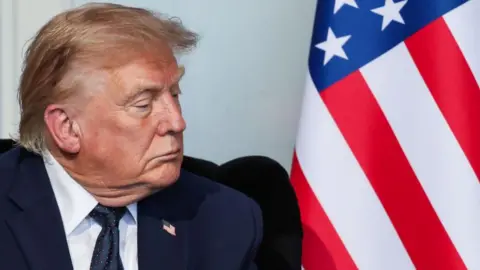
President Donald Trump is expected to sign an executive order that would expand access to cannabis, marking a significant shift in U.S. drug policy.
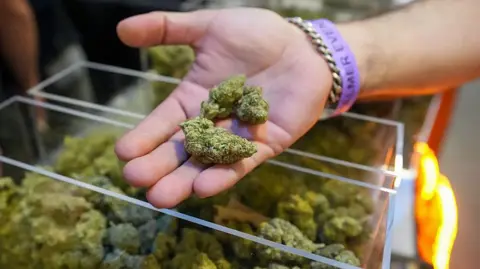
The order aims to change cannabis from a Schedule I narcotic to a Schedule III drug, thus placing it alongside substances like Tylenol with codeine. Although cannabis would remain illegal at the federal level, this reclassification would enable broader research opportunities into its potential benefits.
Some Republican lawmakers are voicing concerns about the potential normalization of cannabis use. The U.S. Drug Enforcement Agency notes that Schedule III narcotics like ketamine and anabolic steroids exhibit a moderate to low potential for dependence.
The executive order is anticipated soon, with implications extending to tax regulations for state-authorized cannabis dispensaries, which are currently limited in their tax deduction options.
Reports also suggest that a pilot program may reimburse older Americans for cannabidiol (CBD) related to conditions like cancer treatment. With a majority of states approving some form of cannabis for medical use and 24 states allowing recreational use, this move by Trump could symbolize a transformative moment in American drug policy.
The announcement comes after Trump acknowledged the need for reclassification due to extensive research opportunities hindered by the current policy. In previous statements, he advocated for ending arrests related to small possession offenses and supported regulations to ensure access to safe products.
However, opposition from a group of 22 Republican Senators highlights lingering worries about cannabis' health impact and its potential to obstruct economic revitalization. Polls indicate a growing public support for legalization, yet the political landscape remains divided.
In Trump's previous engagement with drug policy, he expressed a desire for new regulations favoring adults to access cannabis for personal use safely. As the discourse around cannabis continues to evolve, this executive order could pave the way for a reevaluation of intricacies surrounding its legality in the U.S.