In brief
President Trump recently announced a massive diesel import deal with Russia and touted an energy cease‑fire in the Ukraine war, hoping to lower fuel prices just before the midterm elections. The policy has met fierce criticism from legislators, the international community and climate experts who say that importing more fossil fuel and hoping for a cease‑fire will do little to curb emissions or aid the global move toward clean energy. The diesel agreement, which could bring hundreds of millions of tonnes of fuel to the US, comes at a time when farmers and commuters already feel the burden of high fuel costs and the climate emergency remains urgent. In addition, the cease‑fire claim was refuted by Ukrainian President Zelensky, who highlighted continued Russian attacks on power infrastructure, underscoring how geopolitical actions can destabilise energy markets and stall sustainable initiatives. As the nation heads to the polls, the debate shows how short‑term political moves may be at odds with long‑term climate goals.
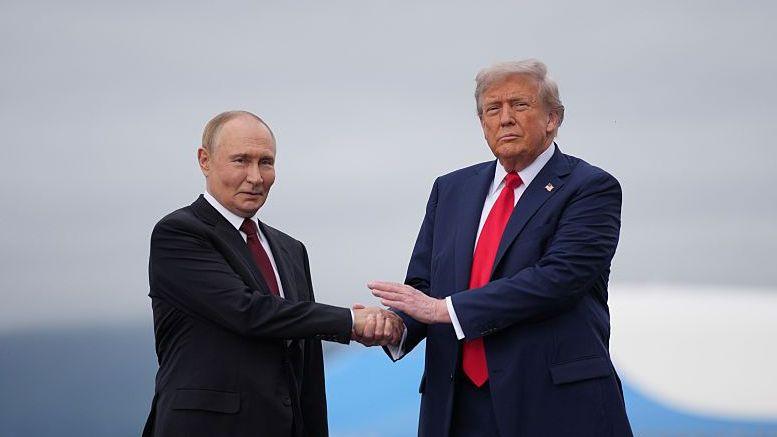
In a move that shines a spotlight on the intersection of politics and climate, President Donald Trump announced on Thursday a deal that will bring hundreds of millions of tonnes of Russian diesel into the United States in the coming months. The announcement was paired with a claim of an “energy cease‑fire” in the Ukrainian war, an assertion that has been met with skepticism from Kyiv, legislators and environmental observers alike.
High diesel prices have become a flashpoint for U.S. voters, especially in the Midwest where farmers rely on fuel for machinery and transport. Trump’s briefing on Truth Social promised “lower prices for Americans,” but the agreement has already been criticized for potentially fuelling Russia’s war efforts and providing no counter‑measure to the rapid rise in global emissions.
Critics point out that diesel accounts for roughly one‑tenth of U.S. greenhouse‑gas emissions. Importing additional fuel at a time when the country’s clean‑energy targets are lagging makes the deal seemingly counter‑productive to climate ambition. Senators across party lines have called on the President to halt the imports, citing congressional bans on Russian energy that were specifically designed to prevent capitalizing war crimes.
Meanwhile, Ukrainian President Volodymyr Zelensky dismissed Trump’s announcement as a political stunt, stating that Russia was continuing attacks on power infrastructure even after the purported cease‑fire. The continued violence has already strained global energy supplies, pushing gasoline prices higher and reinforcing the urgency of reliable, climate‑friendly alternatives.
With midterm elections on the horizon, Trump’s strategy illustrates how the quest for short‑term political advantage can clash with the long‑term imperative to transition to sustainable fuels. The climate community is urging a shift toward renewable energy, electric vehicles and carbon capture technologies, arguing that a durable solution must look beyond temporary policy moves that weaken global carbon‑reduction efforts.