President Trump is stepping up his long‑running campaign to restrict who can acquire U.S. citizenship at birth.
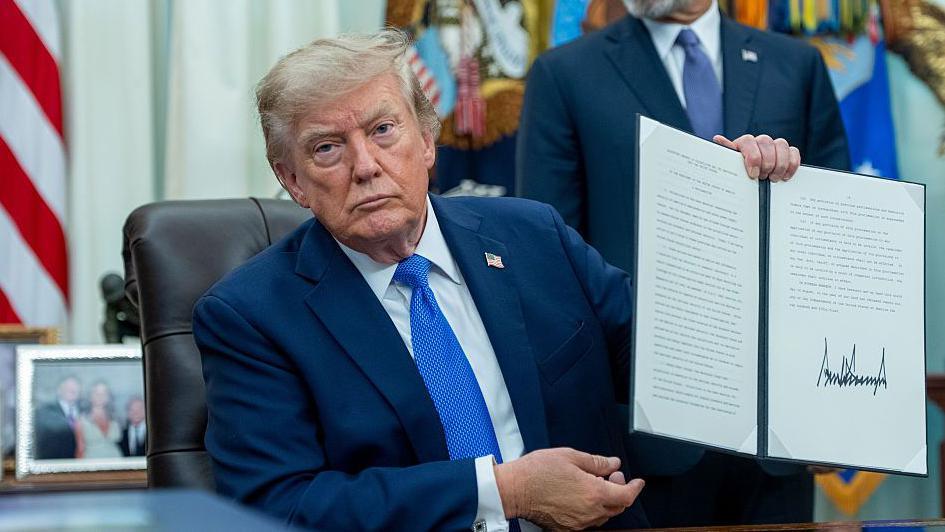
In a Thursday announcement from the Oval Office, he signed two executive orders that broaden the definition of non‑citizen parents who cannot automatically confer citizenship to newborns. The first order says that children born to two parents who are not U.S. citizens—and where one parent is a foreign terrorist, a foreign government employee, has fraudulently tried to obtain citizenship, or lives in U.S. territories where citizenship isn’t automatic—are excluded from automatic citizenship.
The second order tackles “birth tourism,” the practice of pregnant women travelling to the United States with the intent of giving birth so their children become U.S. citizens. “This should have happened years ago, but we’re finally taking care of it now,” Trump said, criticising the Supreme Court’s recent reversal of his earlier attempt to abolish the policy.
Legal observers note that while the president has discretion to limit who can enter the U.S. for the purpose of giving birth, citizenship laws are constitutionally protected. Professor Gabriel Chin of UC Davis School of Law warned that the orders could face constitutional challenges: “Once a child is born in the United States, he or she is a citizen; the president cannot later deny that.”
Data from the Migration Policy Institute identifies about 22,000 to 26,000 births each year that might be linked to birth tourism, with official records showing 9,600 births to mothers with foreign addresses in 2024.
Trump’s administration has repeatedly accused adversaries such as Russia and China of exploiting birthright citizenship to infiltrate the U.S. “We are guarding against the risks posed by malign foreign actors who try to take advantage of the generosity of our nation,” the administration said in the signing of the orders.