US‑China Summit – A Glimpse of Climate‑Friendly Economics and AI Oversight
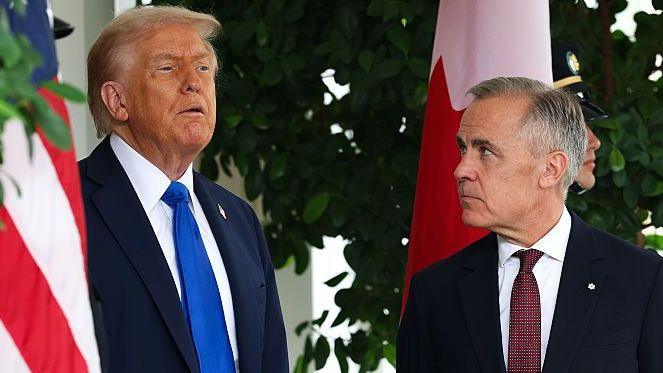
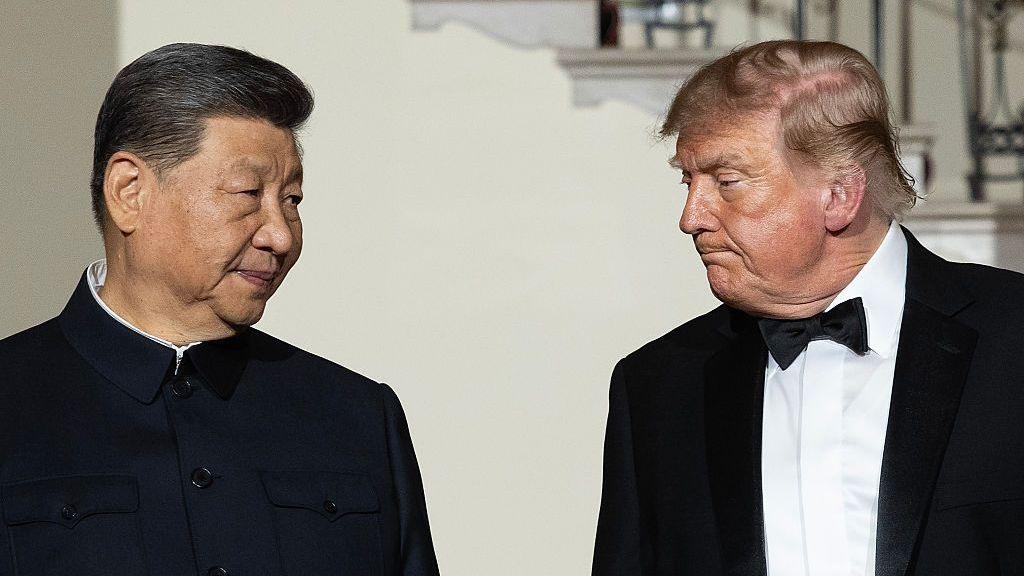
White House and Beijing leaders met in Washington on Monday, leaving a quiet record of discussion but a handful of tangible outcomes that may shape global supply chains and technology governance. While no joint communiqué was released, the talks achieved a few modest, climate‑relevant breakthroughs.
AI Governance: A New Dialogue
China and the U.S. agreed to a new AI dialogue, with a follow‑up planned for late November. The move signals a rare recognition of the need for clear communication around artificial intelligence — the same technology that powers carbon‑tracking tools, autonomous electric‑vehicle fleets and smart‑grid management. Both sides acknowledged the importance of guardrails to avoid miscalculations that could trigger broader conflicts.
Trade Truce Extended, but Only for a Limited Period
The two nations extended their trade truce until 10 January, a temporary pause that coincides with major international summits later this year. Imports worth $30 billion from China to the U.S. enjoyed lower tariffs, a move that could ease pressure on environmentally friendly product lines — from solar‑panel enclosures to electric‑vehicle components — shipped between the blocs.
Foreign Investment Doors Opened, Still Determined by Regulation
China announced it would permit more foreign financial firms, including U.S. banks and insurers, to apply for operations in China. Though regulatory approval remains pending, the announcement may facilitate funding for green‑energy projects and cross‑border climate partnerships.
Taiwan – A Silent Issue
While the U.S. did not mention Taiwan in its affirmations, Beijing urged Washington to recognize the island’s security as part of its broader national interests. The brief silence over Taiwan has implications for the greentech supply chain, as the island is a leading semiconductor manufacturer essential to clean‑energy devices.
What This Means for Climate Tech and Sustainable Futures
The summit’s limited concrete outcomes underscore the challenge of aligning the two economic giants on high‑tech and environmental matters. However, the new AI channel and the trade easing on certain goods could pave the way for more coordinated action on carbon‑emission reductions, shared research, and the exchange of green technology. Stronger communication lines may prove more decisive than any single policy swap in steering the global economy toward sustainable resilience.