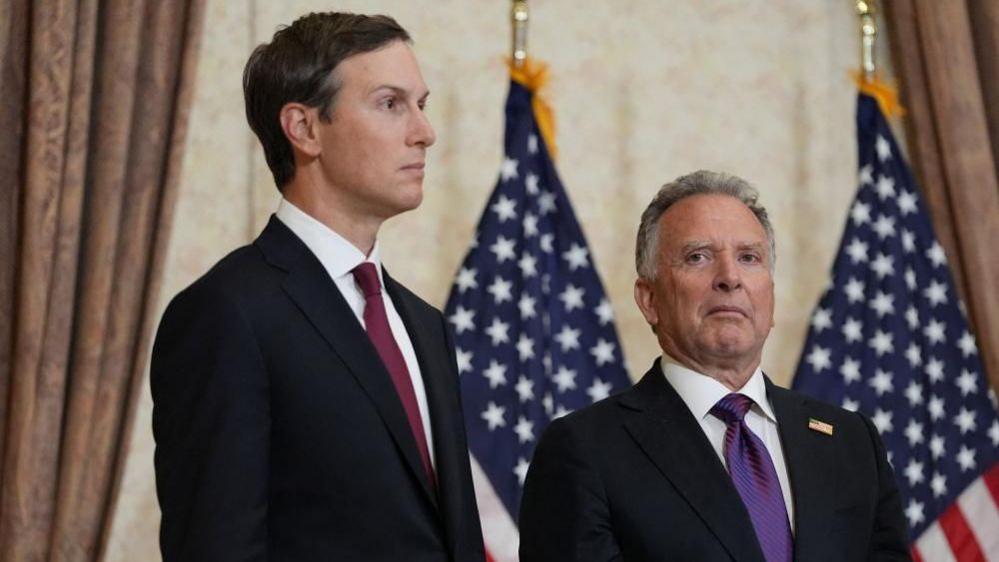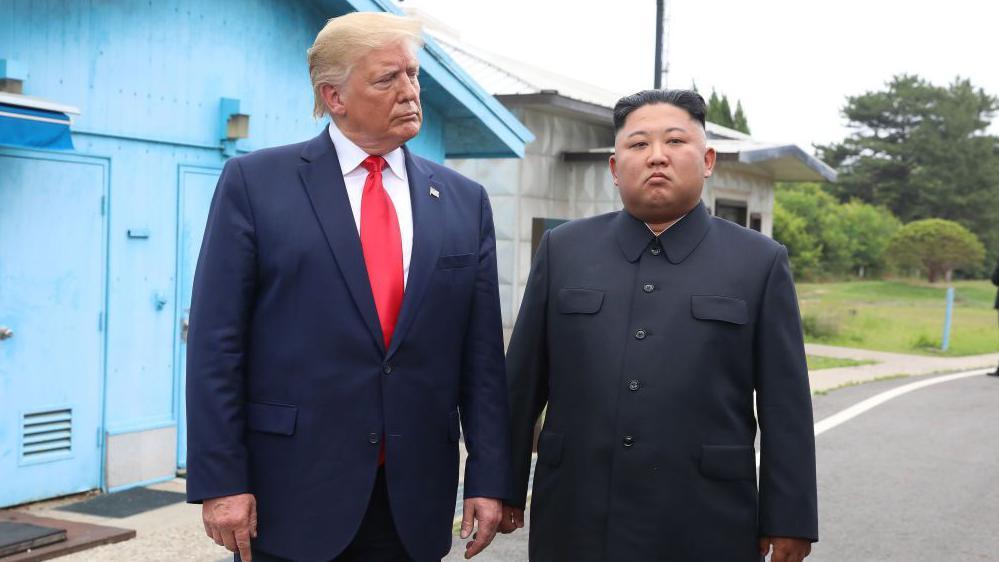
President Donald Trump has announced that the United States will substantially reduce joint military exercises with South Korea.
He said the decision stems from a better relationship with North Korean leader Kim Jong Un and a critique of South Korea’s reluctance to assist in a new “de‑nuclearisation” effort in Iran, which the United States views as a security partner.
Beyond the diplomatic angle, the announcement has environmental implications. Large-scale military drills consume enormous amounts of aviation fuel, generate high levels of greenhouse‑gas emissions, and strain local infrastructure. By scaling back the exercises, the U.S. could cut a significant carbon footprint in the Korean Peninsula—a region already under pressure from industrial pollution and climate‑related extreme weather.
Defense analysts warn, however, that reducing joint training compromises readiness. The U.S. forces stationed in Korea are part of a deterrence strategy against potential North Korean aggression and are crucial for rapid response in the event of regional escalation, especially now that North Korea has launched new ballistic missiles banned by the United Nations.
South Korea has indicated that it will continue to discuss the structure of these exercises and the broader security calculus. While it stresses the importance of cooperative defense, it notes ongoing works to increase its own military autonomy and reduce reliance on U.S. forces.
The U.S. decision echoes Trump’s earlier moves—suspending drills in 2018 and scaling them back during the Covid‑19 pandemic in 2020. The pattern suggests a policy shift that balances fiscal and environmental concerns against strategic deterrence.
In a broader perspective, the potential environmental gains of fewer military exercises in the Korean region could serve as a precedent for defense‑related carbon reduction initiatives worldwide.