In brief
The Almería province was scorched by deadly wildfires that killed 13 people, nine of whom were foreign nationals. Seven British victims accounted for a large portion of the casualties, a stark reminder of how climate‑driven events transcend borders. Survivors recount desperate escapes in abandoned cars while locals suffered significant losses. Spain’s recurrent heatwaves point to the pressing need for stronger prevention and adaptation strategies.
Seven Britons among those killed in Spain wildfires
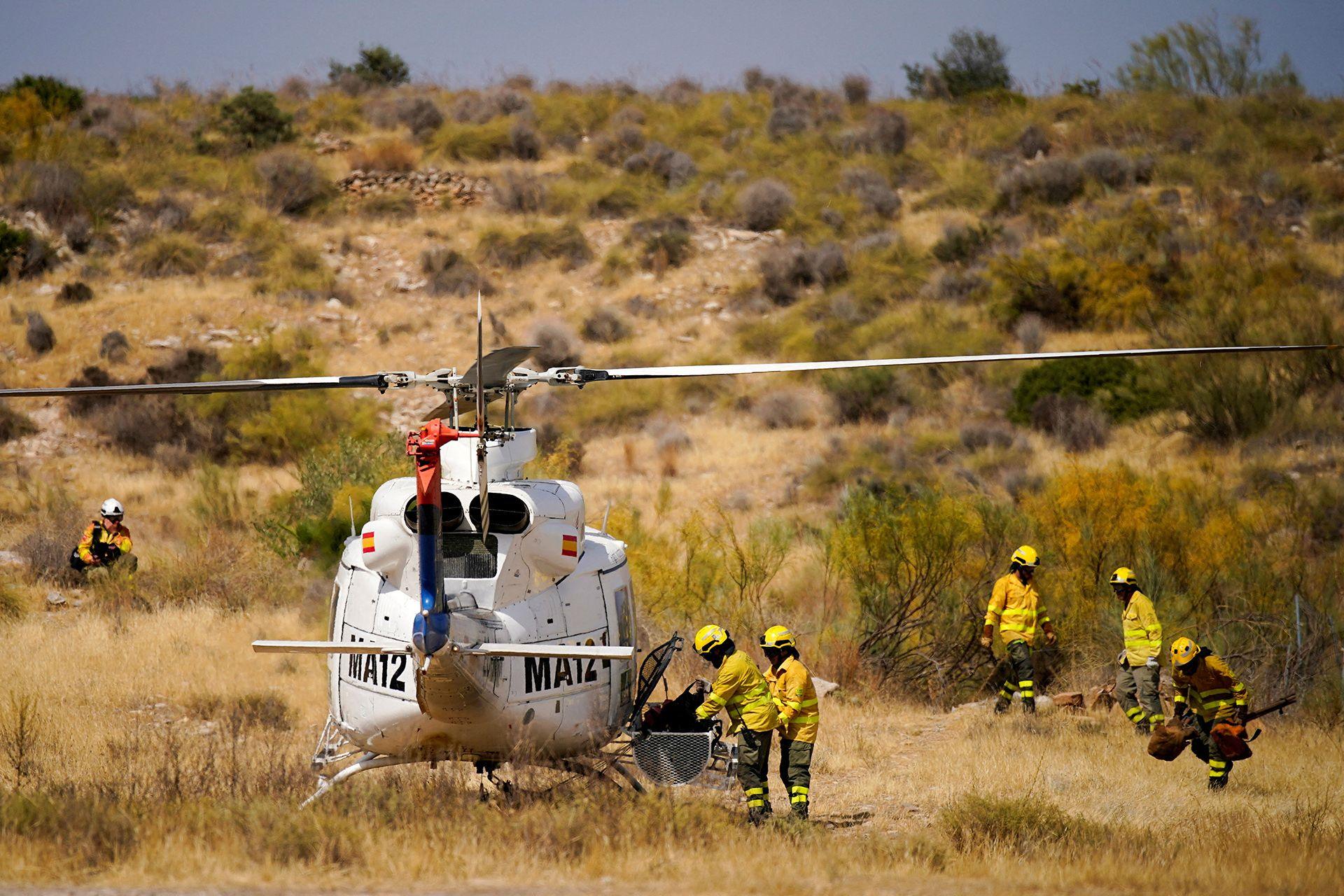
Spain’s Almería province has been hit by one of its deadliest wildfire events, claiming 13 victims, with a striking number of foreign nationals. Authorities confirmed that seven of the deceased were British citizens, followed by three Belgians, one French, one American, and a lone Spanish resident.
The victims included eight women and five men, all adults. Among the British victims were Pete and Fran Gillam from Bédar, whose tragic deaths were reported by their family via social media.
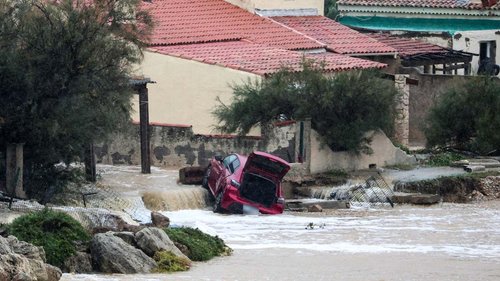
In the chaotic fire, nearly 1,500 people were evacuated from Almería. Survivors recounted fleeing car by car; one 70‑year‑old Briton, Malcolm Timbrell, survived by finding refuge inside one of the last cars that held out against the flames.
Spain’s pattern of long, hot summer periods has been intensified by climate change, with temperatures frequently surpassing 40 °C. The fire lasted until containment was achieved, having scorched roughly 7,000 hectares (17,300 acres) of land.
Implications & Call to Action
The heavy toll—especially among foreign nationals—highlights the increasingly global impact of climate‑driven disasters. Local and national authorities are urged to strengthen emergency preparedness, invest in early‑warning systems, and foster cross‑border cooperation to mitigate future events.
Images sourced from BBC News.