Mass Protests Movements Demanding Removal of Undocumented Migrants
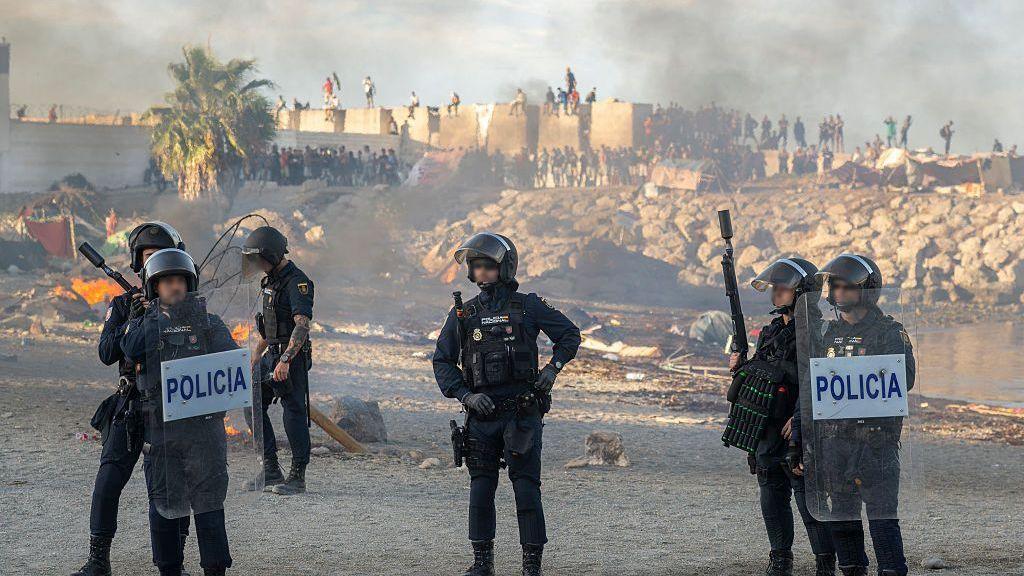
In a wave of coordinated marches that swept Jakarta, Durban, Johannesburg, and other South African urban centres over the weekend of 28‑29 June, thousands of demonstrators demanded that all undocumented migrants leave the country by a deadline set by anti‑migrant groups. Police forces, reinforced by private security guards, deployed a heavy presence to prevent the protests from turning violent. The protests were largely peaceful, though isolated incidents of looting and vandalism were reported.
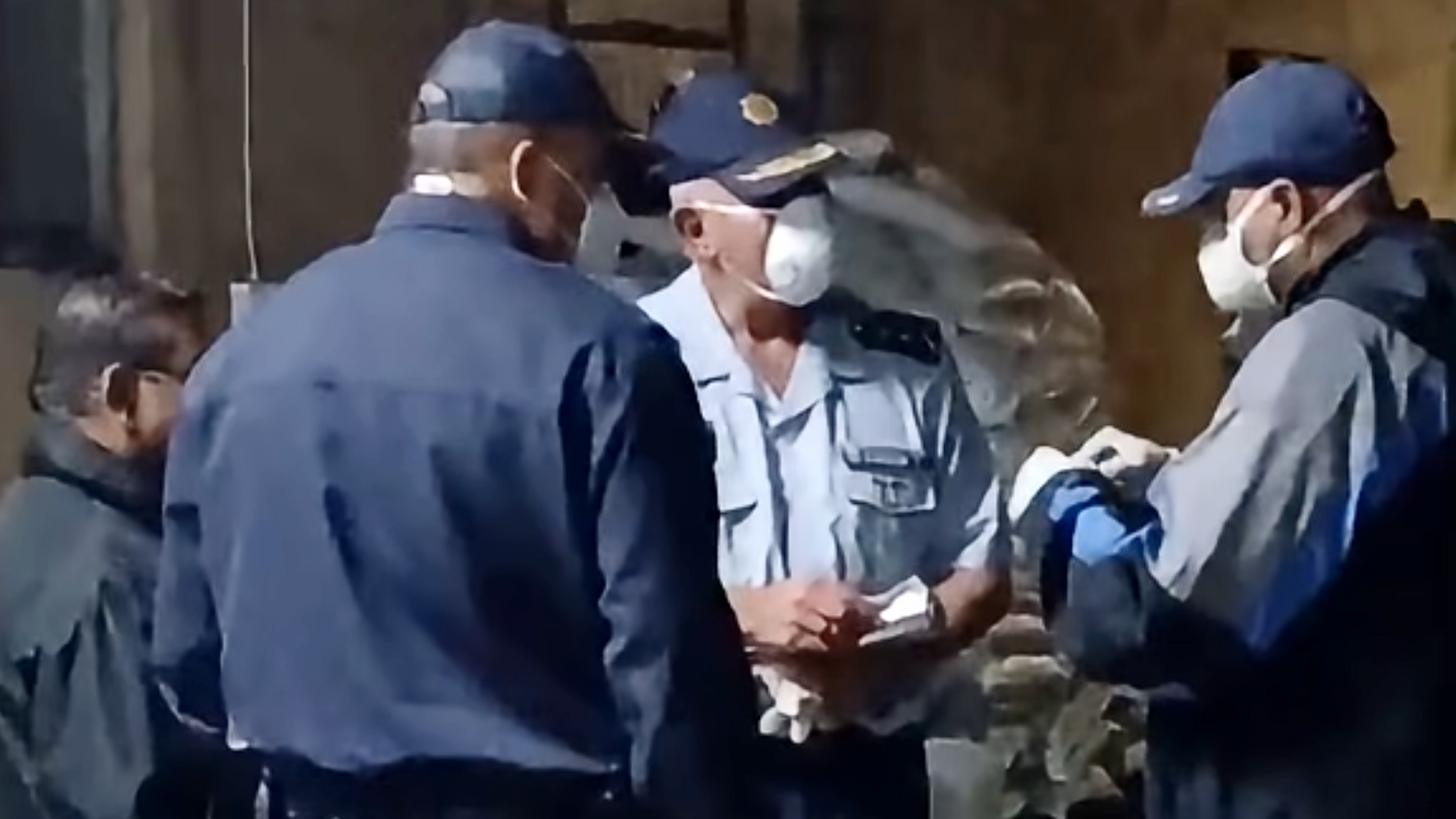
Police Minister Firoz Cachalia announced that the army had been called in on a contingency basis for parts of Johannesburg and Durban. In some suburbs with high migrant populations, such as Hillbrow, three individuals were arrested after a confrontation that escalated to the use of fire. In Germiston, residents accused of being foreign nationals were ejected from homes and handed over to police officers for documentation checks.
The government has already repatriated about 25,000 undocumented migrants, mainly from other African countries, and an additional 7,000 Malawians have been cleared from transit camps in Durban. Former President Cyril Ramaphosa met protest leaders the night before the marches, urging civilians to act peacefully while acknowledging the urgent need for immigration reform.
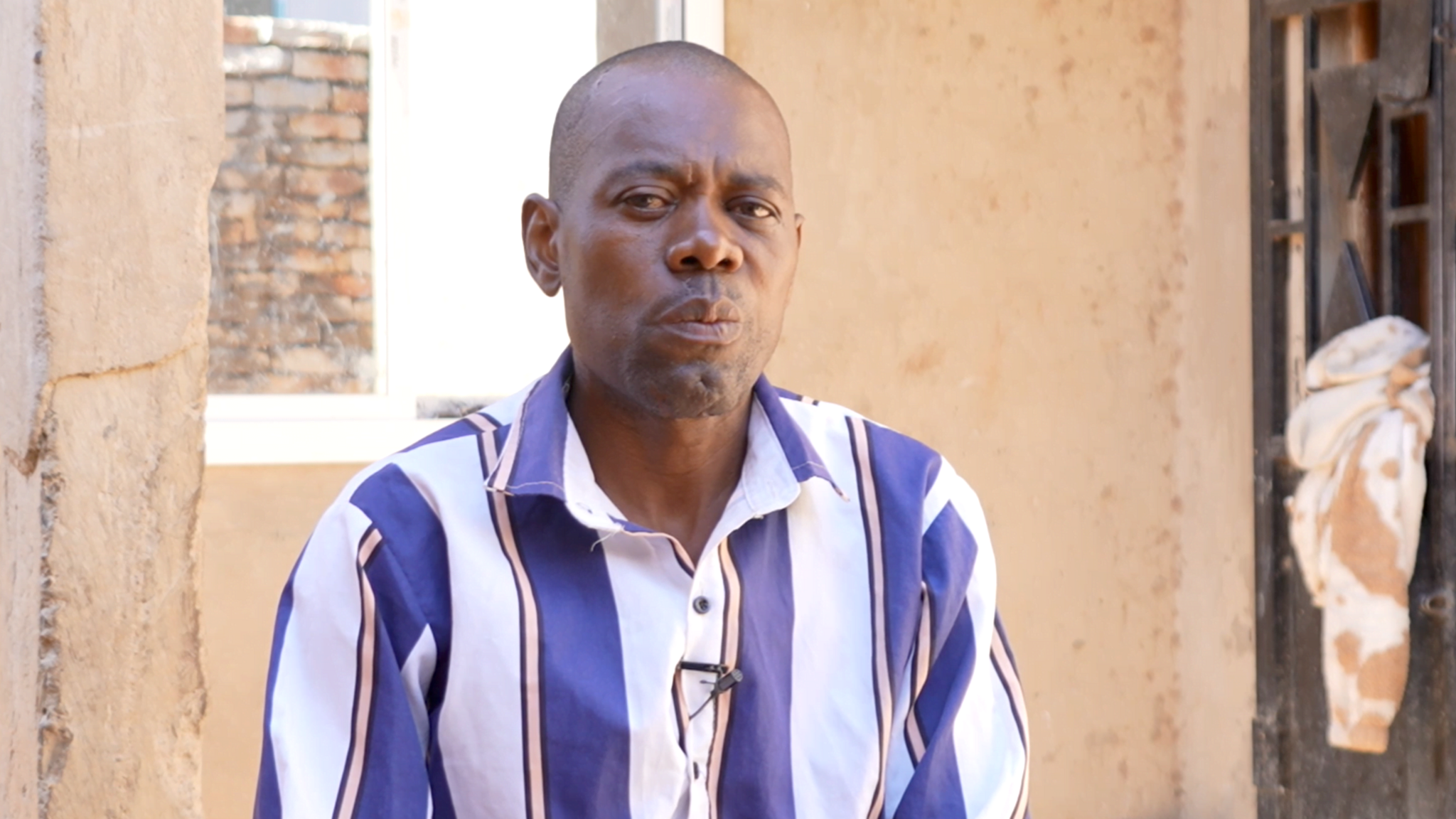
'We work, study, raise families and invest in our economy,' a migrant spokesperson said, emphasising that many are lawfully registered citizens. The protests, however, threaten to exacerbate divisive xenophobic sentiments, with at least two people reportedly killed earlier in the year.
Migrants, many stranded in neighbouring Mozambique and unable to travel north to Malawi, faced additional hardships without transport or shelter. The anti‑migrant groups, including March and March and Operation Dudula, pledged to continue weekly demonstrations for the next six months to press for policy action. As the protests continue, the international community watches for the balance between human‑rights protections and addressing economic labour demands in South Africa.