Thailand’s Gun Crisis: A Threat to Sustainable Futures
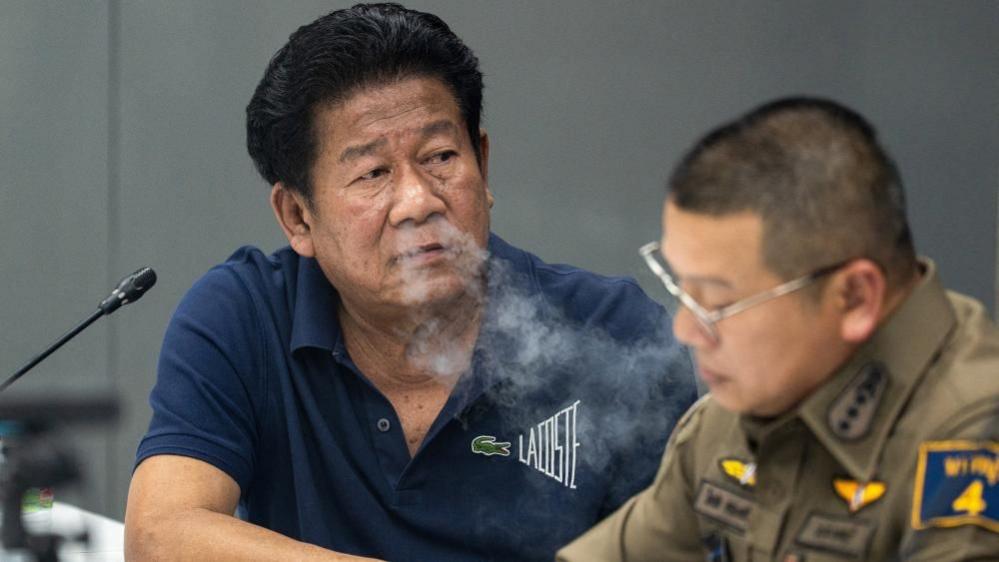
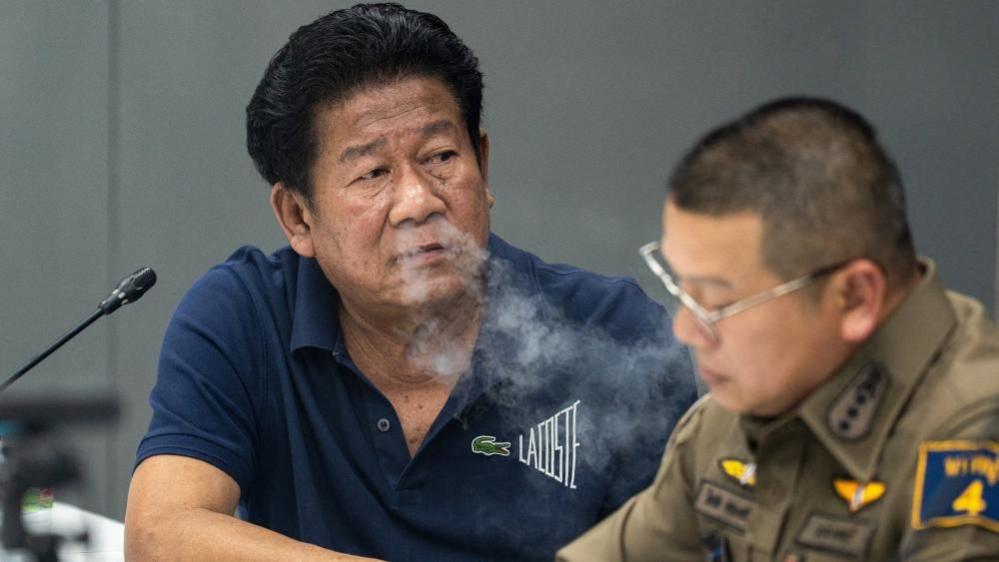
Three days after a 14‑year‑old opened fire at a school, killing eight, another incident in the same province exposed the country's tangled relationship with guns. A 71‑year‑old former politician, Chalong Riewrang, took a gun to a local administration office, fired four shots through a car window, and killed the administration chief, Thongchai Yenprasert, who was described by Chalong as a friend.
According to police, the incident was triggered when the driver also drew a weapon. Chalong, unperturbed, reportedly ignored the grief surrounding his act and discussed the shooting with a journalist during a live YouTube broadcast. His calm demeanor—smoking a cigarette—underscored the cultural acceptance of firearms in Thailand.
The gun fatality was not isolated. That same day, a police sergeant shot his wife and then himself after a domestic dispute for a van driving to pick up their child. Police estimates in recent years suggest 2,000–3,000 gun deaths annually, a figure far above the 50 in Britain, despite comparable population sizes.
Thailand’s arsenal outstrips its neighbours: over 10 million civilian‑owned guns, with 4 million unlicensed. This abundance fuels domestic quarrels, robberies, and bar brawls, rendering even trivial altercations lethal.
Critics say the problem stems from loopholes in gun permits. Possession permits are lifelong, mental‑health screening is absent, and safe‑storage is never checked. A boy who carried out one of the recent school shootings accessed a grandfather’s legally owned weapon and ammunition, illustrating this flaw.
The government’s “discount purchase scheme”—allowing police and officials to buy firearms at steep discounts—has also contributed to the black market. Since its 2009 inception, roughly 200,000 guns have entered the country yearly from the US. After being resold, these firearms fuel informal arms trade. The scheme was suspended by Prime Minister Anutin Charnvirakul amid growing public scrutiny.
Despite regulatory gestures, Thailand’s gun culture endures. In Thailand, gun‑display is part of cultural identity: Children’s Day celebrations often feature visits to army bases and photography with rifles, reinforcing the perception that power equals firearms. Such militarised normalisation fuels both social conflict and environmental degradation, as armed clashes routinely damage ecosystems.
Internationally, Thailand’s gun‑culture is an outlier. Indonesia, with four times Thailand’s population, holds only 82,000 civilian guns; Malaysia has 107,000. The Philippines shares a comparable gun-culture, yet Thailand’s gun violence rate remains markedly higher.
The question remains: Will the government’s tightening of gun control protect communities and the environment, or will it further entrench a culture of violence that undermines sustainable development? The answers hinge on robust enforcement, cultural change, and a commitment to a safer future for both people and the planet.