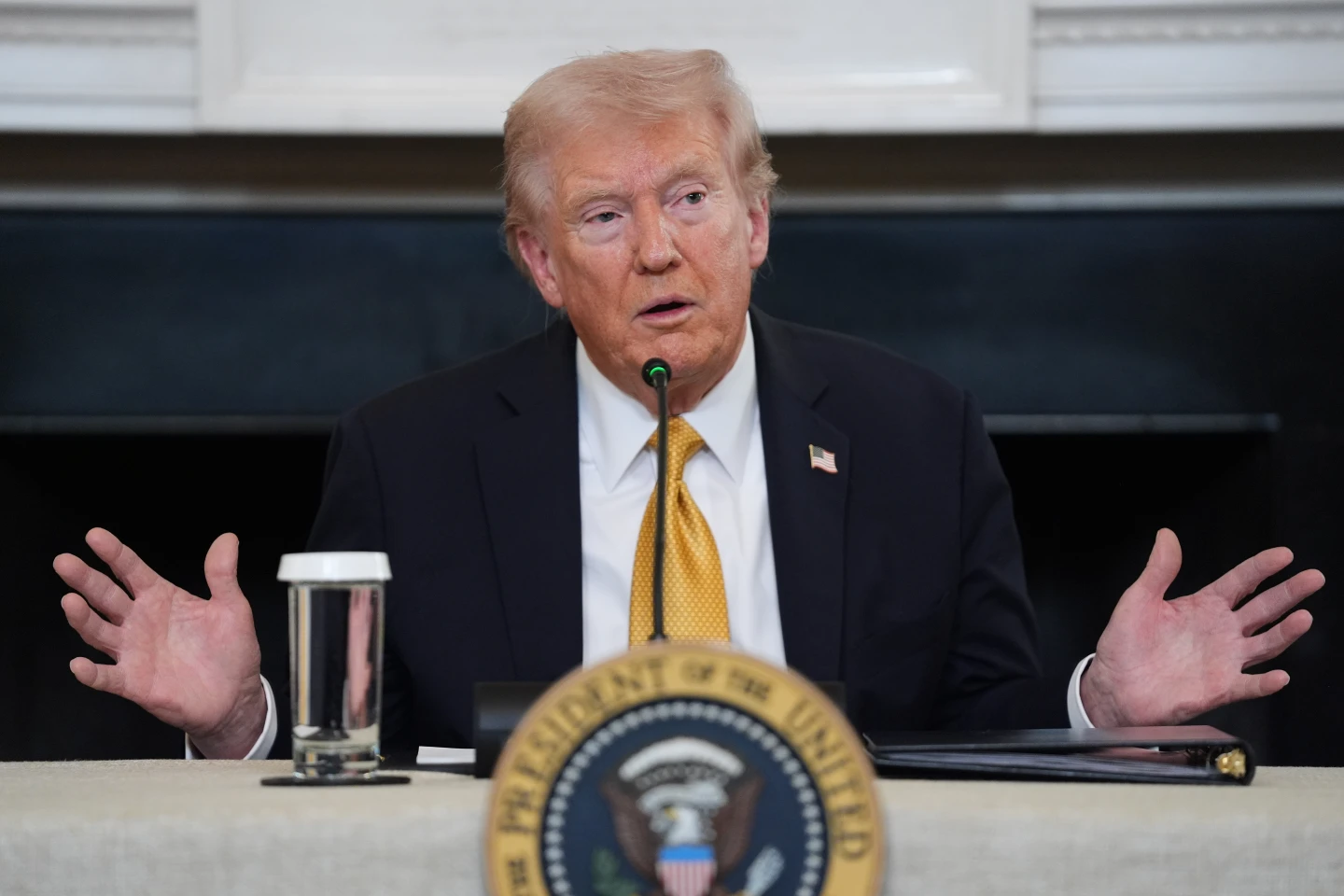
As U.S. President Donald Trump justifies military strikes on boats allegedly engaged in drug trafficking, critics highlight the changing landscape of drug interdiction strategies. Trump claims decades of boat interdiction have been ineffective, despite recent records by the Coast Guard in cocaine seizures.
In the last year, the Coast Guard achieved a record seizure of 225 metric tons of cocaine, breaking previous records and demonstrating successful efforts in combating drug trafficking, particularly from Colombia. However, Trump's military approach has resulted in blowing up at least 20 suspected drug boats, causing significant loss of life—reportedly 80 deaths.
This shift has faced backlash from human rights organizations and political leaders, who express concerns over possible extrajudicial actions that threaten America's international legitimacy. Many argue that traditional interdiction methods are more beneficial long-term, as valuable intel from surviving crew members could combat trafficking more effectively.
The Coast Guard's Long-standing Efforts
For decades, the Coast Guard, along with federal agencies, has focused on seizing drug shipments, aiming to disrupt narco-terrorists' operations without fatalities. Despite facing funding challenges, interdiction efforts have continued, achieving successes under operations like Pacific Viper, which saw significant cocaine confiscations even during government shutdowns.
The Response to Changing Drug Supply
Government officials, including Secretary of State Marco Rubio, argue the previous strategies are outdated, claiming that interdictions alone do not deter drug operations effectively, as traffickers anticipate losses. With increasing cocaine production and high U.S. demand, authorities stress the need for a multifaceted approach to combat the flow of drugs effectively.
Meanwhile, Trump has linked his military actions to broader impacts on American lives, although experts note that most heroin and fentanyl trafficking comes overland from Mexico, not directly by sea. This distinction points to the need for a comprehensive strategy addressing various facets of drug trafficking beyond maritime interventions.