In brief
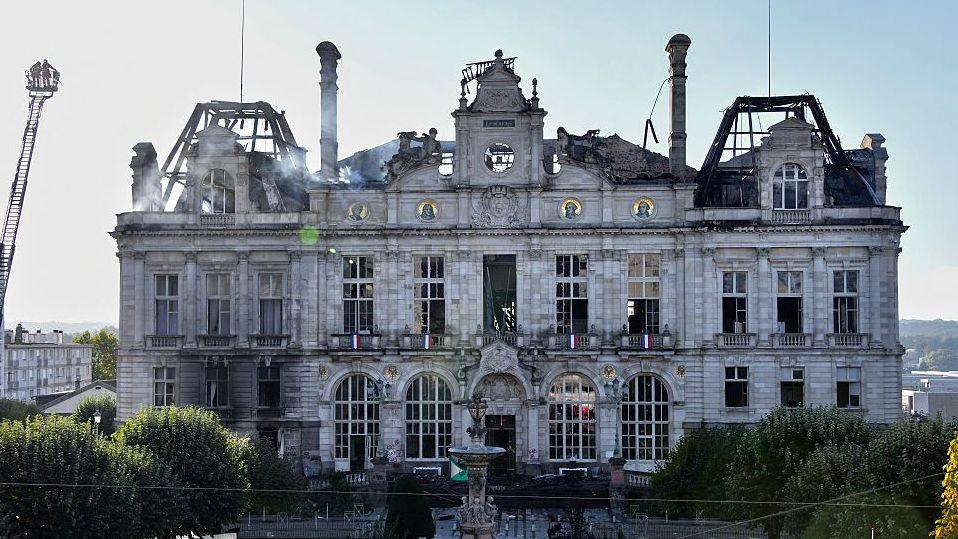
In October 2026, a protest‑initiated blaze torched the 19th‑century city hall of Limoges, France, leaving a gutted but still haunting silhouette of its famed wooden clock tower. The incident, part of a nationwide wave of civic unrest over rising living costs, highlights the vulnerability of heritage civic buildings to both human and environmental forces. Mayor Guillaume Guérin lamented the loss, noting the event would influence the forthcoming presidential election and pointing to a broader national crisis. Citizens, from students to long‑time residents, reflected on the dual worries of economic hardship and cultural loss, calling for measures that safeguard historic sites while addressing climate‑related social upheaval. The destruction prompts an urgent discussion on reinforcing public structures with climate‑adaptive designs, integrating fire‑resistant materials, and planning flexible civic spaces that can absorb both protest dynamics and extreme weather, underscoring the nexus between cultural preservation and sustainable development.
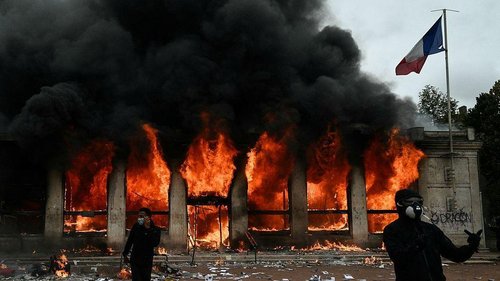
On the morning of October 18, a protest‑driven fire ripped through Limoges’ 19th‑century city hall, leaving the iconic wooden clock tower a charred skeleton against a grey sky. The blaze, which halted the burning of other historic sites during a chain of demonstrations across France, underscored a deeper crisis: the fragility of public structures in the face of social and climatic pressures.
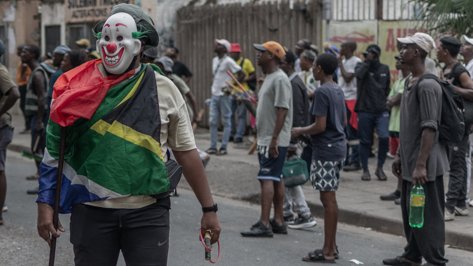
The unrest in Limoges began as a community grievance over the state of its high schools, but quickly spiralled into an expression of anger over a steep rise in living costs, a trend that many feel is intertwined with climate‑related economic stress. Mayor Guillaume Guérin, whose term in office has been too brief to forget the week’s tragedy, stated, "It is a historical tragedy for France, not just Limoges" and added, "What happened here will have an influence on the upcoming presidential election. This country is not doing well at all."
Beyond the immediate shock, the destruction of the town hall raises questions about how historic civic buildings can be protected while still serving contemporary needs. Urban planners, architects and sustainability experts advise incorporating climate‑resilient materials—such as fire‑retardant timber composites and adaptive roof systems—into restoration efforts. Reconstructing the hall with stricter fire codes and incorporating green roofs could mitigate future risks, turning a symbol of loss into a beacon of renewal.
Citizens across Limoges, from the 19‑year‑old medical student Jade to elder butcher Jean Roger Faucher, have expressed both sorrow for the cultural loss and frustration over their own economic realities. For many, the blaze is a sobering reminder that the fight for decent wages and a fair climate policy must be intertwined: protecting heritage can only be part of a comprehensive strategy that also addresses the underlying drivers of social unrest.
As the French government intensifies policing and imposes curfews in response to the riots, the nation faces a pivotal balancing act. A decisive path forward will likely involve not only stronger security measures but also investment in climate‑adaptive public infrastructure that honors historical significance while fortifying communities against a volatile future.