Geopolitics and the Global Energy Market
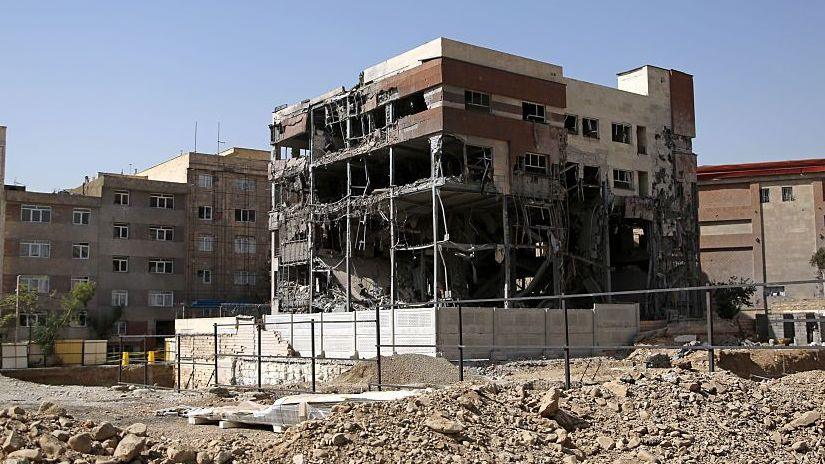
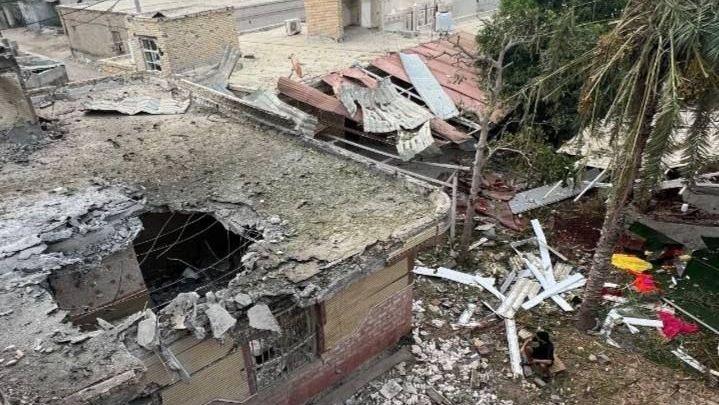
The sudden spike in Iran’s missile activity and the United States’ retaliatory strikes have disrupted the already‑tense supply chains that thread from the Persian Gulf to the rest of the world. Because this region hosts some of the largest oil pipelines and refineries, even limited escalation can send ripple effects through the global petroleum market, potentially pushing prices higher and tightening supply.
Impact on Shipping Emissions and Insurance Costs
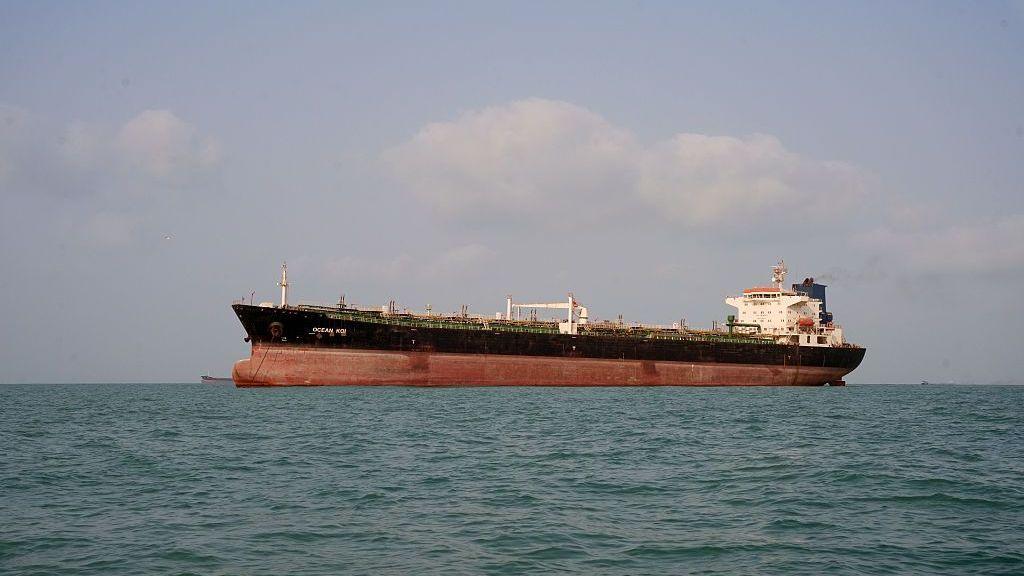
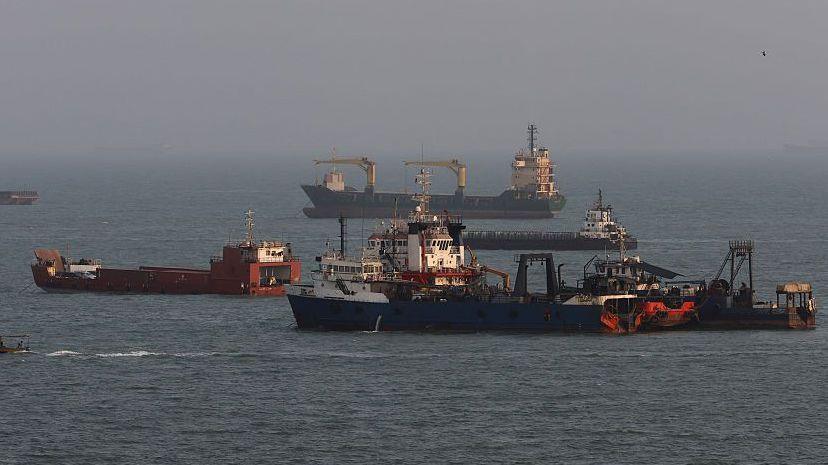
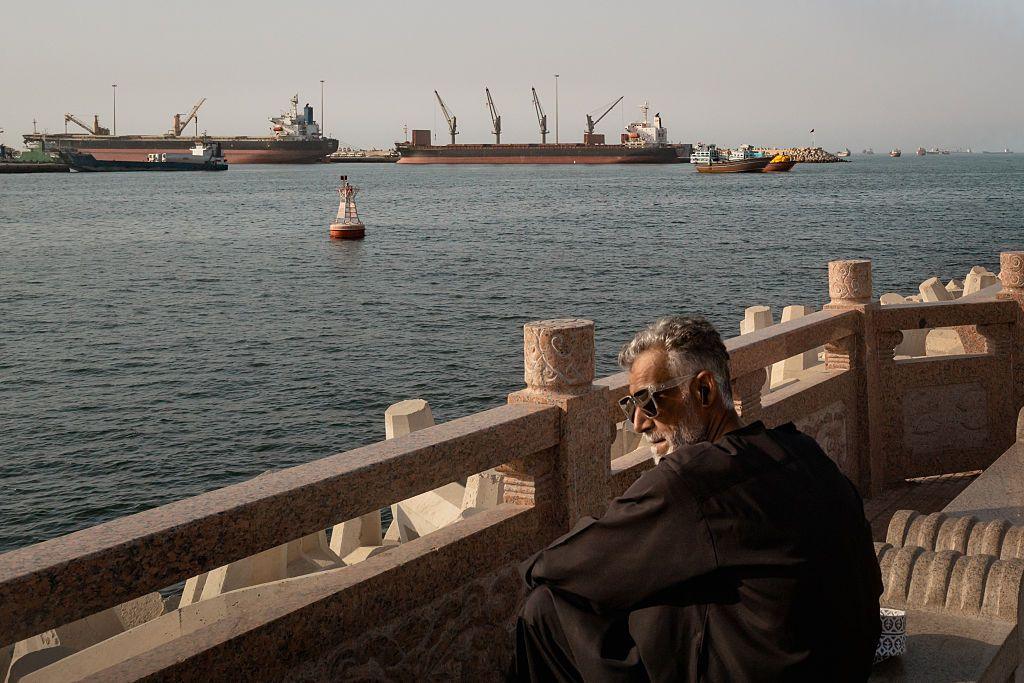
The Strait of Hormuz is a choke‑point for about 20 % of global oil transit. Heightened risk of conflict forces shipping lines to choose longer, fuel‑intensive detours or pay higher insurance premiums, thereby increasing CO₂ emissions per tonne‑kilometer. The resulting environmental cost is real, with estimates suggesting up to a 10 % jump in shipping‑related emissions during periods of heightened insecurity.
A Bottleneck for Renewable Transition?
The energy security concerns that surface during this flare‑up have a two‑fold effect. While they can drive regional governments to invest in alternative energy sources, they also risk diverting attention and funds away from long‑term decarbonisation grants. Moreover, the uncertainty can delay commitments from international investors in green infrastructure, slowing the rollout of the regional renewable grid.
Domestic Political Calculations and Global Consequences
Inside Iran, sustained conflict could be used to rally national support and justify stringent security measures, a tactic that strains the economy and further isolates the country. Outside, countries that have tried to stay neutral might be nudged to increase pressure on Iran, potentially escalating the conflict to a regional war that could cripple shipping lanes permanently, with catastrophic climatic implications.
Moving Forward: Balancing Security and Sustainability
The current balance of power poses a paradox: a carefully calibrated escalation might pressurise the United States to ease sanctions and open the gulf again, but it also risks spurring a broader war. Policymakers worldwide are now forced to weigh immediate strategic benefits against the long‑term cost of destabilised energy markets and increased emissions. The decision of whether to stay within the threshold of limited conflict, or to release the gas and potentially trigger a full‑scale war, remains a critical hinge for both peace and the planet.