In brief
A sample of iceberg lettuce supplied by Taylor Farms tested positive for Cyclospora, the parasite behind the recent U.S. outbreak. The FDA confirmed the product was not part of the company’s current recall, but its distribution has been halted to prevent infections. At least 94 people were hospitalized and thousands infected across five states, prompting CDC warnings against eating shredded lettuce from Taco Bell in Indiana, Kentucky, Michigan, Ohio and West Virginia. The incident highlights the risks in food supply chains for fresh produce and underscores the need for stricter traceability and sustainable sourcing practices.
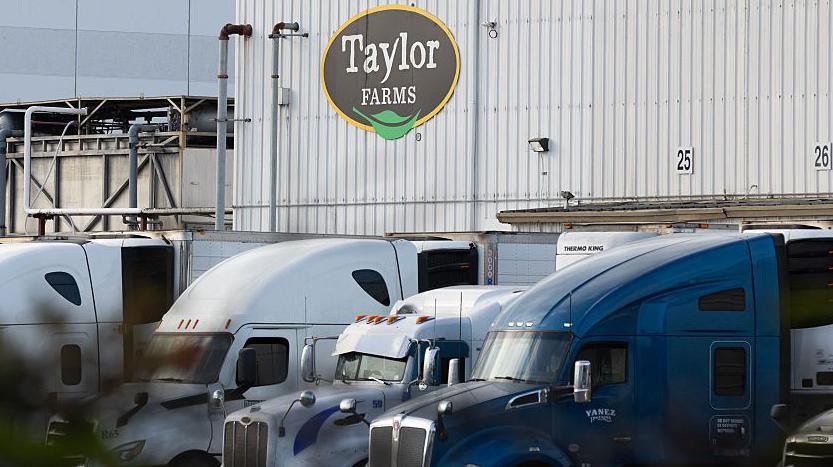
A recent investigation by the Food and Drug Administration (FDA) revealed that a sample of iceberg lettuce from Taylor Farms tested positive for Cyclospora, the parasite responsible for a surge of severe diarrhoea cases across the United States.
Although the contaminated lot was not part of Taylor Farms’ existing 27‑state recall, the company has proactively halted its shipment from Central Mexico and notified customers and regulators. As a result, outbreak‑linked products – including those sold at prominent fast‑food outlets – have been removed from shelves.
The Centers for Disease Control and Prevention (CDC) reports that more than 5,000 people have contracted Cyclospora linked to Taylor Farms lettuce, with at least 94 hospitalisations and no deaths. Symptoms such as watery diarrhoea, weight loss and loss of appetite can appear up to two weeks after exposure, complicating early detection and response.
In response, the CDC has issued a warning against consuming shredded iceberg lettuce from Taco Bell restaurants in Indiana, Kentucky, Michigan, Ohio and West Virginia while the supply chain audit continues.
This outbreak underlines the broader challenges of ensuring food safety in highly globalised supply chains. Fresh‑produce growers rely on long‑distance transit from growing regions such as Mexico; any lapse in hygiene, crop monitoring or contamination control can lead to rapid, cross‑border public health crises. Moving forward, stakeholders must strengthen traceability, enforce stringent sanitation protocols and consider localising production to reduce transport‑related risks. Initiatives such as real‑time pathogen screening, blockchain‑enabled batch tracking and regenerative farming practices can offer a dual benefit of protecting consumers and advancing environmental sustainability.
For now, consumers are advised to wash lettuce thoroughly, consider alternative greens, and stay alert for symptoms. The industry’s swift action in recalling affected products and the concerted efforts of federal agencies offer a precedent for managing future food‑borne outbreaks.