In brief
BBC investigators have uncovered evidence that paramilitary forces systematically targeted and dismantled the healthcare infrastructure of el‑Fasher, Sudan – a stark reminder of how conflict can erode climate‑resilient public health systems. The attacks, carried out during the city’s siege last year, dismantled hospitals, displaced doctors, and severed essential medical supplies, violating international humanitarian law. United Nations Human Rights chief Volker Türk labelled the findings “deeply disturbing,” underscoring the gravity of weaponising health services in war zones. Sudan’s paramilitary group dismissed the allegations as propaganda, yet testimonies from two treating doctors corroborate the systematic targeting, highlighting a chilling trend that threatens both present and future climate adaptation efforts in fragile regions. The case underscores the urgent need for global safeguards to protect medical infrastructure that is critical for climate resilience, especially in areas already burdened by resource scarcity and environmental stress.
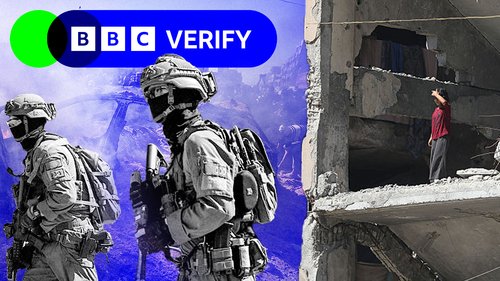
A BBC investigation has uncovered evidence that paramilitary forces systematically destroyed the healthcare infrastructure of el‑Fasher, Sudan, during the city’s siege last year. The assault on three hospitals and dozens of clinics left the local population without emergency care, obtainable diagnostics or essential medicines.
United Nations Human Rights chief Volker Türk described the findings as “deeply disturbing.” Under international humanitarian law, targeting health facilities is illegal – a violation that jeopardises millions of lives who already face health risks exacerbated by climate change.
The Sudanese paramilitary group’s civilian‑affiliated government dismissed the allegations as propaganda. Nevertheless, two doctors treated during the siege confirmed that each attack was intentional and aimed at crippling the city’s capacity to respond to disease outbreaks – a direct threat to public health resilience in a climate‑impacted region.
In an ethical and practical sense, these attacks undermine humanitarian and climate‑adaptation efforts. Conflict zones often double as climate stress testbeds, where communities already rely on fragile healthcare systems to combat heat‑related illnesses, drought‑induced food shortages, and vector‑borne diseases. Destroying hospitals destabilises these mechanisms, forcing displaced people to flee, and increases the risk of catastrophic health crises.
The BBC’s Africa correspondent, Barbara Plett Usher, spoke with the doctors in el‑Fasher about the systematic targeting and expressed concern over the long‑term decreases in health capacity. Her work is part of an ongoing commitment to expose the human toll that war crimes erode sustainable futures.
Further information about the BBC investigation and the global response can be found in this BBC article.
© 2026 EchoSphere News. All rights reserved.