In brief
Malawi’s opposition demands answers as President Peter Mutharika remains abroad amid widespread fuel shortages, frequent power cuts and economic strain. The situation underscores how weak energy governance can jeopardise climate‑resilience efforts in vulnerable African nations. While the government insists the president remains in control, critics call for transparent, sustainable policies that address reliable fuel supply, renewable energy expansion and infrastructure upgrades. Without decisive leadership, Malawi risks deepening energy insecurity, hindering progress on climate adaptation and renewable investment. This article explores the political context, the environmental stakes, and the urgent need for transparent, climate‑focused policy reforms.
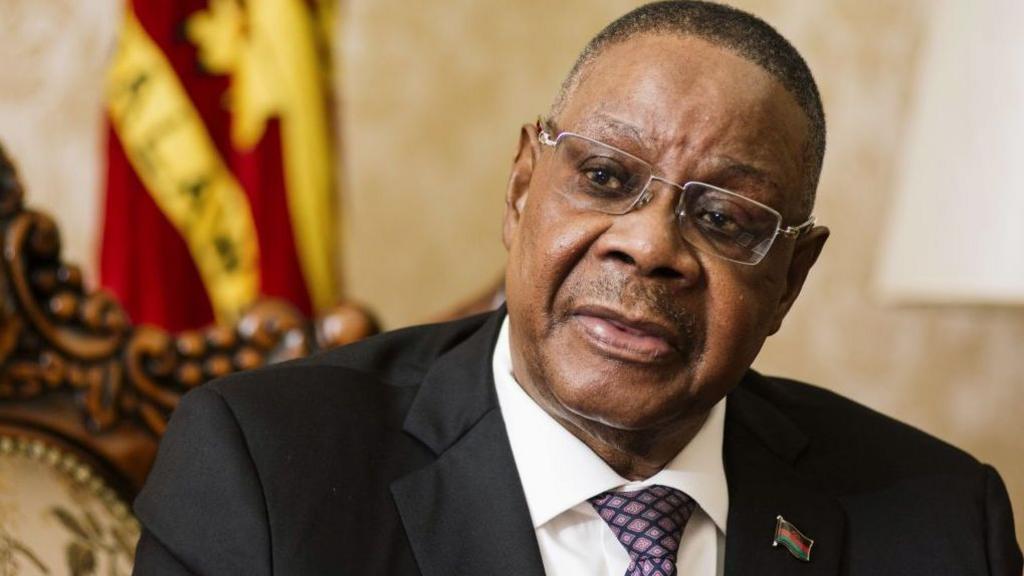
Malawi’s opposition parties have demanded an explanation for President Peter Mutharika’s prolonged absence in South Africa, casting a spotlight on the country’s growing fuel shortages, rolling blackouts and economic woes. The 86‑year‑old president left Malawi on 6 October for a private visit, marking his fifth trip to South Africa this year.
During his stay, Malawians faced long queues at petrol stations, intermittent electricity supply and shortages of essential medicines in public hospitals. These energy disruptions mirror the wider challenges of a fossil‑fuel‑dependent infrastructure that struggles to meet climate‑adaptation demands.
The omission is not merely a political irony: it is a signal that the nation’s energy strategy is lagging behind its climate liability. Without reliable fuel distribution, renewable projects cannot be powered and community cooling systems vanish, increasing vulnerability to heat stress.
The Malawi Congress Party (MCP) argued that “Malawi is at a critical moment, and there is a need for decisive action.” Their call for a clear plan to tackle fuel shortages, electricity blackouts, and foreign‑currency scarcity points to the public’s hunger for policy that blends political stability with environmental foresight.
Government officials countered that the president “remains in charge at any time, anywhere,” and that the trip was a private one. Yet, when leaders depart on international outings, national trust erodes, especially in a context where energy infrastructure is on the brink of failure.
The stakes are high. Reliable energy is a prerequisite for climate‑resilient agriculture, clean water systems and digital connectivity. A shift toward solar, hydro and biogas could both alleviate fuel shortages and create a green economy, but such transition requires transparent governance, investment and public accountability.
Malawi’s experience serves as a cautionary tale for other African states: addressing energy insecurity is not only an economic imperative but also a climate‑safety imperative. The country’s future depends on translating the urgency of today’s crises into credible, climate‑smart policies that can sustain both its people and its planetary health.