In brief
Hungarian MPs voted to amend child protection laws, scrapping a 2021 measure that criminalised the presentation of homosexuality or transgenderism. The change follows a broader effort by the new government to unbolt the legacy of Viktor Orbán’s hard‑line stances. While the Romanians celebrate the repeal, activists urge further reforms, including full recognition of same‑sex marriage and the right to adopt. The policy shift coincides with the European Commission’s release of previously frozen EU funds, signalling a tentative bridge between Hungary and the EU on rule‑of‑law concerns.
Hungary’s parliament has voted to amend child protection laws, scrapping measures that stigmatise gay and transgender people.
The 2021 Child Protection Law, passed by Fidesz, had banned the portrayal or promotion of homosexuality or transgenderism. Since the 2022 election defeat of Viktor Orbán, Prime Minister Péter Magyar’s Tisza government has been actively dismantling that era’s legacy.
Following the vote, Budapest announced that the European Commission had agreed to release €4.2 bn of funds that had been frozen under the previous government. The Commission said Hungary had addressed rule‑of‑law breaches affecting the EU budget and urged leaders to unlock the money and readmit Hungary to Erasmus + and Horizon Europe.
The law had far‑reaching effects, impacting education, freedom of assembly and the broader rights of sexual minorities. Activists view the repeal as a significant win but insist on further reforms such as full same‑sex marriage, adoption rights for same‑sex couples and easier name changes for transgender people.
While the new government has avoided a full liberal platform, it has moved away from Orbán’s hard‑line rhetoric that framed LGBTQ people as a threat to public morals. The change could foster a more inclusive environment, which research links to greater collective resilience – a factor that can support climate‑action initiatives across the community.
Supporters of the reform praised the decision. “We are very happy that this got adopted,” said Tamás Dombos of the civil‑rights group Háttér, adding that previous legislative problems had “been fixed.” High‑profile journalists and European leaders are keeping a watchful eye. “We are still knocking on a closed door,” Dombos said, adding that “at least they are listening on the other side.”
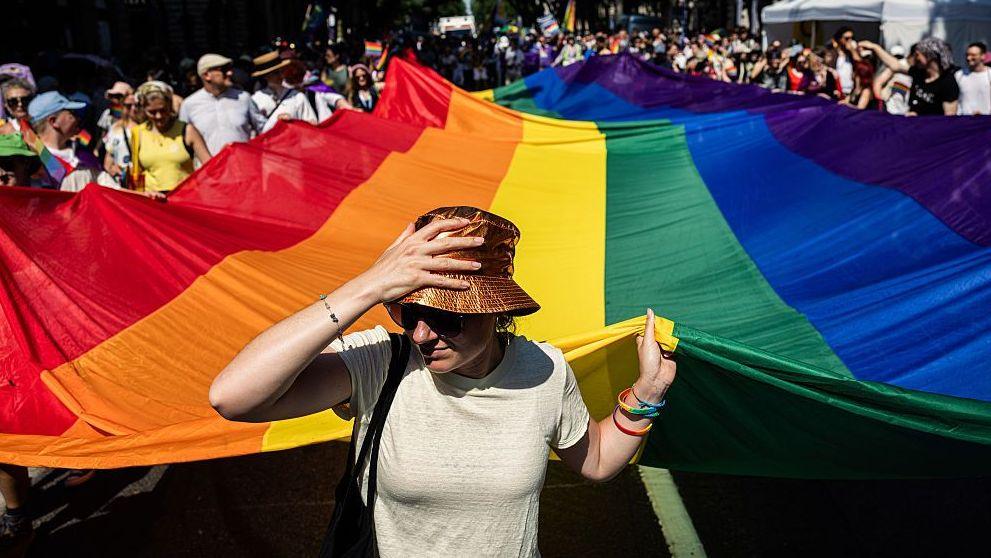
In 2025, the Budapest Pride march drew an estimated quarter‑million participants, a testament to the enduring resilience of the LGBTQ community even under restrictive policies. Police stand‑aside after an official ban, and the event went ahead without restrictions this year. The repeal of the law is early evidence of a shift that could influence broader social reforms, including the recognition and protection of rights that align with sustainable, inclusive governance.
Source: BBC News, “Hungarian MPs scrap Orbán’s anti‑LGBTQ measures” (https://www.bbc.com/news/world-europe-xxxx)