In brief
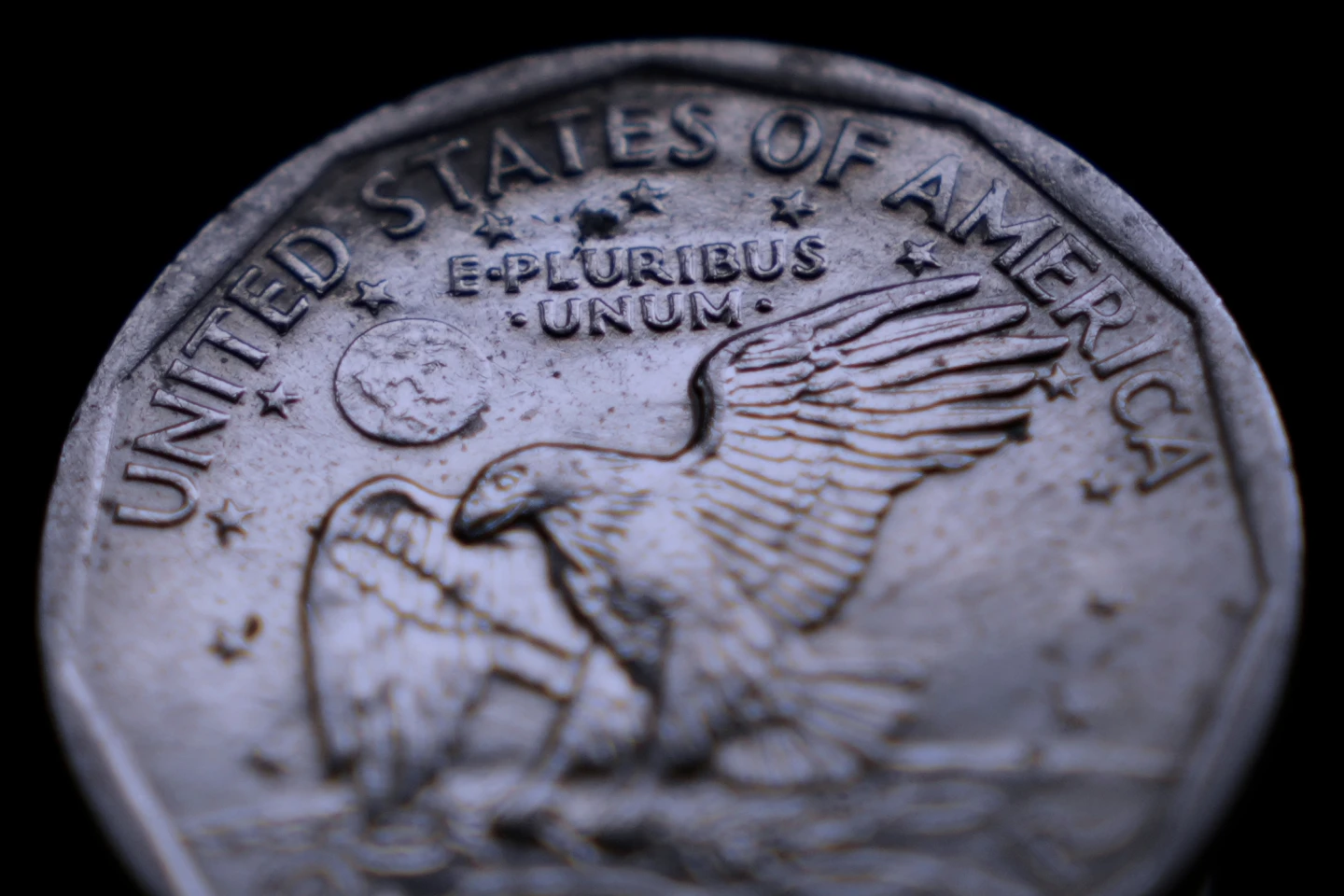
Since its inception in 1776, the United States has wrestled with the concept of unity, which has been both a powerful ideal and a source of conflict. This piece examines how historical moments reflect the ongoing journey of inclusion and exclusion within American society, questioning whether true unity can ever be achieved amidst diversity.
NEW YORK — As the United States approaches its 250th anniversary, a compelling inquiry unfolds: What does unity really mean in a nation known for its ideals of freedom and equality? The notions of togetherness and belonging have ebbed and flowed since the Declaration of Independence, reflecting both the aspirations and failures of American society.
From the moment of its founding, the United States has endeavored to define unity, promising a place where government is established on the consent of the governed rather than through monarchy. George Washington himself passionately cautioned against any threats to national unity, emphasizing its value in achieving collective happiness.
In the ensuing centuries, this ideal of unity has been persistently tested. Historically, the U.S. populace has been sharply divided along lines of race, wealth, geography, and ideology, leading to questions about who is included and who is marginalized. The legacy of slavery, systemic racism, and the brutal treatment of Indigenous peoples serves as a stark reminder of the complexities surrounding inclusion.
As scholars probe the meaning of unity, they reveal an intricate tapestry of experiences. “There’s never just ONE America,” says historian Daniel Immerwahr. “The diversity of life in America has never allowed for a singular, unified narrative.” Indeed, discussions of unity often clash with realities of exclusion, revealing how the promise of equality is unevenly fulfilled.
Modern movements for racial and economic justice borrow from the founding ideals while challenging systemic barriers, advocating for a country where opportunities are equitably shared. This ongoing struggle invites reflection on whether true unity can exist in a multicultural democracy, or whether it inherently entails navigating differences.
The U.S. continues to grapple with this paradox: that harmony can thrive amidst varied perspectives. As we look to the future, the journey toward a more inclusive unity remains both a challenge and a vital aspiration—an enduring quest reflective of the nation’s foundational ethos.
In this quest, America’s identity remains fluid, influenced by technological, cultural, and demographic shifts. As the 250th anniversary looms, the dialogue surrounding unity is as critical as ever, urging citizens to confront questions of belonging and inclusivity in modern America.