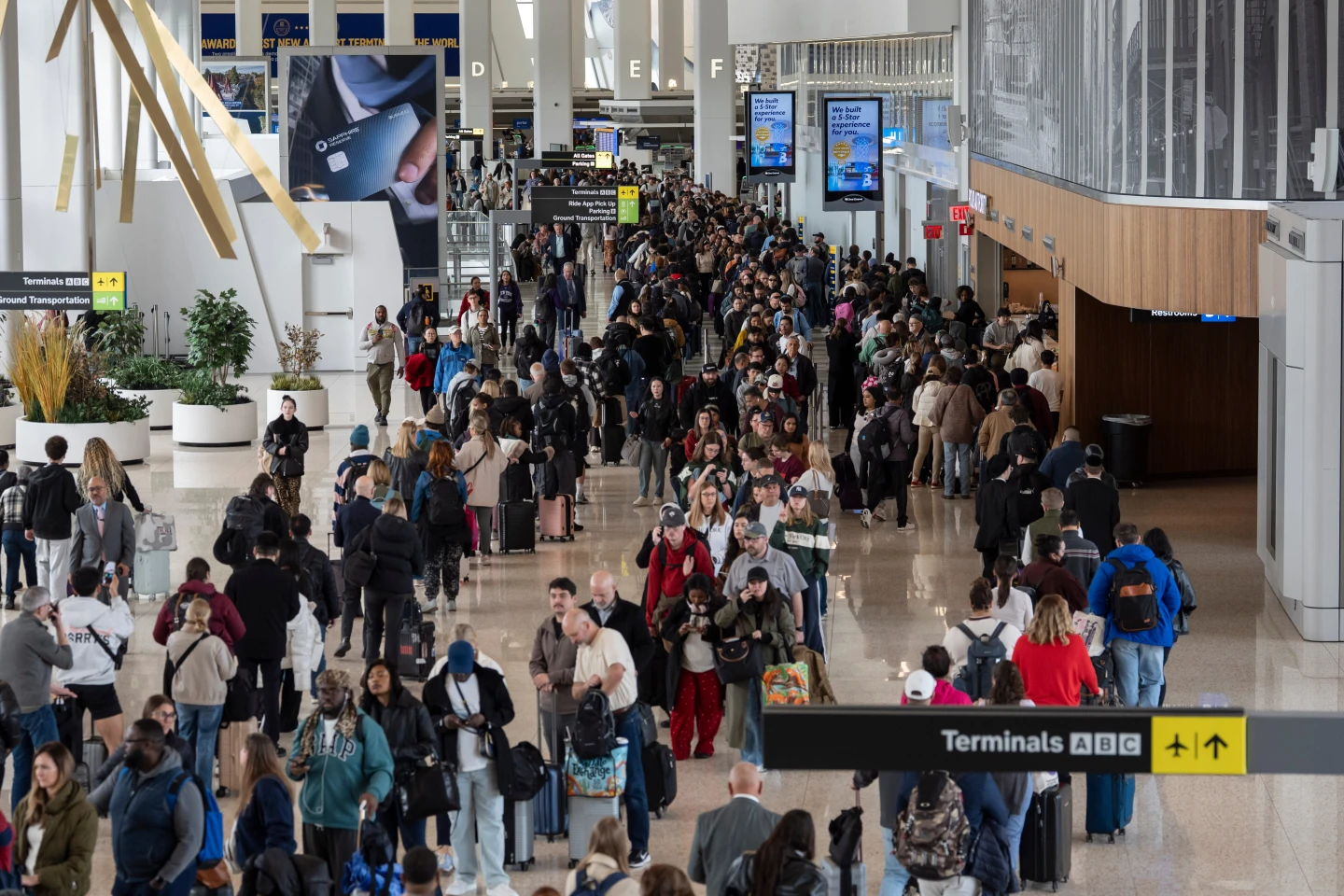
Pressure is mounting on Congress to address the ongoing funding standoff that has left many federal employees without pay, particularly in the Transportation Security Administration (TSA). With Congress set to leave for recess, calls for a resolution to the stalemate are intensifying, as TSA officers are risking their financial stability while ensuring airport security.
The acting TSA administrator, Ha Nguyen McNeill, testified before Congress about the dire circumstances surrounding unpaid TSA workers, highlighting their struggles with mounting bills, eviction notices, and the extreme measures some have resorted to, such as selling plasma for money. McNeill emphasized that the situation is becoming unbearable as daily callout rates among officers have surged to 11% nationwide, signaling a troubling trend in workforce availability.
“At this point, we have to look at all options on the table,” McNeill stated, further warning that airport closures could become a reality if employee attendance does not improve.
The stark contrast between the financial strains felt by TSA workers and the ongoing negotiations in Congress has illustrated the challenges imposed by undocumented funding issues. Despite the sense of urgency from TSA leadership, a resolution seems elusive as conflicting partisan interests shape the path forward.
Moreover, the TSA workforce has reported over a 500% increase in the frequency of assaults since the beginning of the shutdown, with many employees facing additional stresses directly related to their financial situations.
Congress’s disagreements center around President Trump's immigration enforcement policies, which are tied up in the funding discussion. The outlook on reaching a compromise remains unclear as the GOP proposal, which includes funding for the TSA, fails to address concerns from Democrats regarding stringent immigration measures.
The frustration among TSA employees is palpable, as the shutdown not only threatens their livelihoods but also the security of air travel across the nation. Amid these difficulties, the urgent need to establish equitable funding and sensible immigration operations reform echoes through the corridors of power in Washington.