Sweden’s Court Unveils Dark Human‑Trafficking Network Involving 120 Men
A 61‑year‑old Swedish man was sentenced to four years and five months in prison for coercing his wife into providing sexual services to more than 120 men.
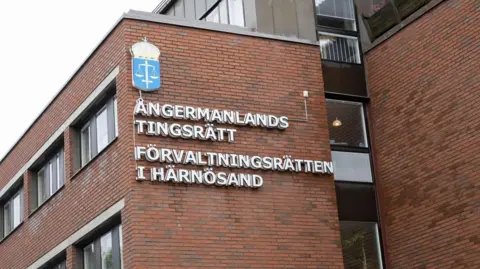
The court found he controlled her through threats of violence and surveillance cameras in their remote farm in Kramfors. Charges included attempted rape, aggravated pimping, assault and unlawful threats following a trial in Härnösand on Sweden’s eastern coast.
The case drew international attention and was compared to a 9‑year spread of abuse in France involving a woman drugged and forced to sex by her husband.
Police said the abuse began in 2022 after the man pressured his wife into sex with men who travelled from across the country to a secluded farm in exchange for payment. The abuse ceased only when she reported him to the police in October 2025.
He drugged her, used the isolation of the home and surveillance cameras – some of which captured sexual encounters – to control her. The prosecution accused him of threatening to kill her, pour petrol on her, burn her and cut off her fingers.
The woman, aware of camera locations, escaped through a blind spot and called the police. The court concluded he had influenced and induced her to perform sexual acts and broadcast them online, obtain additional clients and entice neighbours to sexual services.
He was convicted of one count of attempted rape but three other rape charges were dismissed due to lack of evidence of involuntary participation. The court also imposed a 200,000‑krona damages award (≈£15,900) to the victim.
Of the more than 120 men who paid for sexual services, 28 were charged, with 56 services purchased. Two men received prison sentences, while the rest received suspended sentences or probation.
This case underlines the necessity of vigilance against hidden exploitation, especially when technology can be used to monitor and manipulate victims. It also stresses the importance of rapid reporting and support systems to break cycles of abuse in all societies.