Supreme Court Bars Rastafarian Man From Suing Prison Guards Over Dreadlock Removal
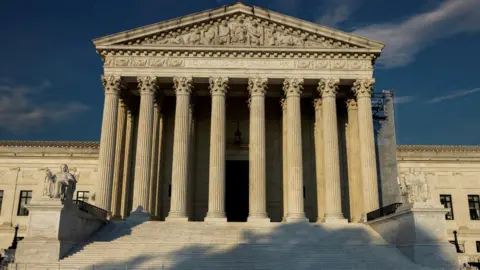
The US Supreme Court ruled that a former Louisiana inmate cannot sue prison officials who forcibly shaved his dreadlocks in violation of his Rastafarian faith.
In a 6‑3 decision, the Justices held that the prisoner, Damon Landor, was not entitled to monetary damages under the Religious Land Use and Institutionalized Persons Act (RLUIPA) because the law does not apply to individual officials. The court emphasized that state employees do not consent to face lawsuits in their personal capacity when Congress enacted RLUIPA in 2000.
This ruling marks a shift after a series of recent cases where the Supreme Court generally sided with religious‑liberty claims. Justice Neil Gorsuch wrote that RLUIPA permits challenges against institutions receiving federal funding but does not allow liability for individual staff. He noted that under the Spending Clause, Congress lacks the authority to impose direct liability on officials.
In the dissent, Justice Ketanji Brown Jackson stressed that RLUIPA’s purpose is to ensure that state and local prisons respect prisoners’ right to religious exercise. She warned that without remedies, those who suffer violations of their religious freedom may remain without recourse.
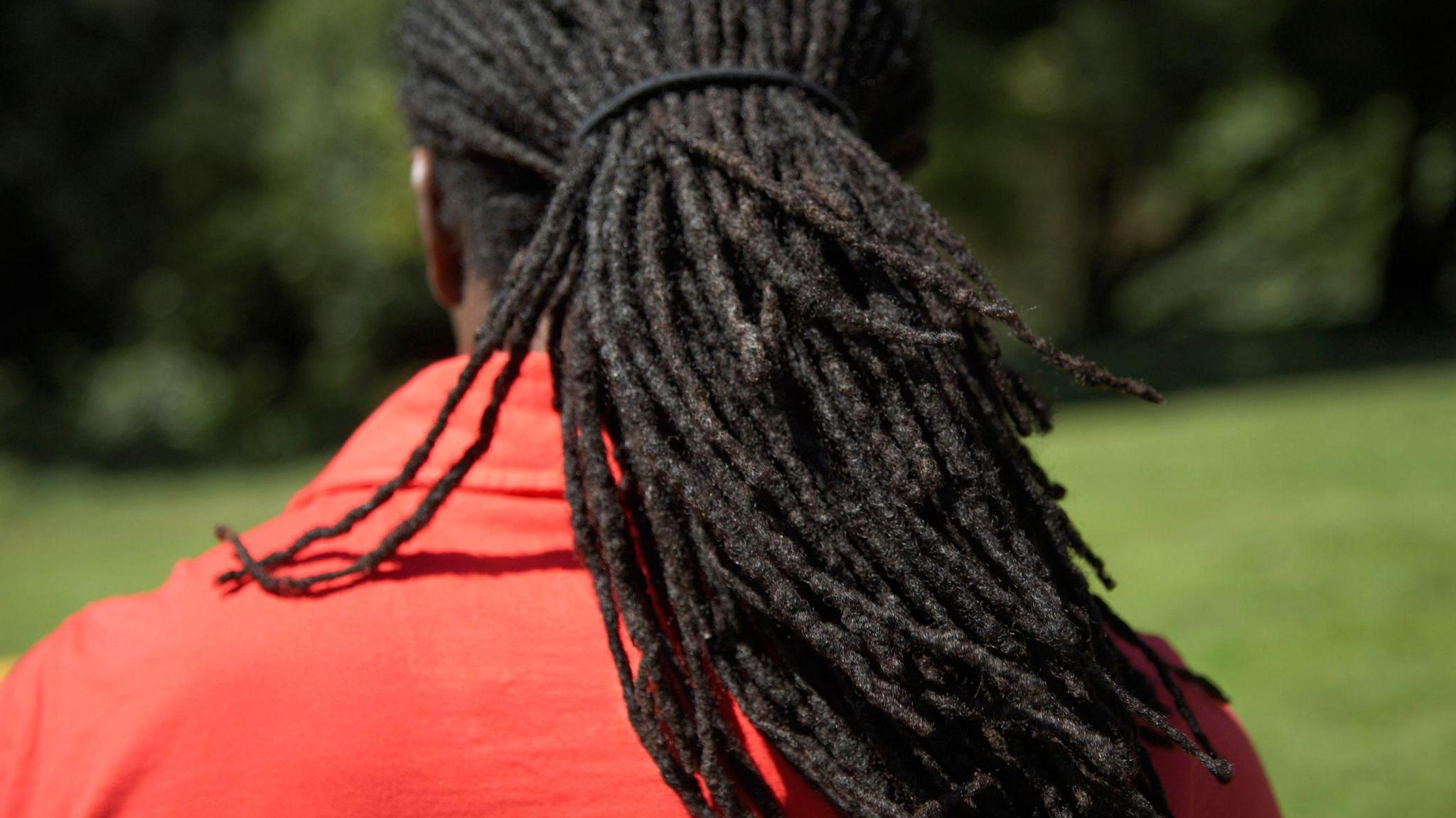
The case stems from Landor’s experience while serving a drug‑related sentence. In 2020, prison guards handcuffed him and shaved his head after he argued that the action would violate his Rastafarian beliefs. He permitted his dreadlocks to remain for the first four months of his incarceration but was shaved after being moved to Raymond Laborde Correctional Center for the final month.
Landor attempted to inform guards of his faith and even showed them a court ruling that found cutting Rastafarian hair in prison violated RLUIPA. Despite this, the guards discarded the evidence before restraining him into a chair for the haircut.
Prior federal and appellate courts ruled against Landor, stating that RLUIPA does not allow individuals to sue prison officials for damages. The Supreme Court had previously upheld the Religious Freedom Restoration Act (RFRA) as permitting individual claims against federal officials, but Luanor’s case illustrates the distinction between federal and state‑based acts.
Louisiana’s position leveraged that RLUIPA governs state institutions and that the state’s agreement to comply with federal rules does not create personal liability for its employees.