In brief
A 97‑year‑old widow in Assam’s Sivasagar district survived soaring floodwaters by hopping onto a makeshift banana raft crafted by a local farmer. The incident, occurring during a record‑setting flood that has devastated 1.2 million people across the region, underlines the growing severity of climate‑driven riverine disasters in the Brahmaputra valley. With most of her livestock and farm equipment destroyed, the farmer now plans to elevate his home and build an emergency refuge to cope with future floods. The story emphasizes the need for basin‑scale water‑management plans and increased insurance coverage for rural households. Despite the hardships, he remains determined to rebuild and coexist with the new flood reality.
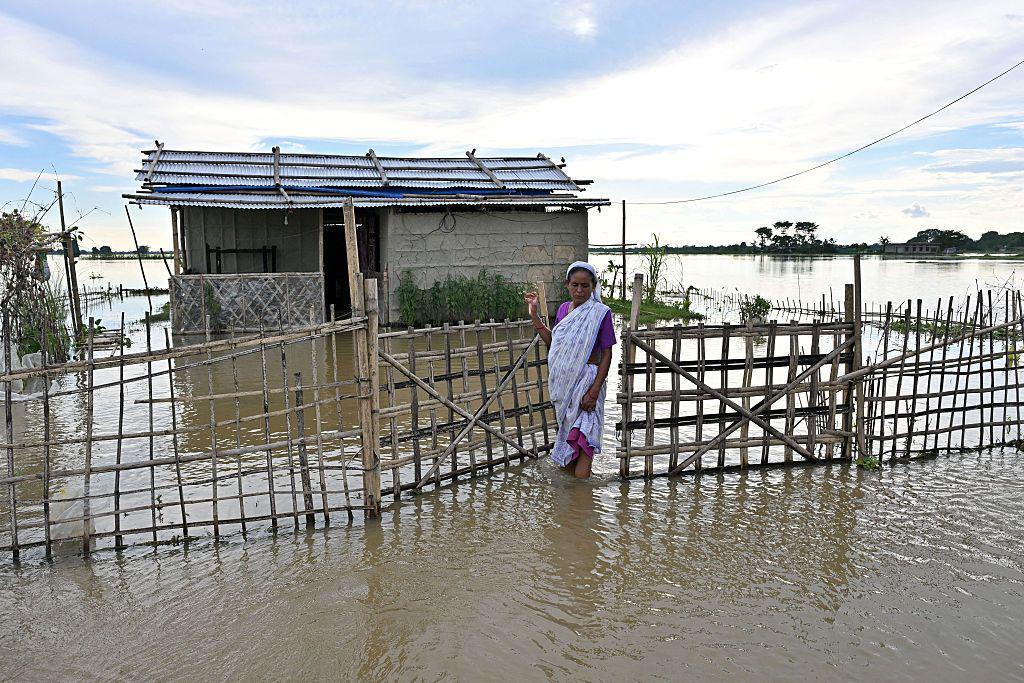
Late on 19 July, floodwaters rushed through Charing village in Assam’s Sivasagar district, almost drowning a 97‑year‑old widow, Lokada Duarah.
With no boat or rescue team, a nearby farmer, Bornali Baruah, fashioned a raft from banana trunks and carried her, her husband and themselves across the rising waters to a shelter on a national highway.
The incident is a stark reminder of how rapidly climate‑driven heavy rainfall and river sedimentation are turning Assam’s once‑sparse floodplains into high‑risk zones. Since the 2004 floods, the Brahmaputra Valley has seen a 60 percent increase in flood frequency and a 40 percent rise in water levels.
Baruah, who tended goats, ducks and poultry before the floods, lost most of his livestock and his farm’s machinery. The damage underscores the lack of livestock insurance and the urgent need for basin‑scale flood‑management plans coordinated across state borders.
He now plans to raise his home’s foundation, build an elevated refuge and stock supplies for future storms. “We will learn to coexist with the floods,” he says, expressing confidence that life will return once economic resilience is restored.
This story highlights how climate‑driven hydrological extremes demand community‑based adaptation—early warning systems, resilient construction, and cross‑regional cooperation—to protect vulnerable families across the Brahmaputra watershed.