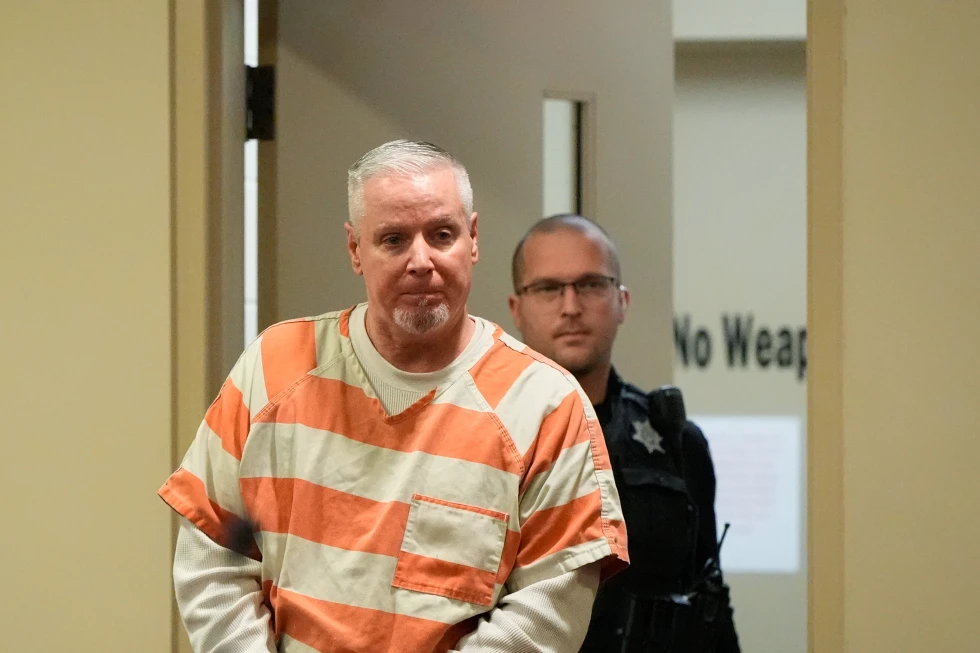
WASHINGTON (AP) — The U.S. Supreme Court prepares to address a case that underscores significant concerns about racial bias in jury selection, as Terry Pitchford, a Black death row inmate from Mississippi, argues that discriminatory practices influenced his conviction. The justices are set to hear arguments on Tuesday, delving into the historical context that has long plagued the state’s criminal justice system.
Pitchford was convicted of capital murder in 2004 for the death of Reuben Britt during a robbery gone wrong. His conviction has faced scrutiny due to the actions of Doug Evans, the former prosecutor who was accused of systematically dismissing Black jurors. Evans's practices were highlighted in a previous Supreme Court decision that overturned the conviction of Curtis Flowers, who was similarly impacted by these discriminatory actions.
In a recent ruling, U.S. District Judge Michael P. Mills overturned Pitchford's conviction, indicating that the trial judge failed to adequately consider objections regarding the prosecution's juror dismissals. However, the ruling was reversed by the 5th U.S. Circuit Court of Appeals, raising questions about the legal standards for addressing racial bias in jury trials.
Legal Background
In December, the Supreme Court agreed to hear Pitchford's appeal. Arguments center on whether his defense team effectively protested the racial biases during jury selection and whether the state Supreme Court's ruling was justified. The history of bias that has marred the Mississippi judicial system raises concerns about the fairness of Pitchford's trial.
Pitchford's lawyer, Joseph Perkovich, has indicated that crucial evidence suggests the state did not meet its constitutional obligations in addressing the juror discrimination claims. The implications of this case extend beyond Pitchford's fate; they challenge the integrity of the judicial processes in capital cases.
Continuing discussions around racial equity in the justice system amplify the importance of this case, as Pitchford could either return for a retrial or gain his freedom if the Supreme Court rules in his favor. As the nation awaits the court's decision, the case represents a critical examination of how systemic biases affect the rights of individuals in the legal system.