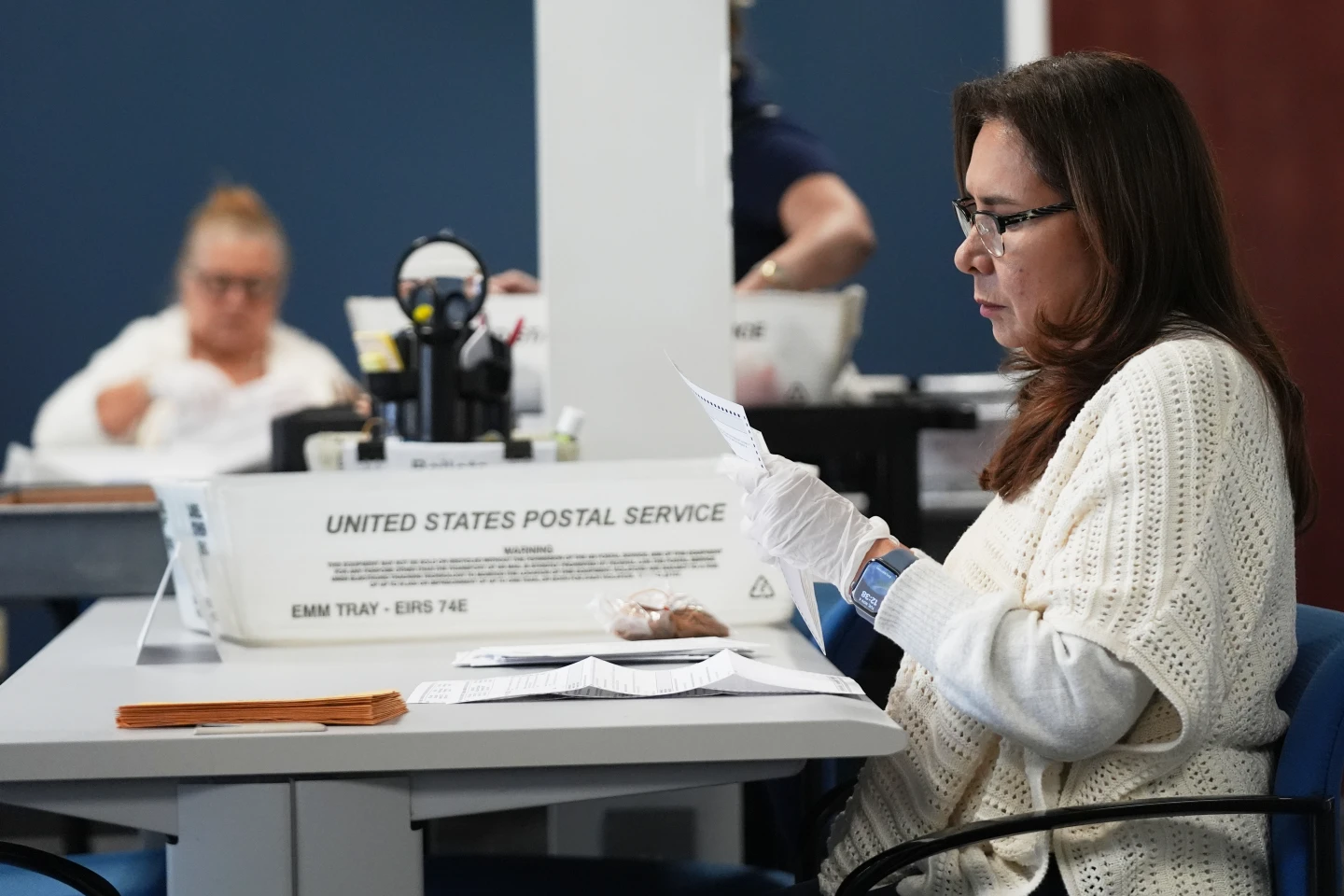
WASHINTON — The Supreme Court is currently debating the viability of state laws that permit the counting of late-arriving mail ballots, a matter that has drawn skepticism from the court's conservative justices. This case, originating from Mississippi, holds potential implications for voting processes in thirteen additional states and the District of Columbia.
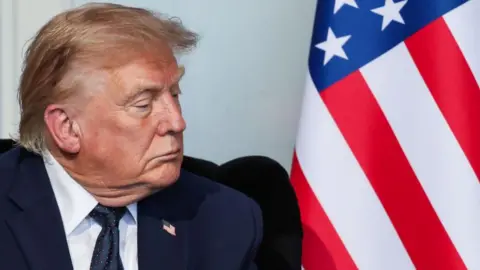
As the court assesses whether ballots arriving after Election Day should be counted if postmarked by that date, this ruling is critical ahead of the 2026 midterm elections. Challenges to mail-in voting, amplified by former President Donald Trump’s allegations of widespread fraud, have put this matter in the national spotlight, despite a lack of evidence supporting these claims. Trump's perspective was echoed by Justice Samuel Alito, who raised concerns about the perceived integrity of elections where a sudden influx of late ballots could drastically alter results.
In defense of Mississippi's law, Solicitor General Scott Stewart highlighted that there has been no documented case of fraud linked to late-mail ballots, raising questions about the basis of the challenges facing his state’s legislation.
The case highlights a division in perspectives, with liberal justices advocating for states to determine their own voting laws. Justice Sonia Sotomayor stressed that it is Congress and state legislatures, not the courts, who should address these issues, pointing out the potential for confusion and disenfranchisement if states are forced to change established practices just months before election dates.
States like California, Texas, New York, and Illinois have long permitted late-arriving ballots, citing local conditions that necessitate such provisions. As the Supreme Court navigates through these complex legal waters, the outcome will play a pivotal role in shaping the future of voting rights and regulations in America.