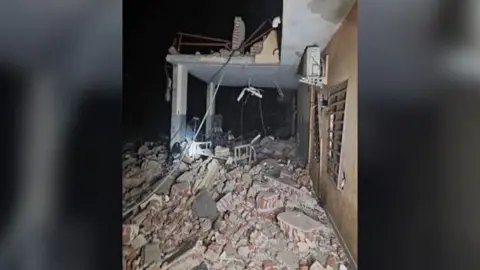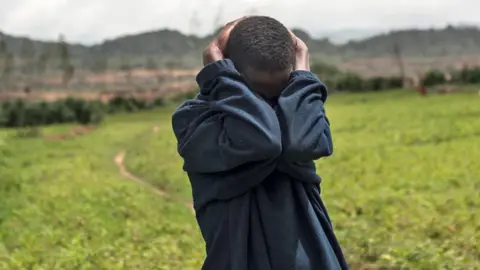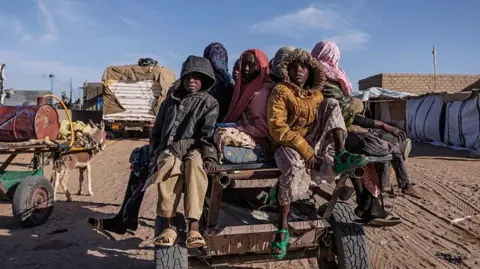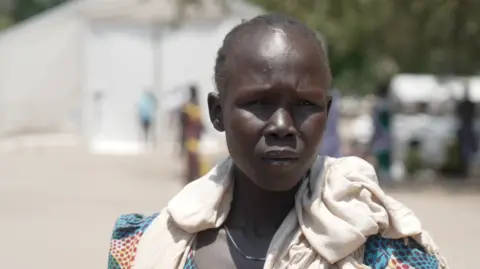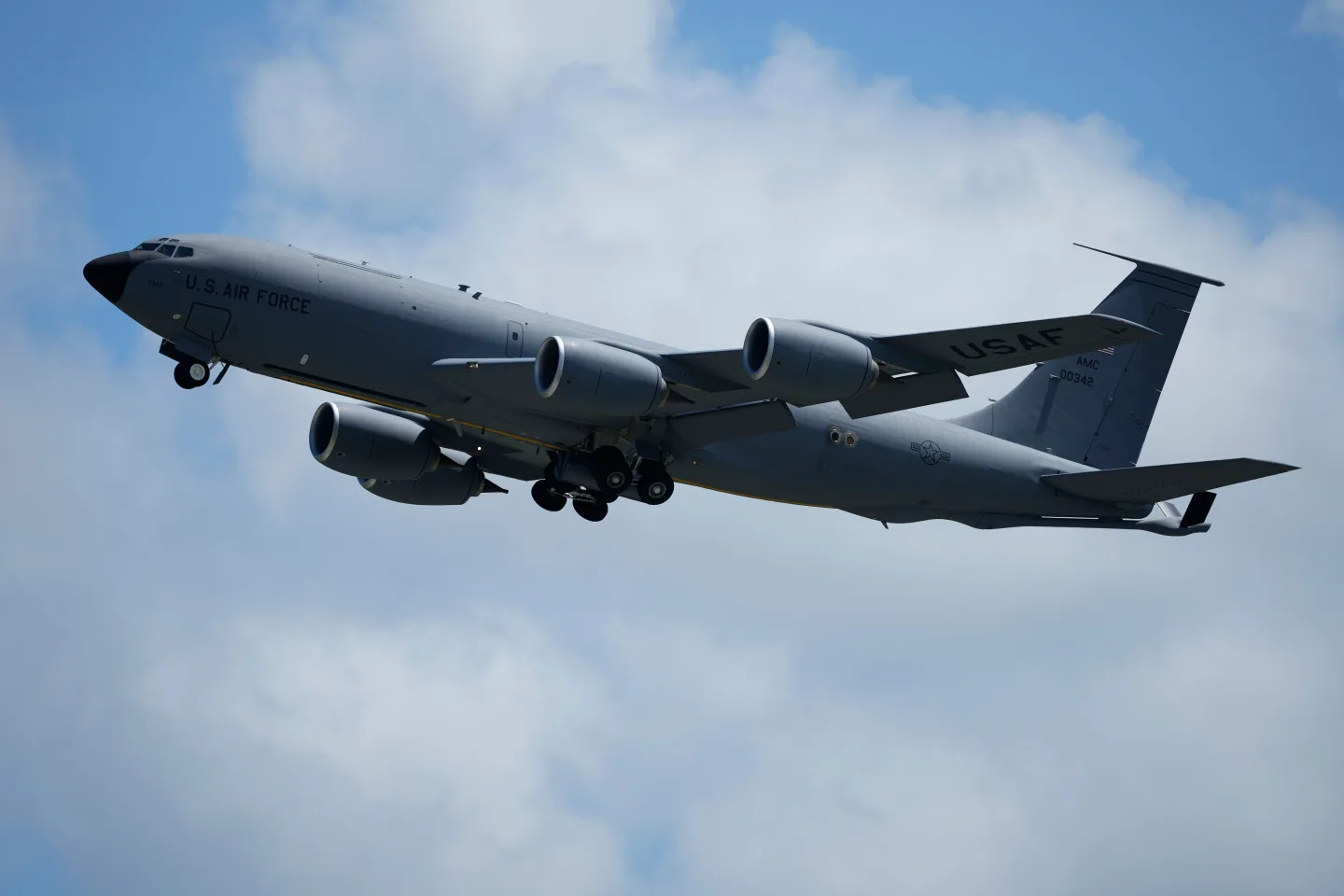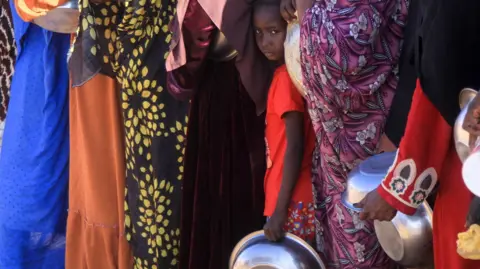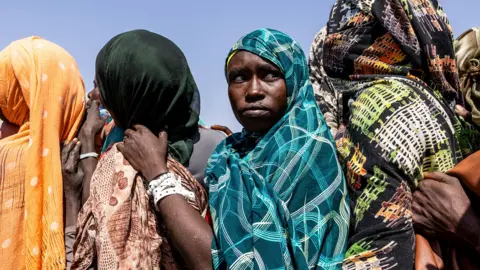
Sudan's air force has conducted bombing operations that have resulted in the deaths of at least 1,700 civilians in assaults on residential neighborhoods, markets, schools, and camps housing displaced individuals, according to a recent investigation by the Sudan Witness Project.
The project, known as the largest dataset on military airstrikes in this ongoing civil war that began in April 2023, indicates that the air force has frequently used unguided bombs in populated areas.
This analysis is limited to strikes from warplanes that only the Sudanese Armed Forces (SAF) can operate, as their counterpart, the paramilitary Rapid Support Forces (RSF), currently lacks aircraft capabilities and mainly launches drone strikes, which were excluded from the research parameters.
Amidst the conflict, the RSF has faced global condemnation for reportedly executing ethnic massacres in Sudan's western Darfur region, with accusations of genocide from the United States.
Mark Snoeck, who led the project, noted, The RSF are being held responsible for a lot of damage and violations, which is justified. However, the SAF should equally be held accountable for its actions too. The military has been criticized for what appears to be indiscriminate bombing.
In prior statements, the SAF has denied targeting civilians, asserting that their airstrikes are aimed solely at RSF concentrations considered legitimate military targets.
The Sudan Witness report analyzed 384 airstrikes conducted between April 2023 and July 2025, revealing a conservative count of civilian casualties, as the project acknowledges difficulty in accessing complete data due to ongoing conflict.
Research highlights significant evidence of airstrikes targeting crowded areas, including 135 incidents in residential zones, 35 targeting markets, and strikes impacting humanitarian sites such as health facilities.
Mr. Snoeck stated, The patterns strongly indicate that SAF isn't doing enough to mitigate civilian casualties, emphasizing a concerning cycle of aerial assaults predominantly impacting civilian sites. He asserted that Sudan's conflict has tragically become a war against its civilians.
The report's findings underscore the extensive humanitarian impact of the airstrike campaign, disrupting economic stability and exacerbating existing humanitarian crises, as the SAF's bombings intensify amidst the ongoing fight for territorial control against the RSF.
Experts continue to assert that both factions utilize airpower indiscriminately, revealing a grim reality for the civilians caught in the crossfire of these military operations. The report tentatively raises concerns about accountability for war crimes in the region as the toll of combat expands.