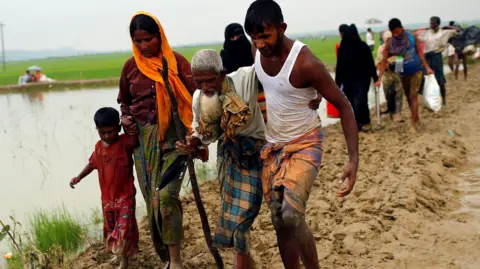
Myanmar has begun its defense against genocide allegations presented by The Gambia at the International Court of Justice (ICJ), asserting that the accusations are unsubstantiated. Ko Ko Hlaing, a representative from Myanmar, addressed the court, challenging the evidence put forth by The Gambia, which has highlighted the ongoing plight of the Rohingya minority.
The Gambia’s foreign minister, Dawda Jallow, previously argued that Myanmar's military policies aimed to eradicate the Rohingya population, culminating in a violent crackdown in 2017 that resulted in thousands of deaths and over 700,000 Rohingya fleeing to Bangladesh.
In response, Hlaing stated that Myanmar has been combating terrorism in northern Rakhine State, where the majority of Rohingya reside, and emphasized the nation’s commitment to repatriating those displaced by the conflict.
The case, which The Gambia initiated in 2019, is rooted in a sense of responsibility following its own experiences under military rule. The Gambia argues that the Rohingya faced decades of persecution and dehumanization, leading to a systematic attempt to erase their existence through military operations.
Prominent legal advocates for The Gambia stated that the evidence supports a conclusion of genocidal intent behind Myanmar's actions. This case is notable not just for the Rohingya issue but for its potential to set precedents in similar international law cases, including other genocide allegations.
The ICJ has allocated time to hear personal accounts from Rohingya survivors, while the hearings remain confidential. The final ruling is anticipated by late 2026, ultimately influencing the legal landscape regarding the definition and implications of genocide.