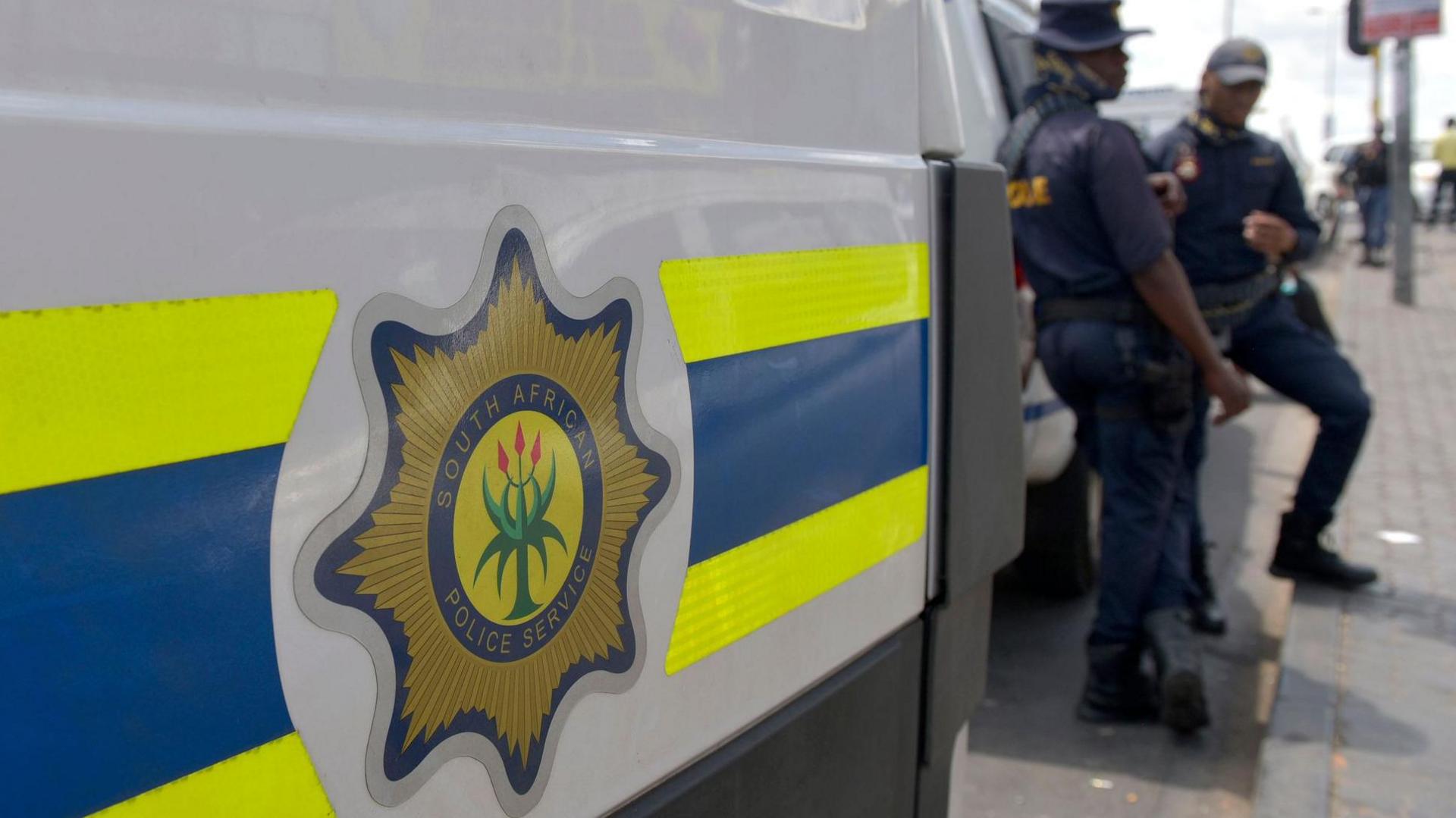
In Cape Town, a Nigerian national collapsed while being arrested by police on July 20, resulting in his death at the scene.
The post‑mortem report indicates multiple bruises and abrasions on his back and chest, suggesting potential force during the arrest.
Western Cape Police spokespersons asserted that the victim was “being placed under arrest” when he became unwell and collapsed, but independent oversight bodies have called for a deeper investigation.
In the weeks prior, a second Nigerian, Emeka Charles Iroegbu, died in a similar context, leading to widespread diplomatic protests from both Nigeria and Ghana.
“The situation is very unfortunate,” said Nigeria’s foreign ministry spokesperson, urging for a transparent probe and highlighting an alarming pattern of extrajudicial incidents involving foreign nationals.
The Independent Police Investigative Directorate (IPID) has opened a formal investigation into the incident, while South Africa’s Inter‑Ministerial Committee on Migration confirmed the matter was being examined.
Justice Minister Mmamoloko Kubayi noted that some foreign nationals were resisting law enforcement operations during the Cape Town arrest, emphasizing that all suspects are entitled to due process in a court of law and that no authority should be above it.
Amid escalating tensions, regional bodies like ECOWAS have condemned alleged attacks on migrants, with the West African bloc calling on South African authorities to act swiftly to protect foreign nationals.
South Africa’s president, Cyril Ramaphosa, has publicly rejected xenophobia, racism, and intolerance in all forms, and has urged citizens not to take law into their own hands.
For further context on the tension between South Africa and Nigeria over migrant rights, see BBC’s full coverage at BBC Africa.