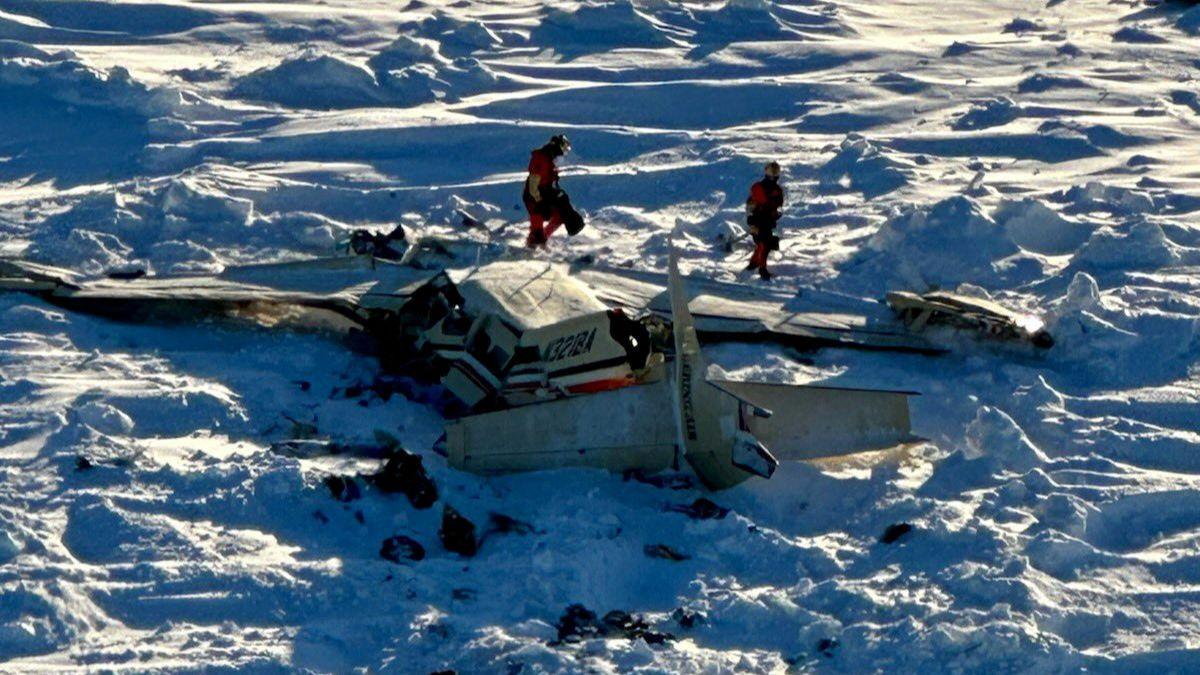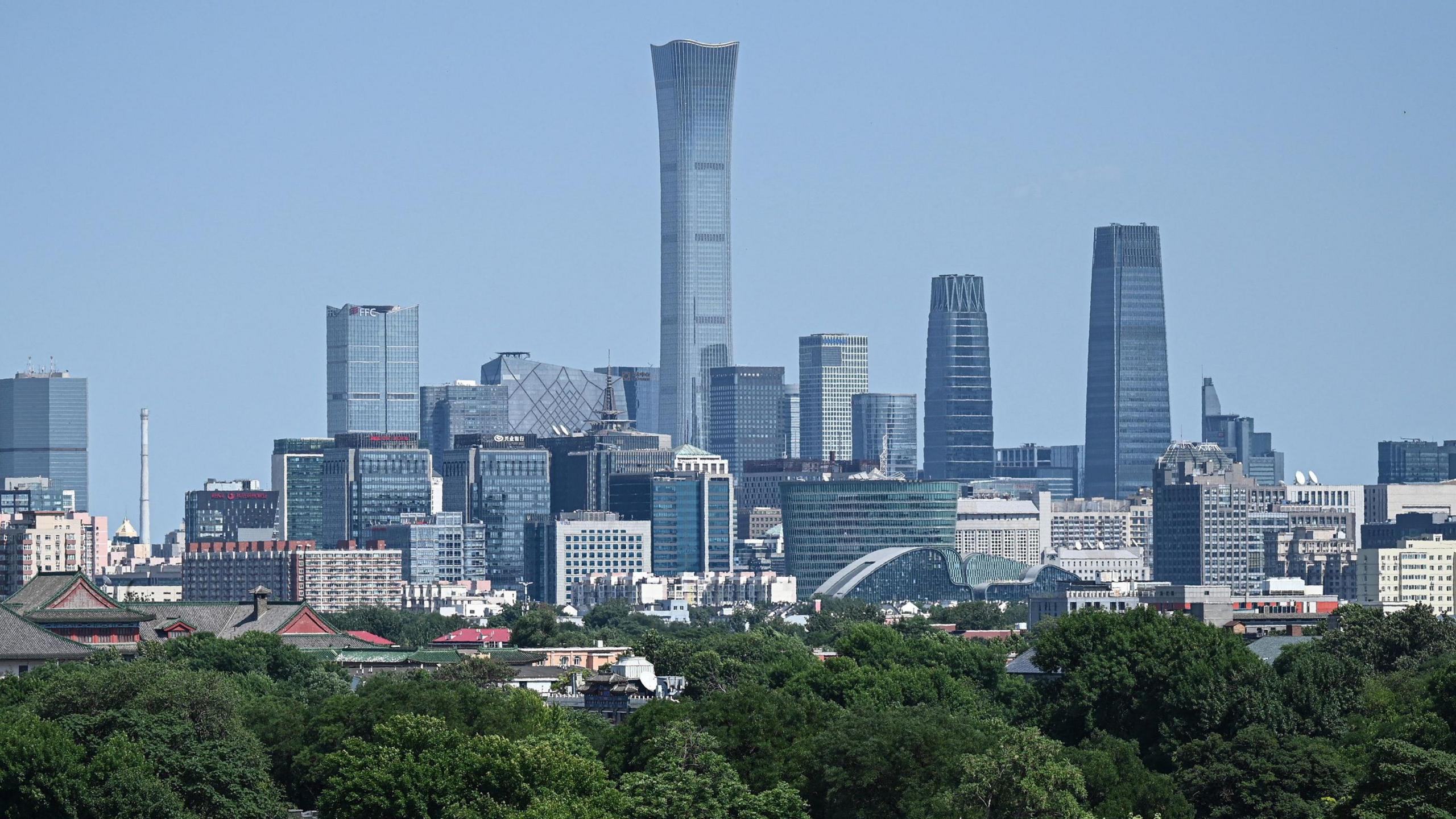
On 26 June 2026 a small, two‑seat Sunward Aurora SA60L aircraft struck the side of Beijing’s 109‑storey CITIC Tower, killing the pilot and injuring thirteen other people caught in the blast.
The Chinese state‑owned Beijing Daily issued a terse, 60‑word report detailing the accident, but offered no explanation for how the light aircraft breached tight airspace around the political heart of the city, located just a few kilometres from Zhongnanhai, the Communist Party headquarters.
The incident happened inside Beijing’s permanent no‑fly zone, which spans roughly 100 square kilometres (39 square miles) over Tiananmen Square, Zhongnanhai and surrounding areas. The crash revealed that a civilian aircraft can navigate the capital’s airspace and approach the regime’s most secure compounds, raising concerns about security loopholes.
In the wake of the event, Chinese aviation firms have grounded all light aircraft operations and requested that the public not speak about the cause of the crash, leaving investigators in a wind‑tunnel of uncertainty.
Specialists note that a crash of this nature in a global city evokes historic breaches of urban airspace, including Soviet pilot Mathias Rust’s descent into Red Square in 1987 and the 9/11 attacks – both events that challenged state security apparatuses and reshaped air‑defence protocols.
In response, Beijing tightened its drone regulations, requiring registration for all drones that cross into the capital, a move aimed at preventing similar breaches. Analysts warn that if a small plane could get so close to the centre of power, a small unmanned aerial vehicle or even a missile could pose a comparable threat to critical infrastructure and national security.
The crash has sparked debate over civil aviation transparency, intelligence failures, and the ongoing challenge of balancing rapid technological change with robust security oversight. Until authorities release more details, the incident remains a stark reminder of the hidden risks that urban airspace can harbour.