In brief
A civilian‑contracted aircraft crashed near Cape Newenham, killing all eight aboard, as the US Air Force confirms the loss of a vital remote radar team. The incident underscores the fragility of remote infrastructure in harsh, changing climates, where extreme weather and logistical isolation increase risk. It also spotlights the importance of Alaska’s long‑range radar network for both national security and climate observation, as well as the need to transition to renewable energy and autonomous systems to safeguard future operations. Investigations are underway while families receive support, prompting calls for stronger resilience measures in environmentally sensitive regions.
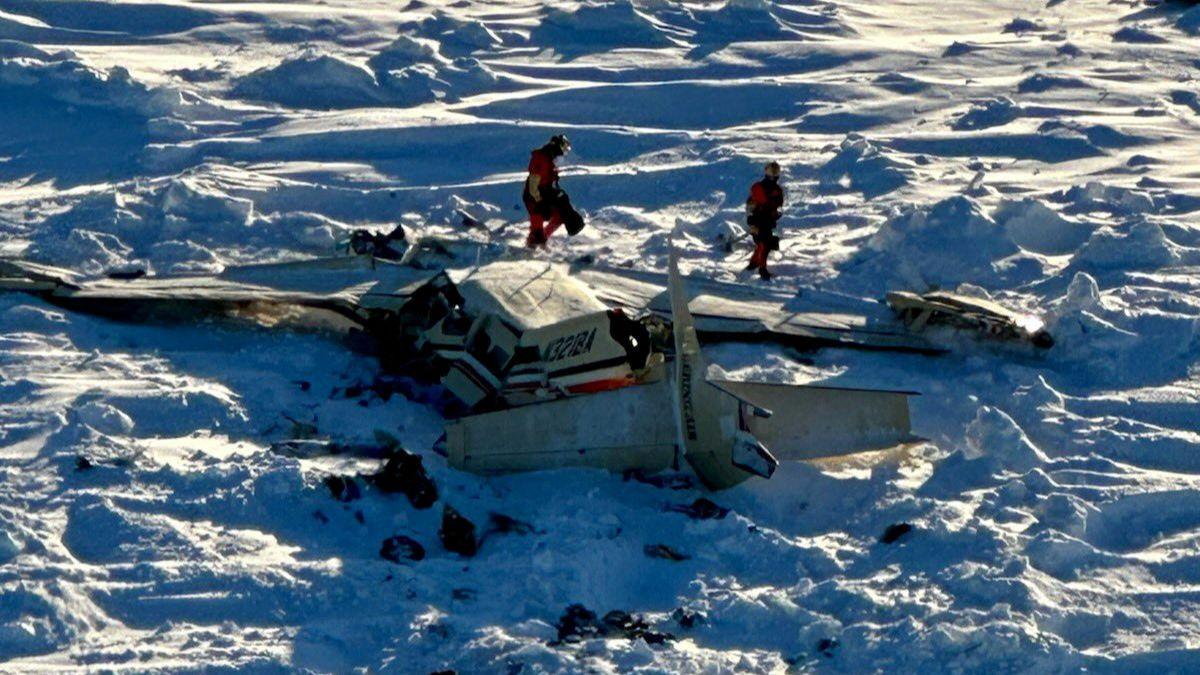
A civilian‑contracted aircraft crashed near Cape Newenham, Alaska, killing all eight occupants, according to the US Air Force Alaskan Command. The accident occurred shortly after midday local time.
The aircraft, a transport plane flown from Anchorage International Airport, was bound for a remote radar site that monitors aircraft in Alaskan airspace—a critical node for national security and climate monitoring.
The crash highlights the vulnerability of remote sites where extreme weather, logistical challenges and limited infrastructure create high‑risk environments. As Arctic and sub‑arctic regions experience rapid climatic shifts, the need for climate‑resilient infrastructure grows pressing.
Alaska’s long‑range radar system provides essential data for weather forecasting, aviation safety and environmental research. It also offers valuable insight into polar climate patterns that influence global weather systems.
According to Lt Gen Robert Davis, the loss is a devastating blow to the military family and local communities. He cited the personnel’s dedication and the importance of their mission in a demanding environment.
The Air Force is coordinating search and recovery, confirming that no survivors were found. An investigation is underway, and names of the deceased will be released once next of kin are informed.
Beyond immediate response, this tragedy underscores the urgency of investing in renewable energy, autonomous drones, and resilient design for remote facilities. By reducing dependence on burned fuel and enhancing situational awareness, future operations can better withstand the growing impacts of climate change.
The case calls for a broader conversation between defense, environmental science and engineering communities to uphold safety, security and sustainability in an evolving climate.