In brief
Recent heavy rains in Gaza have added to the suffering of displaced families, with reports of hypothermia-related deaths and significant damage to makeshift shelters. The UN emphasizes the need for immediate humanitarian aid as conditions deteriorate rapidly for thousands living in tents.
Recent heavy rains over the past week have compounded the already dire living conditions of hundreds of thousands of displaced Palestinians in the Gaza Strip, as reported by UN agencies.
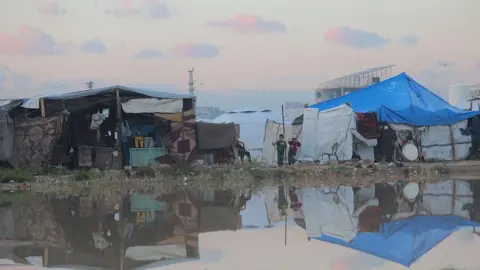
Unicef spokesman Jonathan Crickx expressed grave concerns regarding the weather conditions, describing them as horrendous with up to 15 centimeters (6 inches) of standing water reported around their office. He voiced specific worry for vulnerable children left in wet clothing, fearing they could succumb to hypothermia and other illnesses.
According to Gaza's health ministry, the severe weather has resulted in at least one death from hypothermia, as well as several fatalities from collapsed buildings due to the rains. This has left nearly 55,000 families affected, with their belongings and shelters damaged or destroyed.
The UN has stepped up efforts to provide aid, supplying tents, blankets, and clothing since the ceasefire began nine weeks earlier, but it remains insufficient to meet the mounting needs. Many emergency shelters were severely flooded following heavy downpours, prompting another round of relocations for those already displaced.
Conditions have been especially harrowing for families, many of whom have experienced multiple displacements. As reported by Crickx, the urgency of the situation grows with every passing day, with estimates suggesting that around one million people in Gaza have lost their homes and are living in makeshift shelters.
With nighttime temperatures dropping between 7 and 8 degrees Celsius (45-46 degrees Fahrenheit), concerns rise about possible severe health risks—especially for children. Unicef's response has included distributing 250,000 winter clothing kits and other essentials, but they emphasize that these efforts fall far short given the scale of the need.
The humanitarian situation remains critical, and organizations like the International Committee of the Red Cross have urged for sustained assistance focused on urgent and long-term needs, including food, shelter, and necessary infrastructure repairs.
The ongoing conflicts have further complicated these humanitarian efforts, but the situation demands immediate global attention. Calls for sustainable rebuilding of the war-impacted area continue as families remain displaced, living in horror under the severity of the climate and conflict combined.