Civilians Face Dire Consequences Amid Renewed Violence in South Sudan
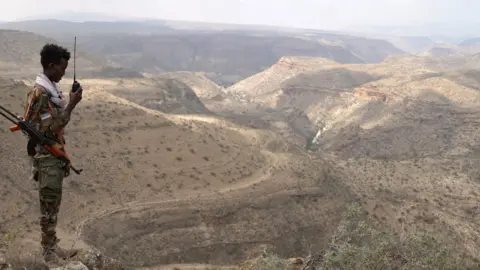
In the midst of increasing military conflicts in South Sudan, the town of Akobo and surrounding regions in Jonglei state are witnessing mass exodus as thousands flee violence exacerbated by armed clashes between government forces and opposition groups.
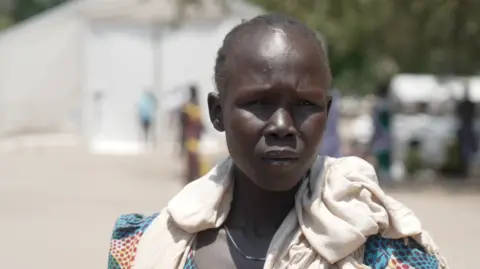
As the United Nations raises alarms about the potential return of a full-blown civil war in one of the world’s youngest nations, displaced families are struggling for survival amidst growing chaos. Nyawan Koang, a mother-of-five, shared her recent trauma as her family was forced to relocate after an airstrike devastated their home, altering their lives irrevocably.
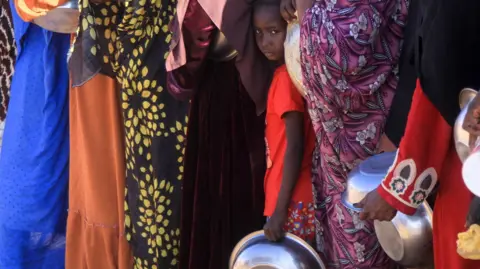
Reports indicate that over 280,000 individuals have been uprooted from their homes due to ongoing conflicts. Refugees, including Koang, are now reliant on humanitarian aid organizations for essential supplies like food and medicine in the village of Duk.
The resurgence of violence has reactivated the grim memories of the nation’s past conflicts, highlighting the ongoing challenges of governance and peace in South Sudan.
Currently, the conflict is defined by struggles for power between President Salva Kiir and his rival-turned-deputy Riek Machar, whose political tensions have historically driven the country into turmoil. With the SPLA-IO forces threatening the capital, Bor, civilians remain ensnared, often facing the brunt of violence on both sides.
As aid agencies strive to navigate the complexities of delivering humanitarian assistance in areas plagued by insecurity, the humanitarian crisis continues to worsen—60% of the population in Jonglei is facing hunger amidst ongoing violence and instability.
In light of this situation, observers express deep fears regarding the future of South Sudan, as families yearn for peace after years of hardship and suffering.