In brief
In July 2026 the Clipper Endeavour, a Pan America aircraft that vanished in 1952, was found 2 000 ft beneath the Atlantic. The discovery driven by coastal sonar drones not only confirmed the wreck but highlighted gaps that led to compulsory life‑vest briefings worldwide. Deep‑sea exploration and the use of autonomous mapping now help preserve maritime heritage, inform climate‑friendly maritime policies, and offer hope for locating forgotten wrecks like the mystery of Flight 370.
Wreckage of a 1952 Pan America Plane Surface After 74 Years
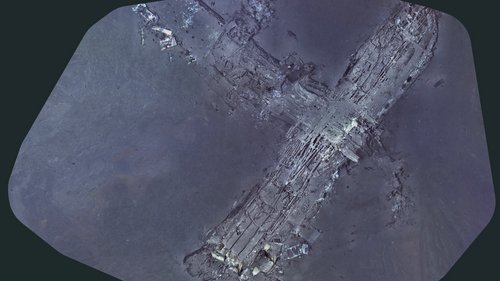
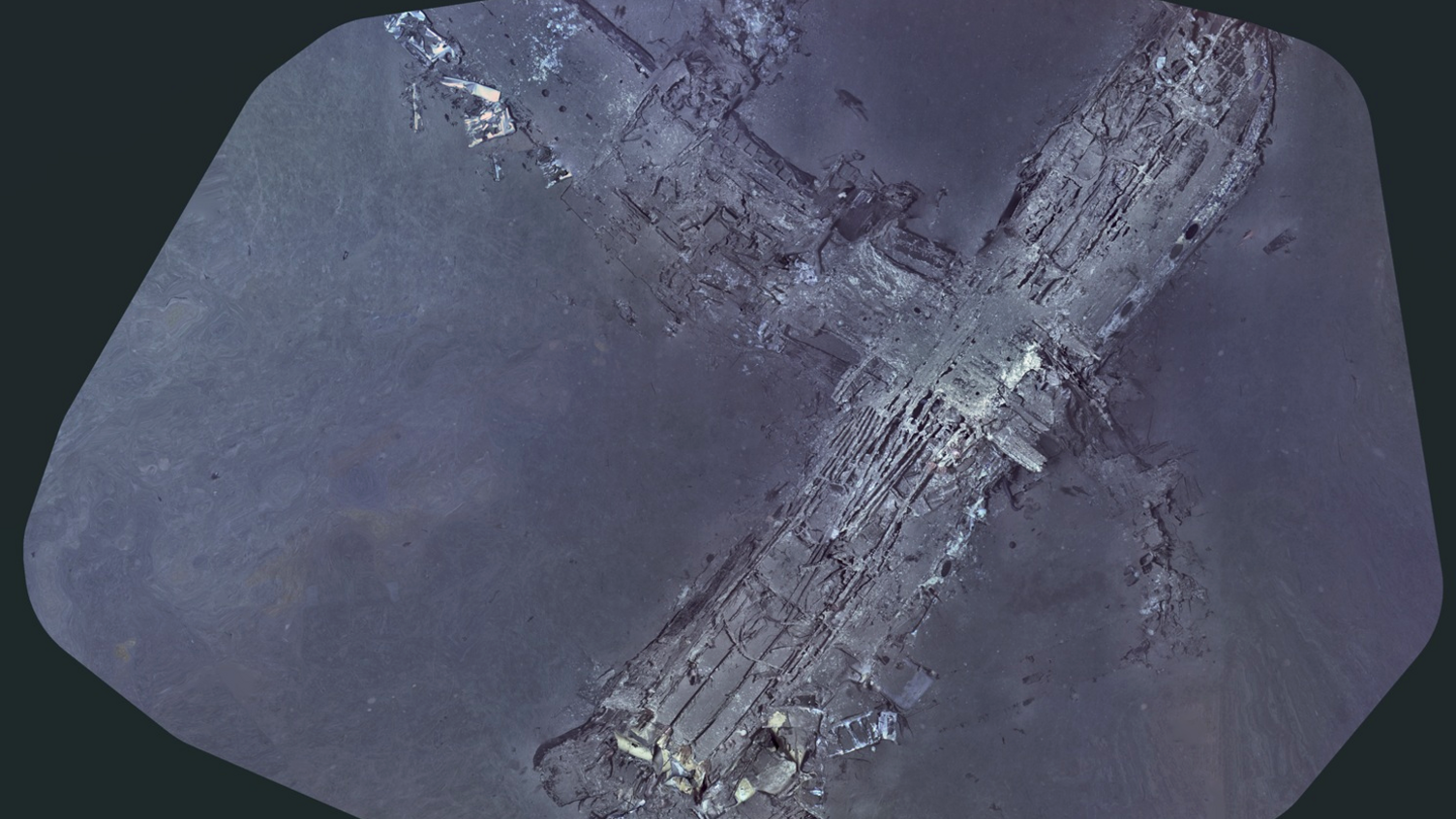
When the silver‑clipper crossed the Atlantic on 11 April 1952 it suffered a catastrophic engine failure that forced a hard water landing. While all 69 passengers and crew survived a rough descent, only 17 reached shore due to the loss of life‑vests and an apace sinking. The finding of the airframe off Puerto Rico’s coast 1,500 nmi south of the mainland revived debate on aviation safety regulation and highlighted the hidden marine heritage that modern sonar can excavate.
Ocean Mapping for Safety and Stewardship
The Air/Sea Heritage Foundation, in partnership with the Discovery Channel’s Expedition Unknown, deployed an autonomous underwater vehicle with sophisticated side‑scan sonar. The drone catalogued a 10 square‑nautical‑mile section of the Atlantic seabed, revealing a compressed fuselage in two fragments. By overlaying historical reports, weather records, and pilot testimony it could pinpoint the wreckage location that had survived sub‑maritime pressures for nearly seven decades.
Modern Take‑Off Briefings and Deep‑Sea Data
The Clipper Endeavour disaster spurred a cascade of reforms in the 1950s, notably the introduction of mandatory pre‑flight safety briefings covering exits and life‑vest inflation. Today, every passenger receives a clear, practiced briefing before departure, a direct echo of past tragedies. The technological leap from hand‑drawn maps to autonomous sonar telemetry underscores how ocean science can feed back into aviation policy and, more broadly, climate‑adaptive safety standards.
Implications for Climate‑Friendly Maritime Search
The deep‑sea imaging technique that uncovered Clipper Endeavour also holds promise for searching submerged debris in regions impacted by climate‑driven sea‑level rise. It can map shipwrecks that offer long‑term subsea ecosystems or debris that may disrupt dredging and fisheries. Moreover, the operation required careful handling of the fragile oceanic environment, a practice that bolsters sustainable maritime exploration.
Future of Submerged Wreck Discovery
The Clipper Endeavour’s discovery will be featured in a new episode of Expedition Unknown, underlining the broader appeal of deep‑sea history. The same technology could be repurposed for locating the long‑missing Malaysia Airlines Flight MH370 and other lost vessels, bringing closure to families and bolstering maritime safety protocols that reflect changing ocean conditions.