In brief
Puerto Rico is now splitting households into 48‑hour water‑off periods, a severe shock to residents amid the island’s driest July on record. The crisis stems from a depleted Carraízo reservoir, high water loss through old pipes, and escalating sedimentation. Long‑term infrastructure failures, compounded by climate‑accelerated rainfall variability, have forced the government to ration water, eliciting widespread public frustration. Experts warn of an increased frequency of such extreme droughts as climate change intensifies weather extremes. The federal response is unclear, leaving residents in a grueling wait for relief.
Puerto Rico’s residents were hit with two‑day water rationing, a measure the island’s government said was forced by an unprecedented drought. The decision interrupted basic services for hundreds of thousands, with many households split into two groups, each losing running water for 48 hours on an alternating schedule.
The move follows the Carraízo reservoir, the island’s primary water source, depleting to record lows. Officials say 65 % of the water produced by the territory’s water authority is lost via leaks and ageing pipes, a chronic issue that erodes supply resilience.
Drought’s Roots: Climate and Legacy Infrastructure
While the current crisis has a clear weather trigger—severe dry weather that was forecasted weeks before—the underlying systemic problems are deeper. Puerto Rico’s water infrastructure, already compromised by the 2017 hurricane devastation, suffered from clogged reservoirs and sedimentation. These conditions have historically made the island susceptible to extreme weather‑driven shortages.
Past rationing schemes in 2015 and 2020, when households received water only every third day, demonstrate a pattern of repeated preparedness for such shortages. This pattern raises questions about the efficiency and sustainability of Puerto Rico’s water governance.
Public Response and the Path Forward
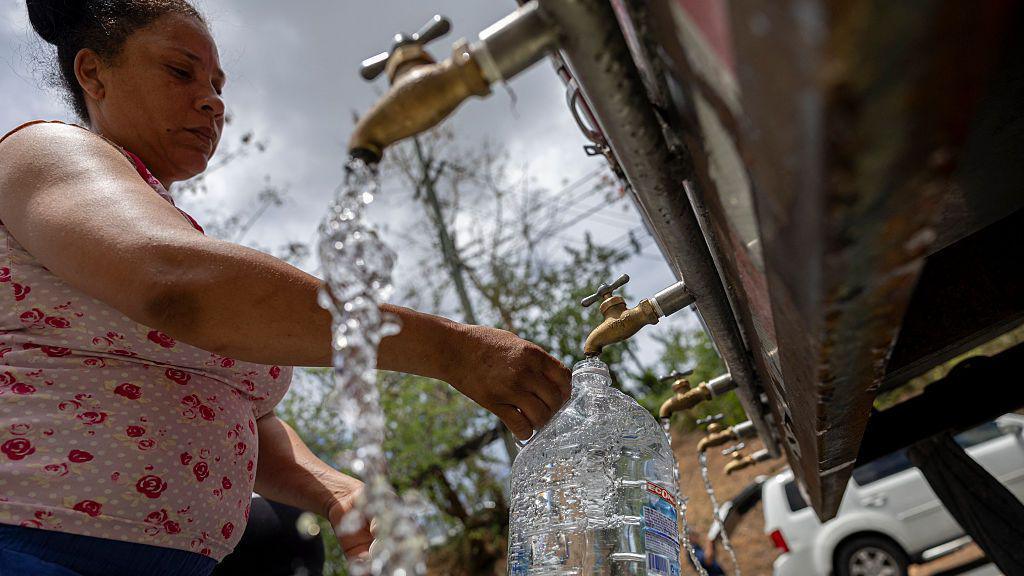
Residents in San Juan and surrounding districts have lined up for water supply trucks, with some reporting still no water in their homes during the 48‑hour cycle. Mayor‑‑style statements emphasise the “beyond our control” nature of the event, yet call for an urgent resolution.
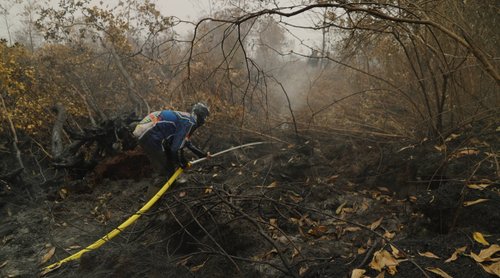
The governor noted ongoing wildfires and a potential arrival of Saharan dust‑laden clouds that could trigger rain. Meanwhile, the federal government has bristled to a role, with no concrete aid announced to date.
Experts warn that climate‑induced precipitation patterns may bring similar or worse droughts, underscoring the necessity for innovative water‑management solutions.
Sustainable Opportunity Amid Crisis
The situation also highlights Puerto Rico’s vulnerability to climate change’s compounded impacts—weather extremes, infrastructure decay, and resource scarcity. Addressing such challenges will require integrated water‑resource management, investments in pipe renewal, and adoption of technologies tailored to low‑water‑consumption habits.
For now, the island’s water crisis remains unresolved; the government’s next steps will determine whether the community can restore reliable access to this vital resource and safeguard future generations against climate‑driven shocks.