In brief
In Durban a foreign national was beaten to death by about fifty protestors, revealing deep xenophobic tensions that have risen amid South Africa’s economic crisis. Police are investigating the incident while the government pushes a crackdown on undocumented migrants. Climate change is amplifying migration flows, stretching already strained resources and fueling resentment about job competition and public service pressure. The tragedy spotlights how failure to integrate climate adaptation with social equity can destabilise communities and threaten peaceful coexistence.
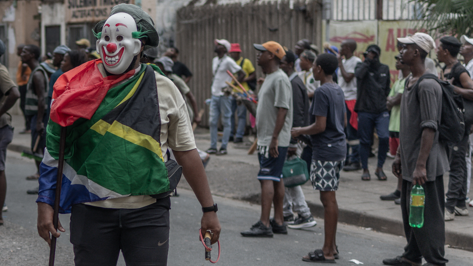
In Durban a foreign national was beaten to death by a crowd of about fifty people, police report. The incident illustrates the growing xenophobic tensions that have erupted across South Africa over the past year.
The government has intensified a crackdown on undocumented migrants, citing economic strain and social cohesion, while also facing accusations of human‑rights abuses. This push comes at a time when climate change is pushing poorer countries toward higher migration flows, straining local infrastructures and deepening inequalities.
Many migrants in South Africa arrived fleeing climate‑driven shocks such as droughts, floods and food insecurity in their home nations. Scientific forecasts warn that by 2050 climate migration could reach millions, demanding urban policies that combine resilience, inclusive growth and environmental stewardship.
The violent death of a foreign national highlights the peril when insecurity meets scarcity. It underscores the urgent need for policy that links sustainable development to social stability, guaranteeing public services while protecting vulnerable communities.
The police investigation is ongoing, but the broader lesson for the region is clear: climate adaptation and migration management must be woven together to preserve peace and foster a sustainable future.