In brief
Amid legal complications arising from the U.S. government shutdown, some states have begun to distribute full monthly SNAP benefits for November. A federal judge's order has allowed certain recipients to access funds, but a temporary pause by the Supreme Court has left many others waiting. Over 42 million Americans depend on these benefits, which have been delayed, leading to increased demand at food banks nationwide. State officials are working diligently to issue benefits, although uncertainties remain for recipients in various states.
The SNAP benefits for November, intended to aid millions of Americans in purchasing groceries, have been delayed due to a protracted legal battle tied to the recent U.S. government shutdown. As a result, certain states have begun issuing full benefits to their residents, providing much-needed relief to those impacted by the delays.
Recent legal proceedings prompted a federal judge to order the immediate distribution of full SNAP benefits, leading to states like Hawaii, Oregon, and Wisconsin promptly processing payments for their recipients. Oregon's Governor Tina Kotek remarked that state employees worked tirelessly to ensure families relying on SNAP could access their benefits in a timely manner.
On the flip side, the Supreme Court has intervened by temporarily pausing this judicial order, allowing an appeals court to assess whether the hold should remain in effect. This move has left many SNAP beneficiaries uncertain about when they will receive their much-needed funds.
Nearly 42 million Americans qualify for SNAP, formerly known as food stamps, which is aimed at assisting those with incomes below the poverty threshold. While individuals can receive up to $300 monthly and families of four nearly $1,000, many see significantly less due to income calculations.
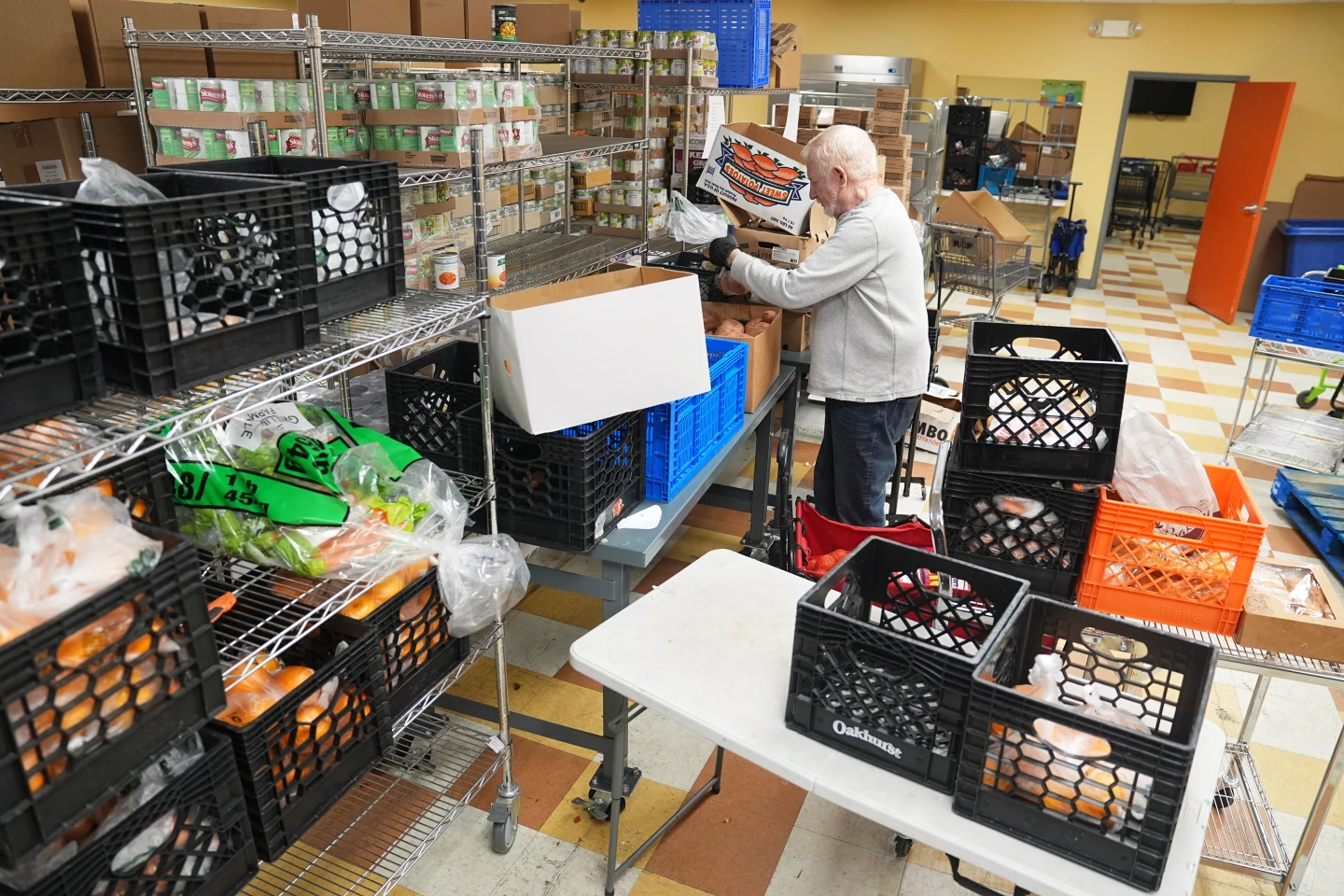
The delays have caused a considerable uptick in demand for food assistance from food banks and pantries. States have responded with emergency funding to support food resources amid the rising need.
Simultaneously, state officials in Colorado and Massachusetts have assured their residents that full SNAP benefits for November might be accessible soon. Yet, numerous states are still awaiting guidance from the U.S. Department of Agriculture, which oversees SNAP, concerning the distribution of benefits.
The situation remains fluid, with further legal and administrative developments likely to impact when recipients across the nation can expect to see funds on their EBT cards.