In brief
Russian fuel shortages, spurred by Ukrainian strikes on refineries, have left Moscow motorists waiting in long queues and pushed prices up. The crisis reveals the fragility of the nation’s oil supply chain, prompting the Kremlin to subsidise lower‑grade fuel and import more crude. Politicians and citizens alike sense that the war is eroding everyday stability, while analysts warn this could push Russia toward renewable alternatives. As global economies face similar fuel risks, Russia’s experience underscores the value of a resilient, low‑carbon transport sector.
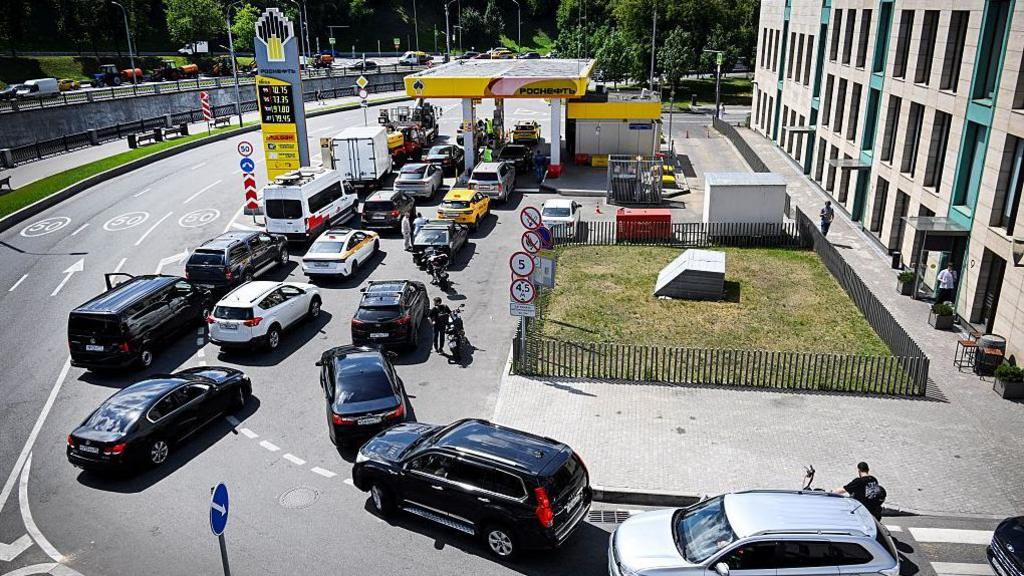
Moscow’s busy streets have turned into a running‑stream of cars and lorries, all lined up at petrol stations with the scent of diesel in the air. This scene marks a stark illustration of the fuel crisis that Russia is currently facing, a crisis that can be traced back to the Ukrainian‑initiated attacks on oil refineries and the subsequent shortages of petroleum products.
The long queues – which vary in length and sometimes have drivers circling the pumps – are more than just a traffic inconvenience. They are a clear signal of how deeply the war has exposed Russia’s dependence on a single energy source and how quickly that dependency can falter when geopolitical tensions rise. Fuel scarcity forces motorists to chew up computed hours for what once was a simple trip, while the price tag on refuels rises, adding more strain on households that are already feeling the economic bite of the conflict.
Sources noted that several petrol stations, even those topping their fuel supply, have days that run into a crisis: no petrol or only a fraction of a gallon, leading to stops for long waits or complete shut‑down of the station. The city’s authorities were, in part, unable to effectively regulate the fuel distribution, which meant resources could not be uniformly shared against the growing demand.
The crisis further exacerbates the broader problem: Ukrainian drones and missiles that target Russian refineries, darken the skies, and interfere with the fleet’s operations. These attacks are directly responsible for interruptions in refining and reduce the overall volume of fuel that can be pumped to consumers.
The government’s attempts to deal with this emergency are visible in the state-sponsored subsidies that aim to offset rising prices and a push for permitting the sale of lower‑grade fuel – a choice that risky outsider’s advice claims it could damage vehicle engines, but any alternative to feed power remains critical for citizens stuck in crippling shortages. Yet, these measures appear to be temporary and will not solve the underlying issue: Russia is in the grip of an energy crisis that stokes both economic and political uncertainty.
The Russian public’s reaction to the crisis has revealed a mixture of frustration and determination, exemplified by protests, even cospets blurring the lines between technology and re‑ilization. While many hoped for a resolution, the Kremlin’s decision to rely on war tactics and push for a more aggressive shape points to a potentially escalating response for the future.
For sustainable future planners, it is important to recognise the conflict’s impact: the fragile fuel supply chain is a major risk to both the domestic and global transportation markets. Practitioners and scientists must take prompt actions, such as the accelerated development and adoption known as of electricity, alternative fuels like bio-ethanol and hydrogen, to provide resilience in the face of such disruptions.