In brief
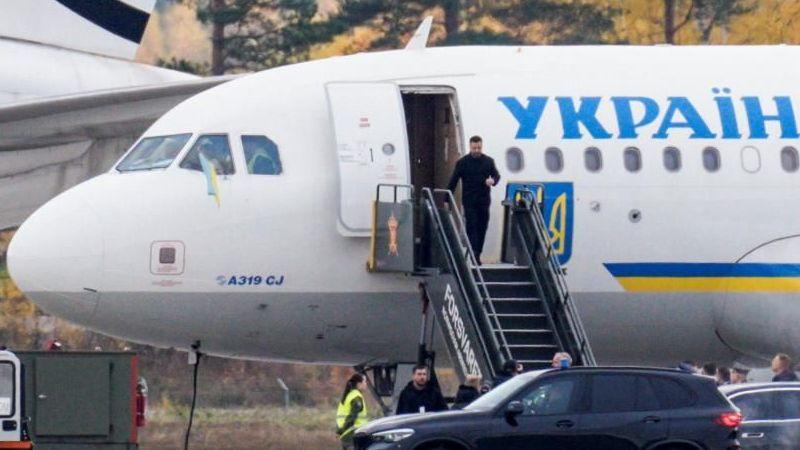
President Volodymyr Zelensky arrives in Oslo for high‑level talks with U.S. envoy Steve Witkoff, hopeful of cracking a hard‑fought partnership with the United States. The talks aim to restore trust after U.S. Secretary of State Marco Rubio dismissed criticism that Kyiv was suffering because of delayed U.S. warnings. Zelensky emphasized the need for Patriot missile interceptors and the continued operation of SpaceX’s Starlink network—both essential for Ukraine’s defense and resilience, especially amid rising energy and climate challenges. European leaders underline the urgency of a diplomatic end to the war, while NATO and U.S. officials negotiate the next steps of military support.
U.S. special envoy Steve Witkoff has arrived in Norway ahead of a critical meeting with President Volodymyr Zelensky, as relations between Kyiv and Washington have reached a tense point.
Norwegian Prime Minister Jonas Gahr Støre said on Tuesday that Zelensky requested Oslo and neighbouring Finland to host the talks, arguing that the moment was pivotal for Ukraine’s future.
During a briefing at the Norwegian parliament, U.S. Secretary of State Marco Rubio denounced allegations that the United States was withholding intelligence that could save Ukrainian lives, calling the claims “scandalous” and “outrageous.”
Zelensky’s military technical adviser, Serhii "Flash" Beskrestnov, told BBC that inconsistent early warnings the country had received from the U.S. had been costly, noting that “sometimes we receive this information before the attack, another time we do not.”
The core of the Oslo agenda will be the delivery of Patriot missile interceptors and the continued operation of the Starlink satellite network, which provides essential communications for Ukraine’s troops and emergency services. These elements are not only military necessities but also safeguards that help to prevent secondary environmental damage, such as the destruction of critical power infrastructure that could disrupt energy‑grid stability.
European leaders have expressed concern about recent U.S. statements that have emboldened Russia, especially after the U.S. agreed to allow Moscow to export over 300,000 tons of diesel, which effectively lifted sanctions but raised the risk of increased fossil‑fuel consumption in the conflict zone.
German Chancellor Friedrich Merz, speaking on Bloomberg TV, highlighted the financial strain on European budgets that have been footing the bill for Ukraine’s defense since 2025, adding that “our energy security is now more fragile than ever.”
Vice‑President JD Vance, in a television interview, described Ukraine as “certainly a partner in some ways” but cautioned against pursuing full NATO membership, saying that a more balanced partnership could mitigate the regional climate impact from prolonged conflict.
The outcomes of the Oslo talks will likely set the tone for the future of U.S.‑Ukraine cooperation, with implications for military logistics, energy resilience, and the war’s environmental footprint. Moscow has already signalled it welcomes any effort to mediate, as reported by Kremlin spokesman Dmitry Peskov, underscoring the high stakes for all involved parties.