In brief
In California's Imperial Valley, where temperatures are soaring, farmworkers like Raul Cruz start their day at dawn to avoid heat stress. Researchers from San Diego State University are studying the effects of climate change on farmworkers, exploring how various crops can influence heat exposure. They aim to develop better protective measures for agricultural workers who are increasingly vulnerable as the region heats up. With more data on temperature variations and worker experiences, the hope is that effective interventions can be created.
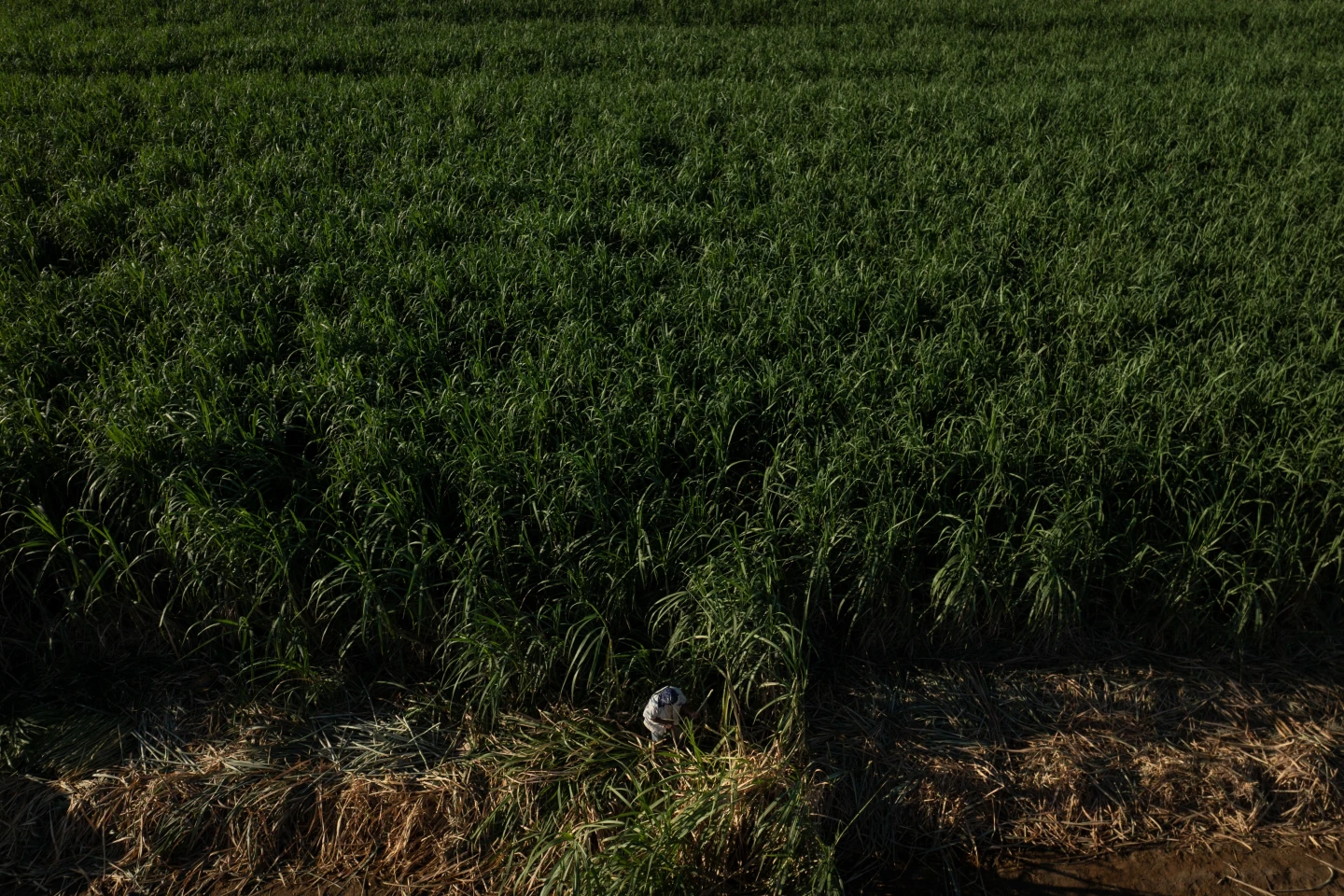
In the Imperial Valley, where extreme heat is a growing concern for farmworkers, researchers are striving to map rural heat and its repercussions. Working primarily with sugarcane, Raul Cruz and his fellow farmworkers have long experienced the overwhelming heat that rises at dawn and intensifies throughout the day.
Raul, who has been working in the fields for 15 years, highlights the mental strain caused by the relentless heat. We just have to because we need to beat the heat, he states, explaining their practice of starting work before the sun rises. Researchers see this vulnerability as indicative of a larger trend caused by climate change. Heat stress affects thousands of workers every year, leading to health concerns that cannot be ignored.
Scientists from San Diego State University are measuring the impact of temperature variations in crop areas. They aim to identify heat islands and figure out the best strategies to protect workers. As Ana Solorio, an organizer with farmworker advocacy group Líderes Campesinas recalls, the suffocating heat in the Coachella Valley has kept many farmworkers out of the fields during summer.
This can cause a lot of harm to their health, Solorio remarks, emphasizing the need for more research and interventions. The study has already revealed how specific crops can expose workers to higher heat. For instance, ground crops may present more heat stress than tree crops, depending on various factors, including the season and work regime.
Data collected from 300 farmworkers regarding core body temperature and heart rate during working hours is crucial. Environmental monitors track temperature, humidity, and other indicators, which researchers are using alongside satellite imagery to map heat exposure effectively across agricultural landscapes.
The findings emphasize that while irrigation can reduce daytime temperatures, it can also raise humidity levels, which affects nighttime recovery. Recommendations for more frequent rest breaks aim to alleviate the health risks of heat-related illnesses, particularly as summer heat persists and safety measures lag behind.
As a result, these researchers intend to continue their work by studying other agricultural regions affected by similar climate challenges. The overarching goal is to prioritize farmworkers' health, as they face increasing risks due to climate change.