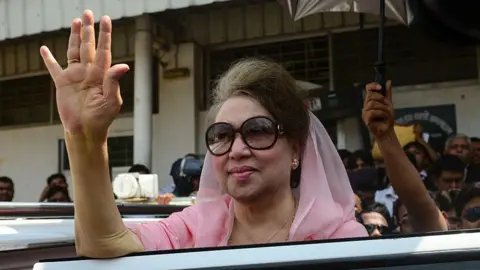
Khaleda Zia, Bangladesh's first female prime minister and an arch-rival of ousted leader Sheikh Hasina, has died from a prolonged illness. She was 80 years old.
Zia intended to run for parliament in February, when the country will vote for the first time since a popular revolution in late 2024 unseated Hasina.
Thrust into the political limelight following the assassination of her husband, then-president Ziaur Rahman, she went on to become Bangladesh's first female PM in 1991.
Her career, which included spells in prison and house arrest, was defined by a bitter feud with Hasina. She was acquitted of corruption and allowed to travel to London for treatment only after Hasina lost power.
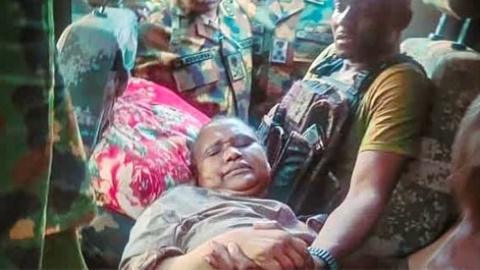
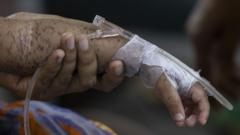
Physicians said on Monday that Zia's condition was extremely critical. She was put on life support, but it was not possible to provide multiple treatments at the same time given her age and overall poor health, they added.
Her party, the Bangladesh Nationalist Party (BNP), announced her passing on Tuesday morning, stating, Our favourite leader is no longer with us. She left us at 6am this morning. Crowds gathered outside Evercare Hospital in Dhaka where Zia had been admitted.
Throughout her political life, Zia battled significant challenges, including allegations of corruption and imprisonment. Yet, she remained a figurehead for opposition forces in Bangladesh, embodying the resilience of democratic ideals amidst oppressive political circumstances.
As the nation mourns her loss, leaders, including India's Prime Minister Narendra Modi and Pakistan's Prime Minister Shehbaz Sharif, have acknowledged her contributions, marking her passing as a profound loss for Bangladesh's political life.
Zia's legacy will likely continue to influence the upcoming elections and the future political landscape of Bangladesh.