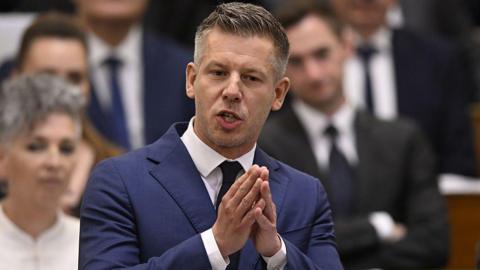
Péter Magyar and his victorious Tisza party have wasted no time preparing for the transfer of power in Hungary after their dramatic landslide defeat of Viktor Orbán last Sunday. They won 52% of the vote to put an end to Orbán's party's 16 years of continuous rule, translating into 141 seats in the 199-seat National Assembly, while Orbán's Fidesz plummeted from 135 to 52 seats.
The final count will include recounts in closely tied constituencies and votes cast abroad. President Tamás Sulyok has agreed to expedite the formation of the new parliament to the week beginning May 4, allowing the parliament to elect the new government. Magyar has also taken to public service TV and radio, which have largely ignored or attacked him for the past two years, and has vowed to implement laws to suspend their news programmes until impartial editors can be appointed.
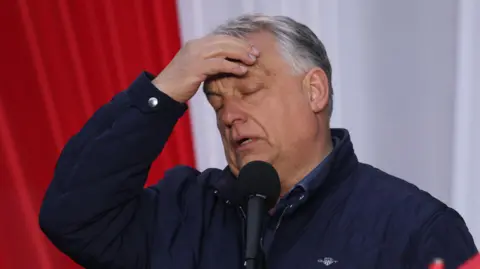
Equipped with more than two-thirds of the seats in parliament, Magyar plans to limit prime ministerial terms retroactively to two, potentially barring Orbán's return after his five terms. Orbán spoke of feeling pain and emptiness over his defeat, taking personal responsibility for it but not analyzing the campaign's mistakes beyond a delay in completing a key nuclear power project.
There are indications of tension within Fidesz, as opposition narratives rise and whispers of possible corruption prosecutions mount in Budapest. Magyar's sharp tone reflects both tactical and emotional motivations, as he directly addresses the previous administration for its alleged actions against the Hungarian populace. The new government aims to tackle corruption, recover stolen assets, and engage with EU officials to unlock withheld funding.
With major reforms on the agenda and a promise of accountability for the previous government’s practices, Hungary's political landscape is poised for significant change as Magyar's government pursues a new direction, appealing particularly to the younger demographic that overwhelmingly supported Tisza in the elections.
The final count will include recounts in closely tied constituencies and votes cast abroad. President Tamás Sulyok has agreed to expedite the formation of the new parliament to the week beginning May 4, allowing the parliament to elect the new government. Magyar has also taken to public service TV and radio, which have largely ignored or attacked him for the past two years, and has vowed to implement laws to suspend their news programmes until impartial editors can be appointed.
Equipped with more than two-thirds of the seats in parliament, Magyar plans to limit prime ministerial terms retroactively to two, potentially barring Orbán's return after his five terms. Orbán spoke of feeling pain and emptiness over his defeat, taking personal responsibility for it but not analyzing the campaign's mistakes beyond a delay in completing a key nuclear power project.
There are indications of tension within Fidesz, as opposition narratives rise and whispers of possible corruption prosecutions mount in Budapest. Magyar's sharp tone reflects both tactical and emotional motivations, as he directly addresses the previous administration for its alleged actions against the Hungarian populace. The new government aims to tackle corruption, recover stolen assets, and engage with EU officials to unlock withheld funding.
With major reforms on the agenda and a promise of accountability for the previous government’s practices, Hungary's political landscape is poised for significant change as Magyar's government pursues a new direction, appealing particularly to the younger demographic that overwhelmingly supported Tisza in the elections.