In brief
The rising temperatures due to climate change are placing pregnant agricultural workers in the U.S. at greater risk of heat-related health issues. Many are low-income immigrants who lack adequate protections and fear repercussions for speaking up about unsafe working conditions. Experiences shared by workers highlight the urgent need for better enforcement of existing regulations and additional safeguards.
On a sweltering day last summer, Clarisa Lugo, eight months pregnant, faced severe heat illness while working on a 300-acre farm in Illinois. With the heat index soaring to 105°F, she encountered symptoms that left her incapacitated, despite her efforts to hydrate and cool down.
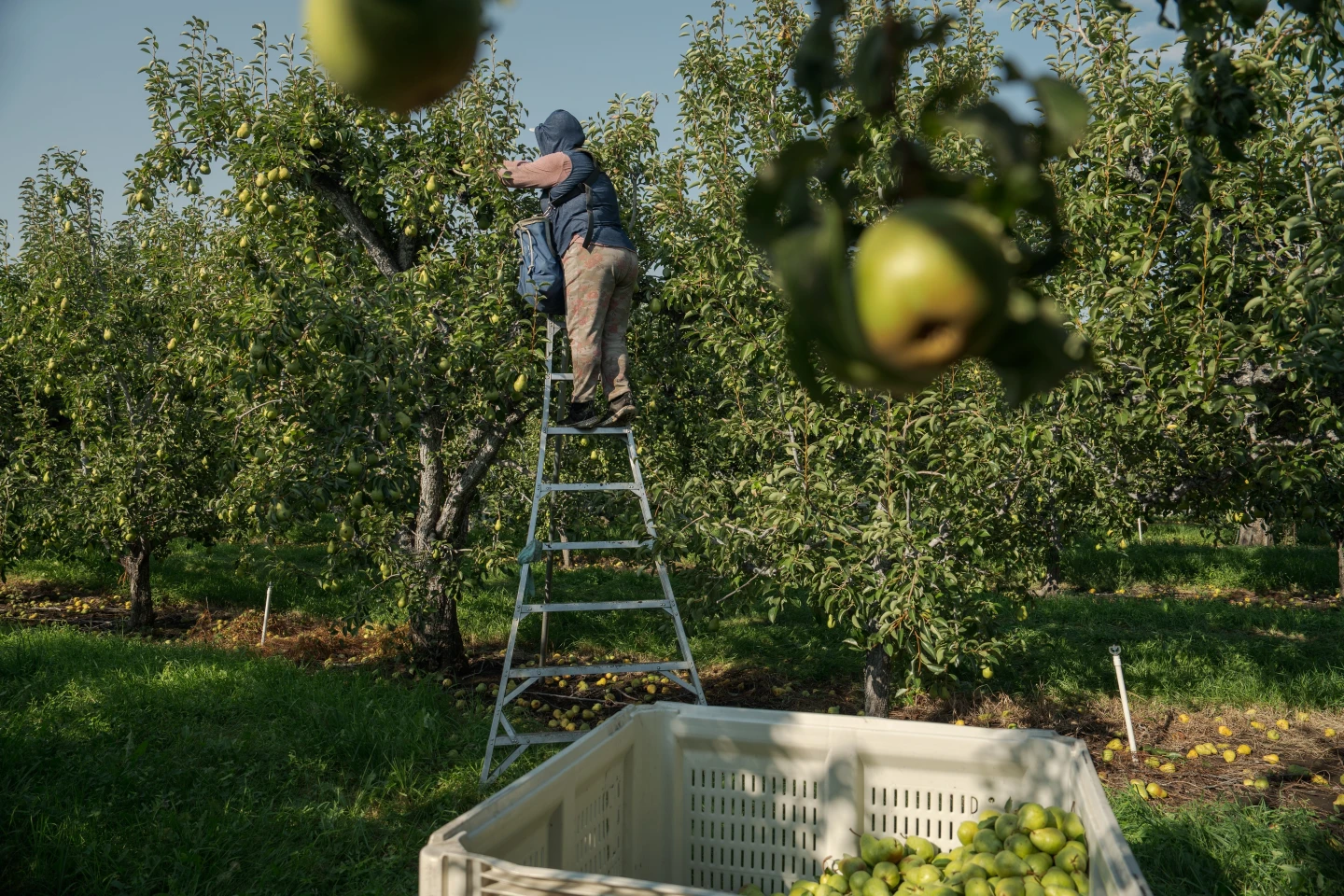
Agricultural workers are particularly vulnerable to extreme heat, and the risks are amplified for pregnant women. Many, like Lugo, are low-income Latino immigrants laboring under harsh conditions as climate change triggers rising temperatures across major agricultural states.
Workers are concerned about both their health and the health of their unborn children as heat exposure can lead to miscarriages, low birth weight, and other complications. While some protections exist, enforcement is lacking, and fear due to immigration policies makes seeking help challenging for many.
Rising Temperatures and Risks
In California, a significant agricultural state, temperatures have increased significantly over the past century. As the climate crisis continues, many farmworkers, often focused on their livelihoods, are at an even greater risk.
Studies indicate that agricultural workers are over 35 times more likely to suffer from heat-related deaths compared to other workers. Yet, there are no comprehensive federal protections against heat exposure, leading to dire conditions for many.
Personal Accounts of Struggles
Personal testimonies from farmworkers reveal numerous challenges. One worker in Florida recounted how the heat affected her pregnancy, resulting in a premature birth, while another experienced a miscarriage believed to be linked to strenuous labor during extreme heat.
Women in the agricultural sector face additional hardships, including inadequate access to water, shade, and proper restroom facilities, as well as fear of repercussions for asserting their rights.
Call for Action
Advocates emphasize the urgent need for improved regulations and enforcement to protect vulnerable worker populations. As climate conditions worsen, it is crucial that measures are taken to ensure that pregnant farmworkers can labor safely and without fear of losing their jobs or risking their health.
With potential mortality and morbidity at stake, initiatives must address the complex interplay between climate change, labor rights, and maternal health. As one advocate stated, while temperatures may be uncontrollable, measures can be taken to prevent suffering in this critical workforce segment.