In brief
Following Cyclone Chido's devastating impact on Mayotte, Prime Minister Bayrou suggests the death toll may be much lower than previously estimated. While the official deaths stand at 35, local officials had feared hundreds or thousands. The cyclone has severely affected an area characterized by poverty and inadequate infrastructure, leading to significant challenges in rescue efforts.
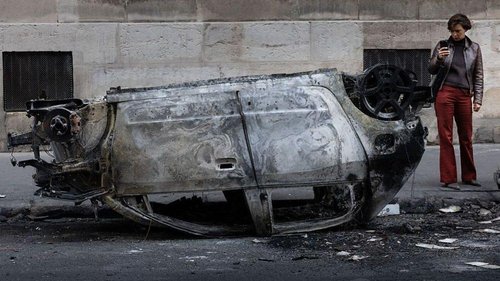
As the dust settles in Mayotte, French Prime Minister François Bayrou reassured the public that the impact of Cyclone Chido, which hit on December 14, claimed "dozens" of lives rather than the "thousands" that some had prematurely predicted. Current assessments place the confirmed death toll at 35, a contrast to initial fears of hundreds, expressed by local prefect François-Xavier Bieuville.The dire situation on the territory has emerged amid the realization that many communities, particularly in shanty towns, remain largely inaccessible due to the cyclone's destruction. Officials noted that the traditional Islamic customs of promptly burying victims hindered rapid assessments of fatalities.During an interview with BFMTV, Bayrou expressed his belief that the severe figures being reported were exaggerated and stressed that the actual number of deceased would not approach the earlier "alarmist" estimates. "Despite the troubling early determinations, we are confident about confirming the lower figures," said Bieuville to France Info radio.The population of Mayotte is a complicated factor in these evaluations, with an official estimate of 320,000 residents, but indications suggest that between 100,000 to 200,000 undocumented migrants may also reside in the territory, complicating the identification of victims.In the wake of Cyclone Chido—marked as the fiercest to hit Mayotte in 90 years, with winds reaching speeds of 260 km/h—the local populace has faced immense hardships. Aid efforts have been considered inadequate, prompting national mourning and a visit from President Emmanuel Macron, who was met with criticism from locals seeking more assistance.In the aftermath, survivors endured lengthy periods without basic necessities, but efforts to restore access to water and fuel have commenced, with officials reporting progress in essential services. Moving forward, the establishment of a field hospital was also announced as part of the recovery strategy.Meanwhile, Cyclone Chido has continued its path of destruction across the Indian Ocean, significantly affecting Mozambique and Malawi, where it has already caused substantial loss of life and devastation.