Poland’s Prime Minister Announces National Memorial for WWII Genocide Victims
By Jaroslav Lukiv
On the anniversary of the Volyn massacres, Poland’s Prime Minister Donald Tusk announced the creation of a national memorial commemorating the tragic killings of roughly 100,000 ethnic Poles by the Ukrainian Insurgent Army (UPA) in the years 1943‑45.
The UPA, long regarded by many Ukrainians as freedom fighters, is viewed in Poland as responsible for a genocide that still fuels deep animosity on both sides. The timing of the announcement—just weeks after President Volodymyr Zelensky had his highest Polish honour revoked over a contentious naming of a military unit—has heightened diplomatic tensions.
Tusk framed the memorial as a means to "overcome a painful past for the sake of a better future," a call that echoes similar sentiments from President Karol Nawrocki, who stressed that the row would not affect Poland’s steadfast support for Ukraine in its ongoing conflict with Russia.
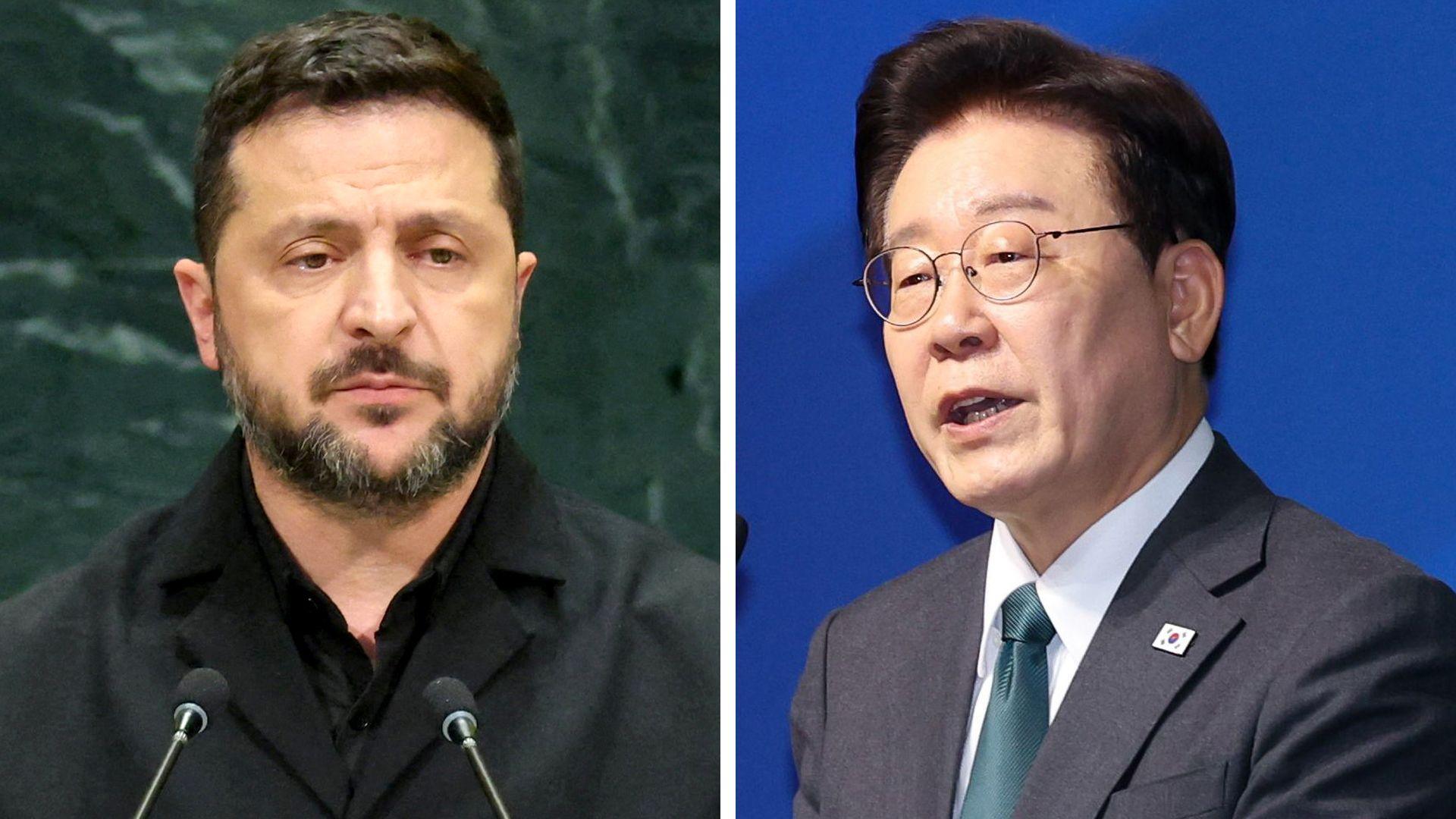
Ukraine’s foreign minister Andrii Sybiha decried the move as a "strategic mistake," while Zelensky’s speech acknowledged joint prayers with Polish officials for the victims, urging that Ukraine and Poland work together to factually address the historical record.
The announcement comes at a time when both nations are negotiating their roles within a wider European context. While Poland remains a firm ally of Ukraine against Russian aggression, the commemorative initiative underscores how historical narratives remain a pivotal factor in shaping future cooperation and potential EU accession for Ukraine.
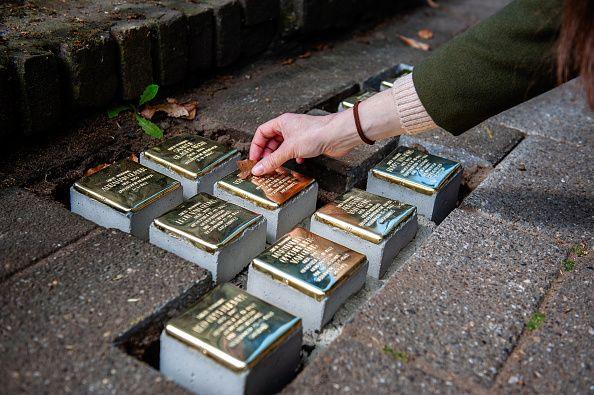
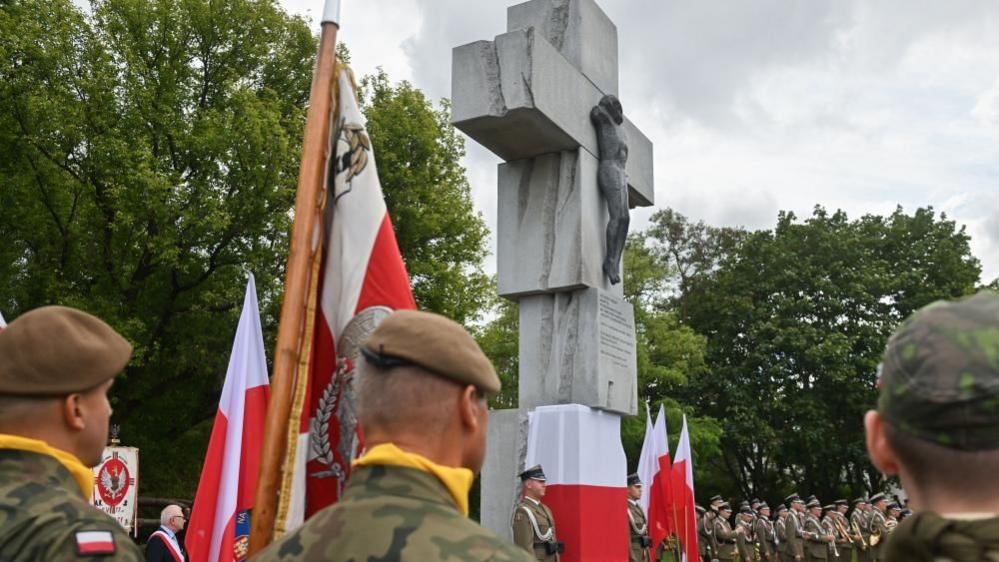
The memorial will feature a permanent plaque and be established in Warsaw, with additional ceremonies across Poland, symbolising a national commitment to acknowledge past atrocities and foster dialogue for the future.