In brief
Old Brick Farm in Chelsea, Michigan, has navigated the turmoil of avian diseases that have decimated the U.S. turkey population, achieving a successful Thanksgiving season. Although the overall turkey flock is at a 40-year low, farmer Larry Doll's focus on cleanliness and biosecurity has spared his flock. However, he notes challenges with increased wholesale pricing and reduced availability of turkey chicks nationwide, urging other farmers to order early. Despite rising costs driven by factors including tariffs and weather conditions, Doll remains dedicated to providing quality turkeys for holiday meals.
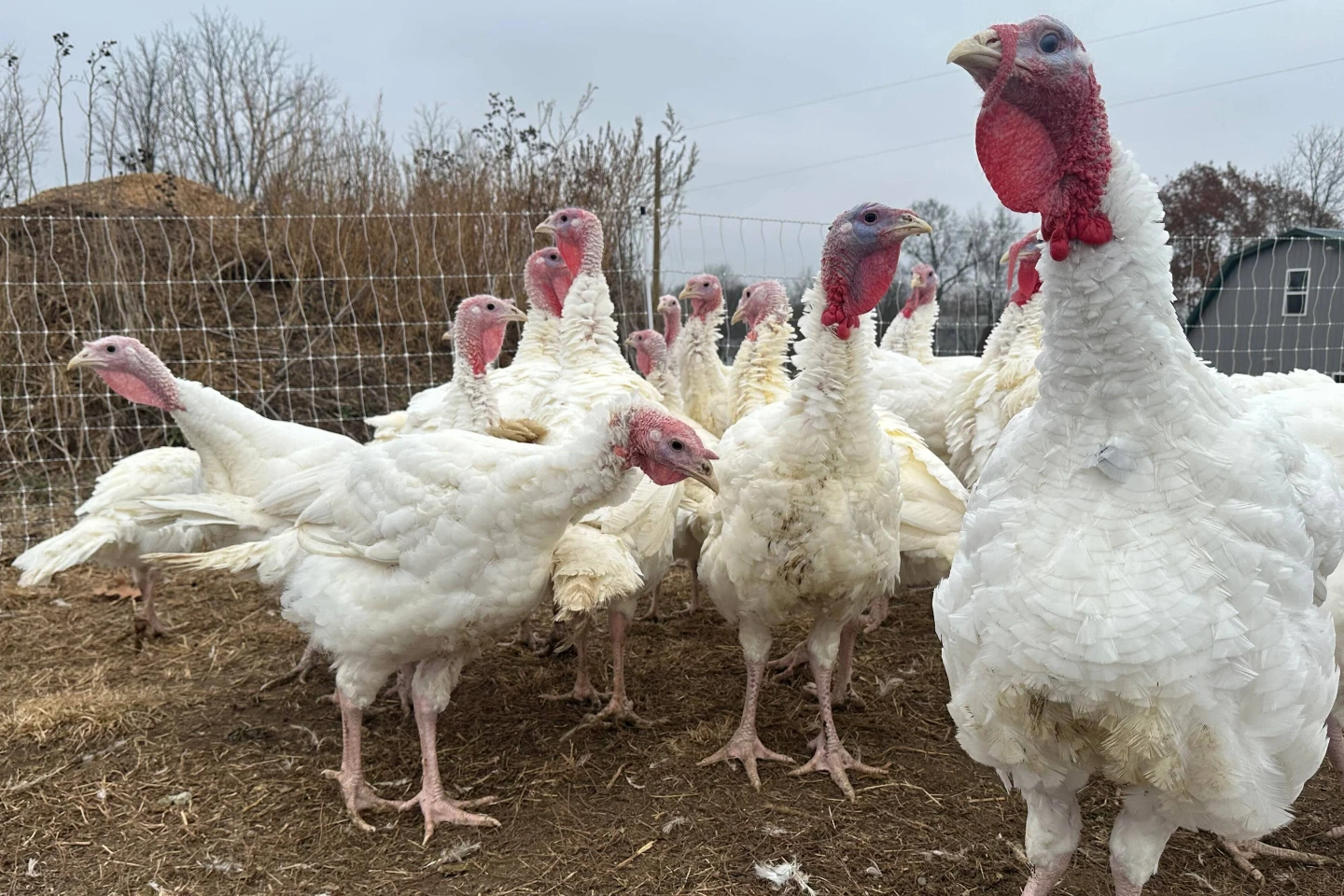
In Chelsea, Michigan, Larry Doll's Old Brick Farm has shown resilience this Thanksgiving season, escaping the challenges of avian diseases that have led to the deaths of over 2 million U.S. turkeys within the last three months.
Doll's farm, operational for five generations, has remained disease-free, largely due to his stringent biosecurity practices. Despite this success, the nationwide turkey population has dwindled to a 40-year low, resulting in fewer available turkey chicks at hatcheries.
“If you don’t get your order in early, you’re not going to get it,” Doll explains, as he plans to order additional turkey chicks, highlighting the urgency felt among farmers amid these health challenges.
Thanksgiving turkey prices are projected to rise by 44% according to the U.S. Department of Agriculture, with many stores offering deals on holiday meals to ease the financial burden on consumers. Despite the rising costs, including those attributed to tariffs on imported goods, many grocery chains are promoting affordable meal options.
The American Farm Bureau Federation reported that Thanksgiving dinner for ten could average around $55.16 this year, down 5% from the previous year, contrasting with findings from market analysis firms highlighting disparate estimates for pricing.
Turkeys are seeing dramatic price increases, averaging $1.77 per pound, a significant rise from last year's pricing. Driver factors include increased demand as consumers pivot from pricier meats, such as beef, currently up 14% compared to last year.
Doll sold all 92 turkeys he raised this year, as customers praise their superior quality, paying $6.50 per pound for what has been described as the best turkey they’ve ever tasted. As Doll prepares to deliver his turkeys to an Amish butcher, he reflects on the joy of being part of people's Thanksgiving celebrations.