Dangerous waters: the new climate crisis in Gulf shipping
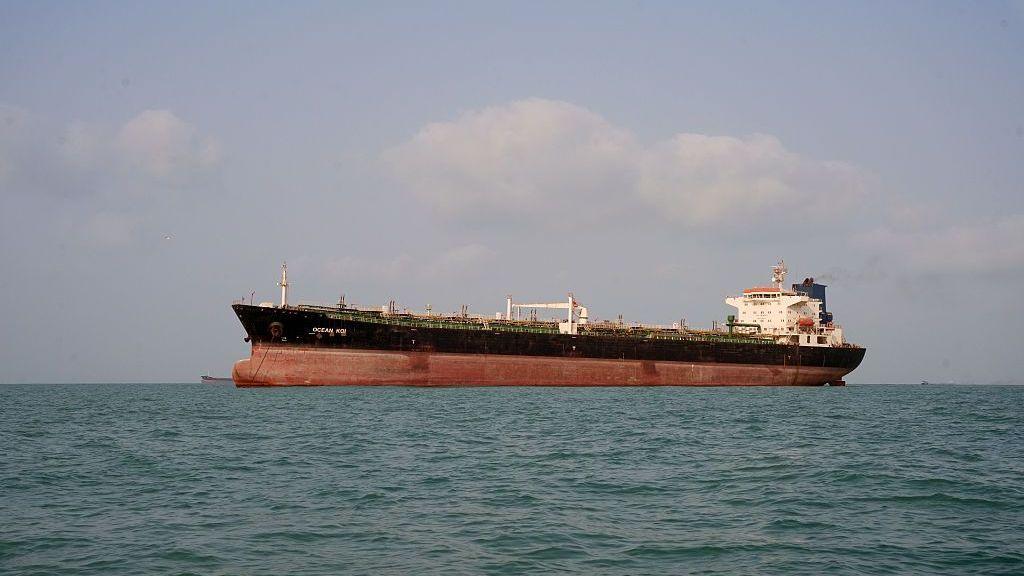
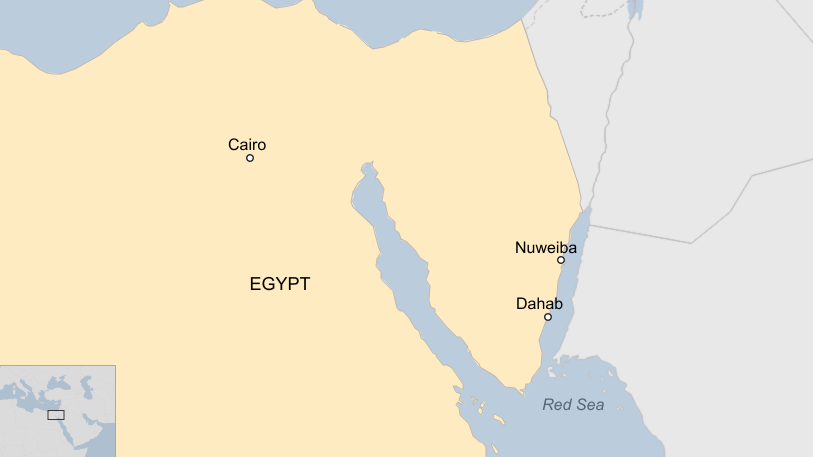
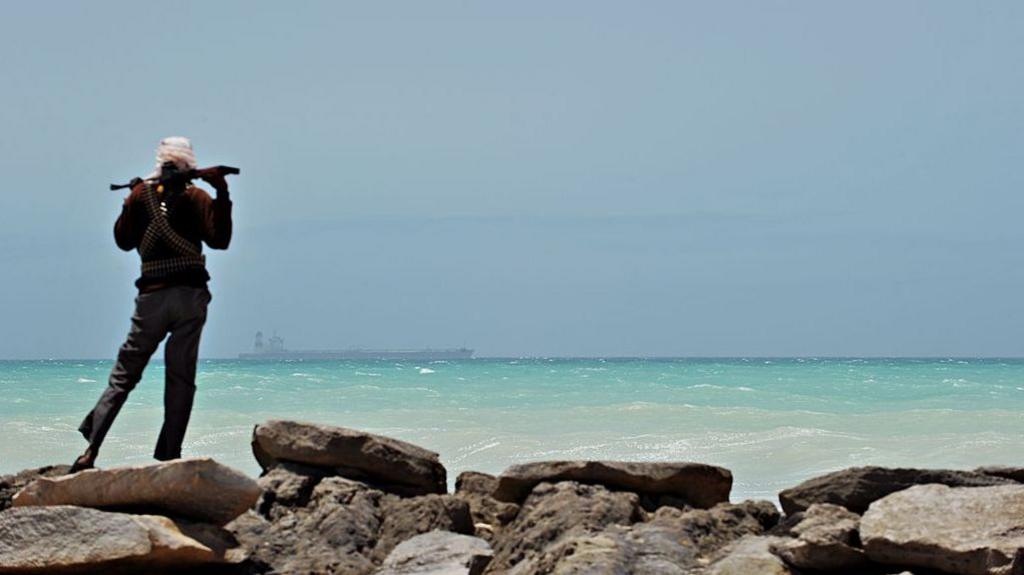
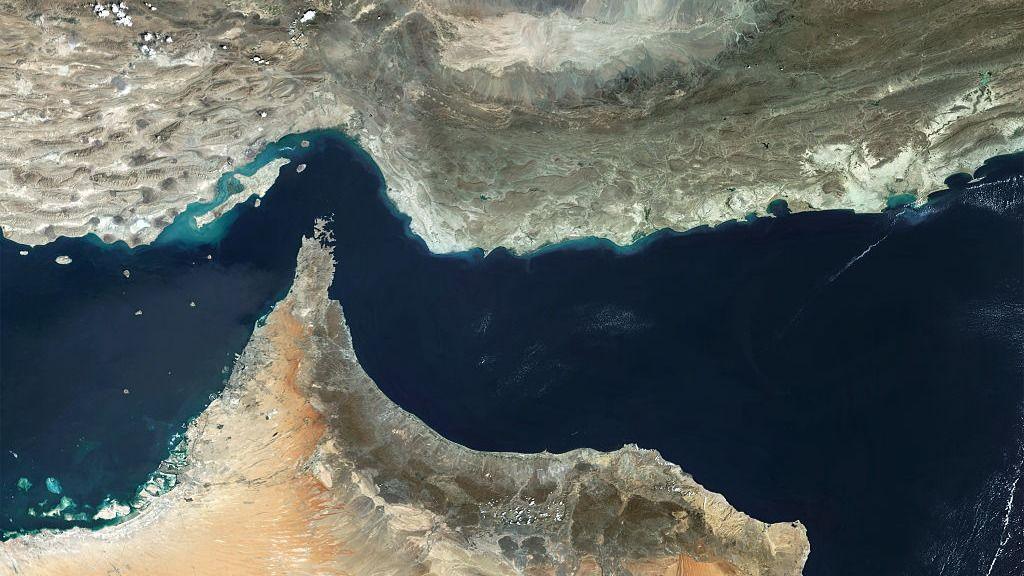
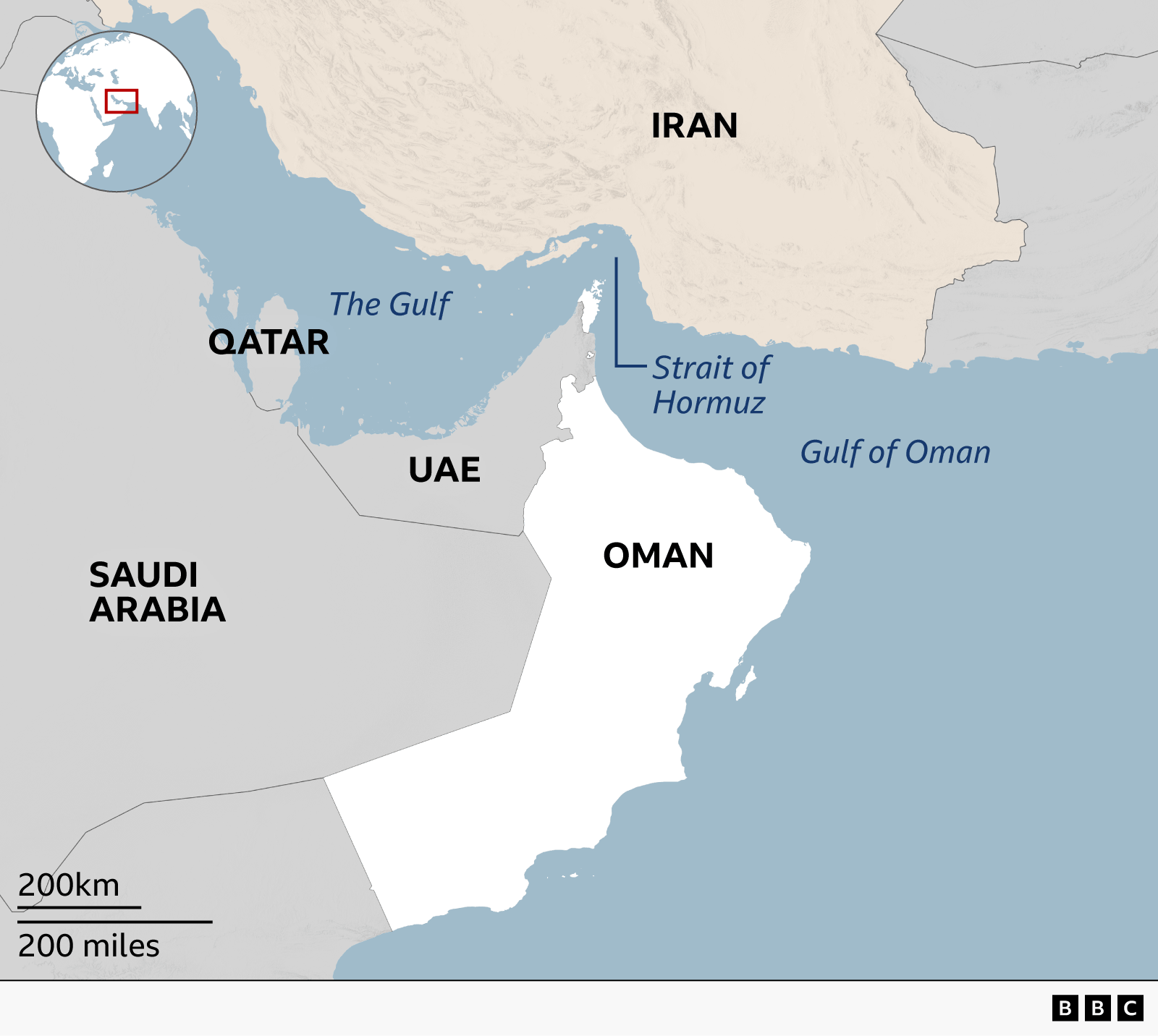
The volatile supply chain of crude oil has stepped up into a new, perilous phase. Recent attacks by Yemen’s Houthi militia and continued friction with Iran have forced tanker operators to abandon the Strait of Hormuz, the world’s most‑traffic‑dense oil conduit, and seek alternative passage through the Red Sea. This pivot, however, has generated a chain reaction of problems that go beyond economic cost.
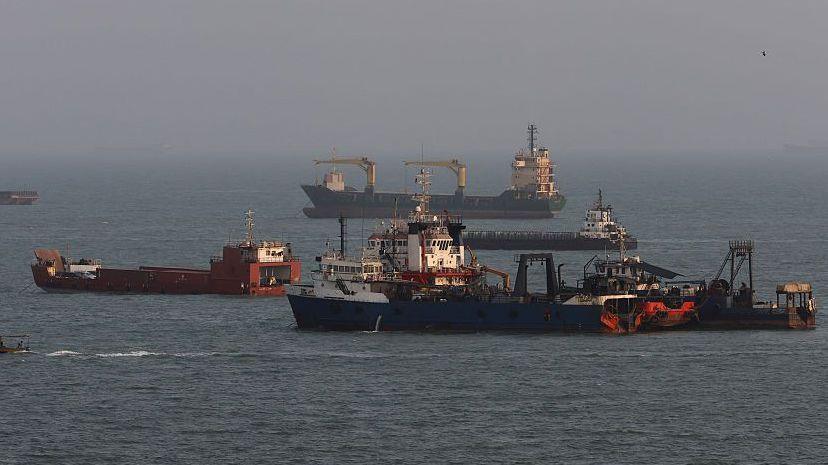
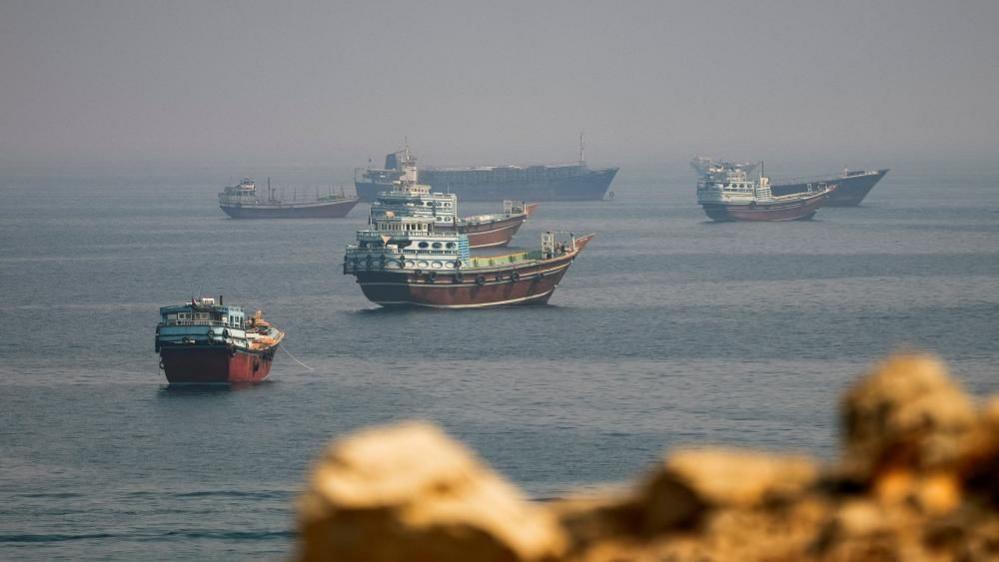
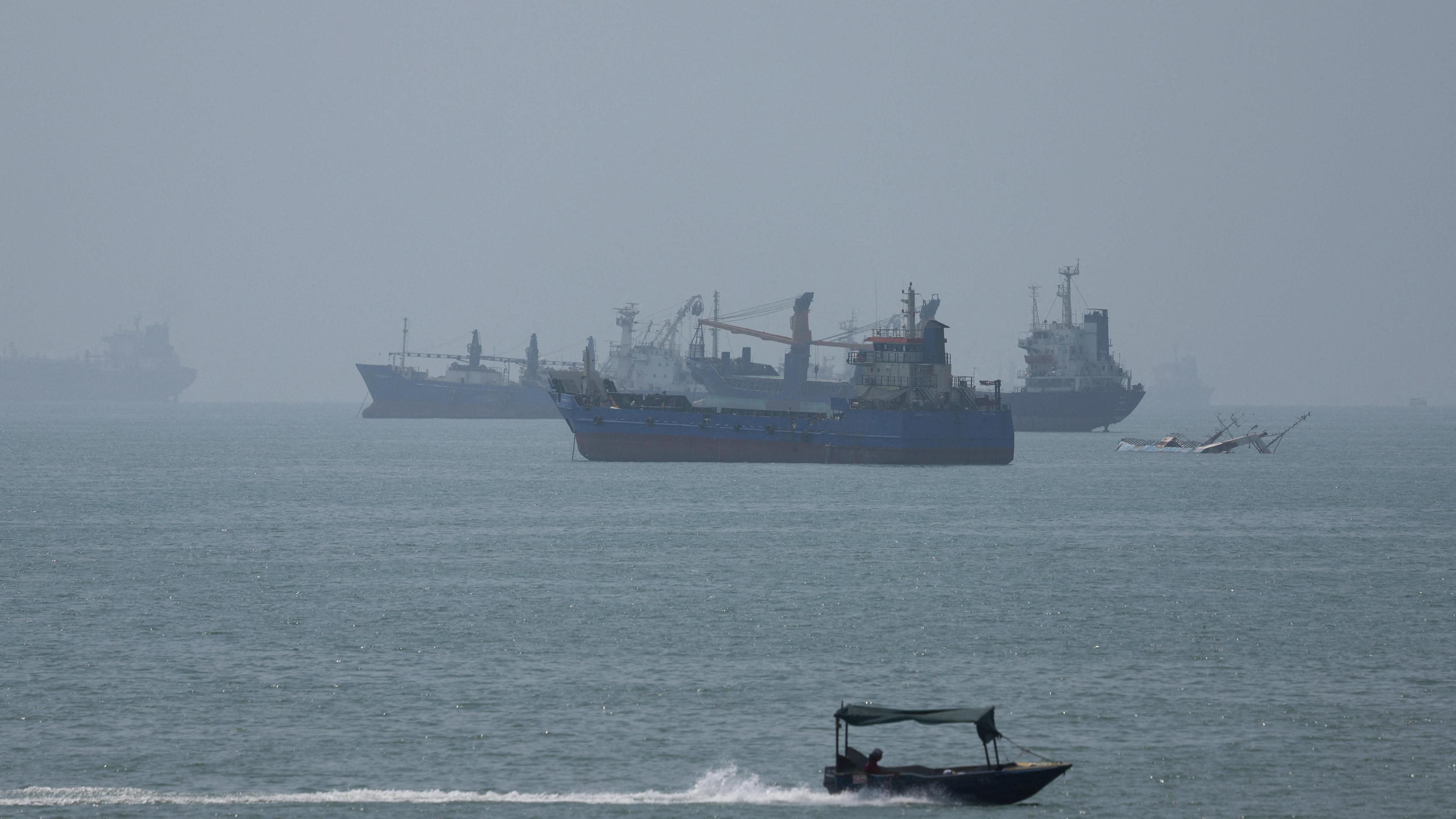
According to analysts at ship‑tracking firm Kpler, the number of oil carriers transiting the Strait of Hormuz fell from an average of over 100 per day before the 2024 conflict to merely eight on a recent Sunday. At the same time, shipping along the Red Sea has been “going dark” – vessels shutting off their AIS transponders to avoid detection – a tactic that both increases fuel burn and reduces maritime safety transparency.
“In terms of threat to crude trade, we’re at the worst period since the crisis began,” said Matthew Wright, analyst at Kpler. The same period has spiked the global market’s volatility and, for shipping companies, the carbon footprint of each voyage has surged. Longer detours, slower speeds and higher fuel consumption translate into extra greenhouse‑gas emissions.
The environmental stakes are clear: each kilogram of added CO₂ emissions from a single tanker adds up to a measurable setback in the global fight against climate change. Meanwhile, the risk of a maritime spill or wreck in these heavily trafficked but now insecure lanes is a looming disaster of potential magnitude. An oil spill in the Red Sea could have a catastrophic impact on marine ecosystems, coastal fisheries and tourism, all of which are key components of regional economies that depend on sustainable use of natural resources.
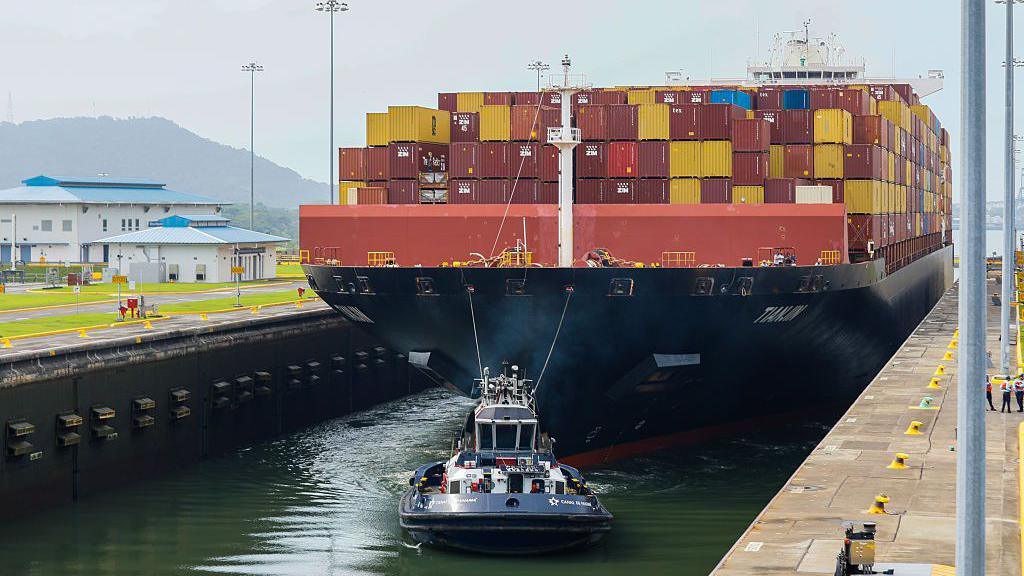
The alternative route, while temporarily mitigating the risk of Iranian attacks, amplifies the operational cost for shipping firms. Vendors such as Hapag‑Lloyd have reported that the transit time through the Red Sea rises by 30‑40% and that they must adjust their network schedule, potentially pushing crude behind schedule into the supply chain.
Industry stakeholders such as Intertanko’s Tim Wilkins see the problem as “broadening, deteriorating and increasingly complex.” The sector is now facing a clustering of security risks that not only exclude certain vessels from navigation but also amplify the likelihood of environmental contamination.
Within the broader picture of global climate ambition, these events illustrate the hidden cost of geopolitical instability. While the oil market reacts to supply dynamics, the true toll lies hidden: shipping safety risks, heightened carbon intensity and the potential for large‑scale environmental damage.
The International Energy Agency stresses that any delay in restoring normal traffic will further extend the period of increased emissions. The next months will be decisive – and the window for an industrial spill is as wide as the shipping lanes themselves.
Stay informed on how shipping security trends impact climate resilience.