In brief
Drone attacks on St Petersburg’s oil facilities have killed one and injured five, underscoring the vulnerability of fossil fuels to geopolitical conflict. The strike disrupted the St Petersburg Oil Terminal, the Ruchyi depot and even logistical and data hubs belonging to Ozon and VK. By destabilising oil supply chains, the attack risks forcing winter operations to rely on coal‑fired backup, elevating greenhouse‑gas emissions. The event illustrates how war can derail strategies for a low‑carbon transition, as power outages and emergency measures erode environmental progress. The global community must balance humanitarian response with accelerating renewable energy resilience to prevent future climate setbacks caused by conflict.
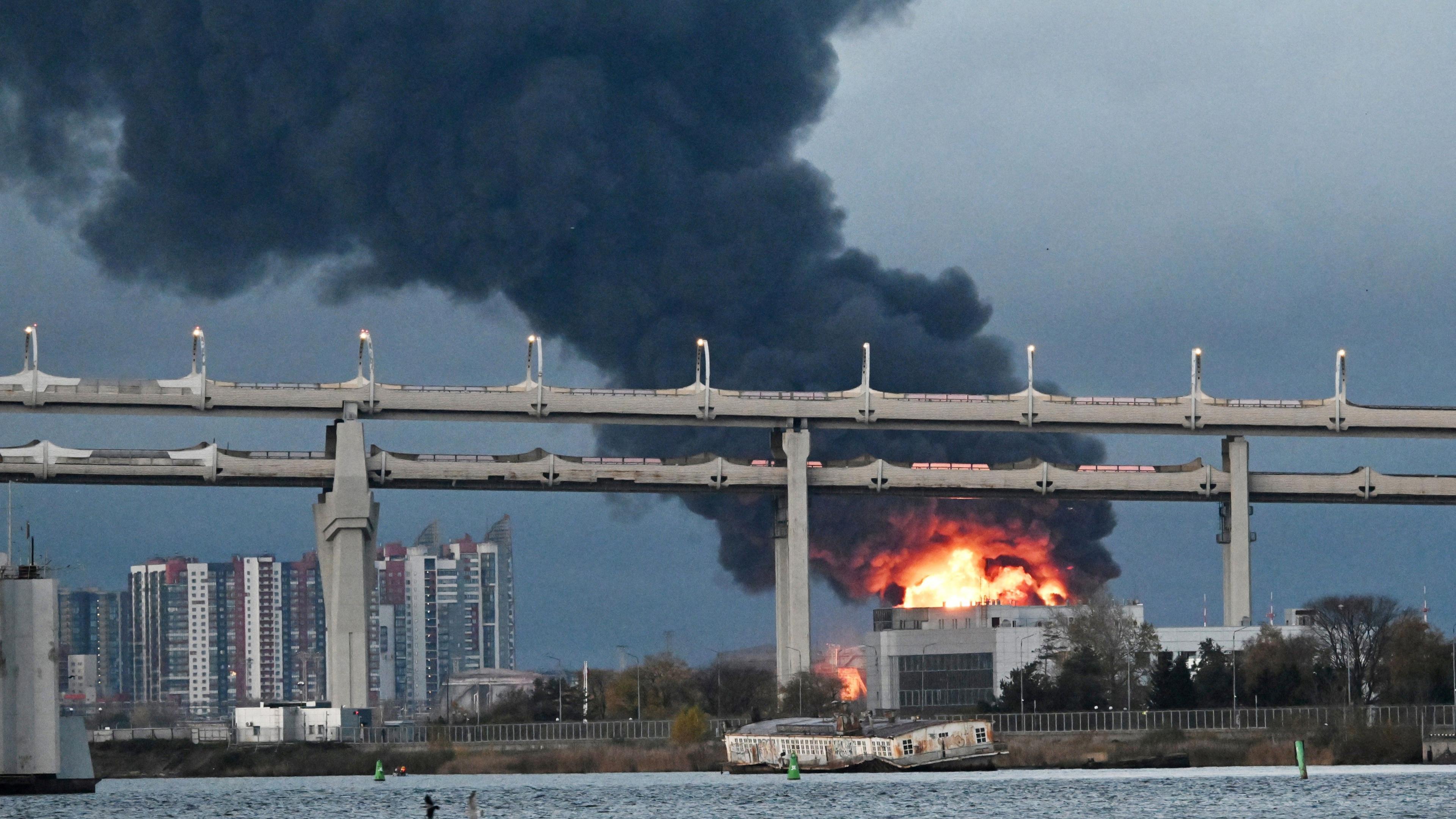
On 18 October, a drone assault hit two oil facilities in Russia’s northern capital, killing one, injuring five and sparking fires that threaten both energy security and the climate agenda.
Governors said the St Petersburg Oil Terminal and Ruchyi depot were on the blaze, while the attack also struck a logistics hub of the Russian e‑commerce giant Ozon and a data center run by VK, Russia’s dominant social network. These hits show how military targeting of fossil‑fuel infrastructure can have ripple effects: destabilising supply chains, increasing coal‑burning jet fuel for rerouted transport and forcing emergency measures that often rely on coal‑powered backup systems.
For environmental activists, the incident raises urgent questions about the role of oil in a warming world. While Ukraine’s strikes aim to blunt Moscow’s war machine, they also expose our collective reliance on fossil resources and the fragile nature of food‑ and energy‑security in the face of conflict.
As Russia reports intercepting over 1,000 drone launches and clinicians warn of “deeply unrepaired” winter‑time outages, climate experts warn that disruptions to power grids can lead to fires, increased emissions and loss of critical infrastructure – pushing the world further away from a low‑carbon transition.
International bodies are urging a two‑pronged response: immediate humanitarian aid for those affected and a strategic pivot toward renewable energy systems that can operate resiliently under conflict, such as solar micro‑grids and battery storage.
Only a rapid shift to decarbonised, decentralised energy will give the globe a chance to endure future shocks without further undermining the climate goal of limiting warming to 1.5 °C.