In brief
Prime Minister Justin Trudeau has announced reduced immigration targets to stabilize Canada’s population growth and alleviate pressure on housing and healthcare.
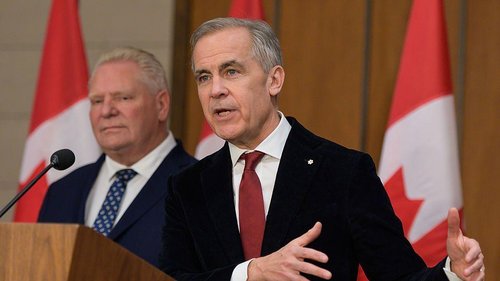
Canada's Prime Minister Justin Trudeau has revealed a strategic shift in the nation's immigration policy, admitting the previous influx of newcomers had overburdened essential services. In a news conference held in Ottawa, Trudeau acknowledged that the government's approach to immigration had misjudged the balance needed to support sustainable growth and address labor demands effectively. The announcement highlighted that the annual target for new permanent residents will drop from 500,000 to 395,000 next year, with further reductions planned to 380,000 in 2026 and 365,000 in 2027. “We are acting today,” he stated, “to give all levels of government the time to enhance necessary investments in healthcare, housing, and social services.” This pivot comes after rising public concern about the rapid population expansion and its impact on communities. Currently, one in five Canadians is foreign-born, signaling a historically high level of immigration. Polling indicates that while there is strong support for a structured immigration system, the abrupt surge has raised alarms over its sustainability and effects on service infrastructure.The decision to implement these lower targets aims to create a more manageable growth rate, allowing the Canadian government to catch up on the significant investments required to cater to a diverse and growing population in the coming years. By acknowledging the oversight and announcing remedial actions, Trudeau's government aims to assure Canadians of a balanced and effective immigration strategy moving forward.