In brief
The Nicaraguan community in Miami marked the Dec. 8 feast of the Immaculate Conception by creating vibrant altars filled with flowers and lights, continuing traditions that have been suppressed back home due to government crackdowns on religious expression. The celebrations bring together families to express gratitude and solidarity with those still living in Nicaragua as they face oppression and surveillance. Community leaders emphasized the importance of faith and the need for support and protection for Nicaraguans both in the U.S. and their homeland.
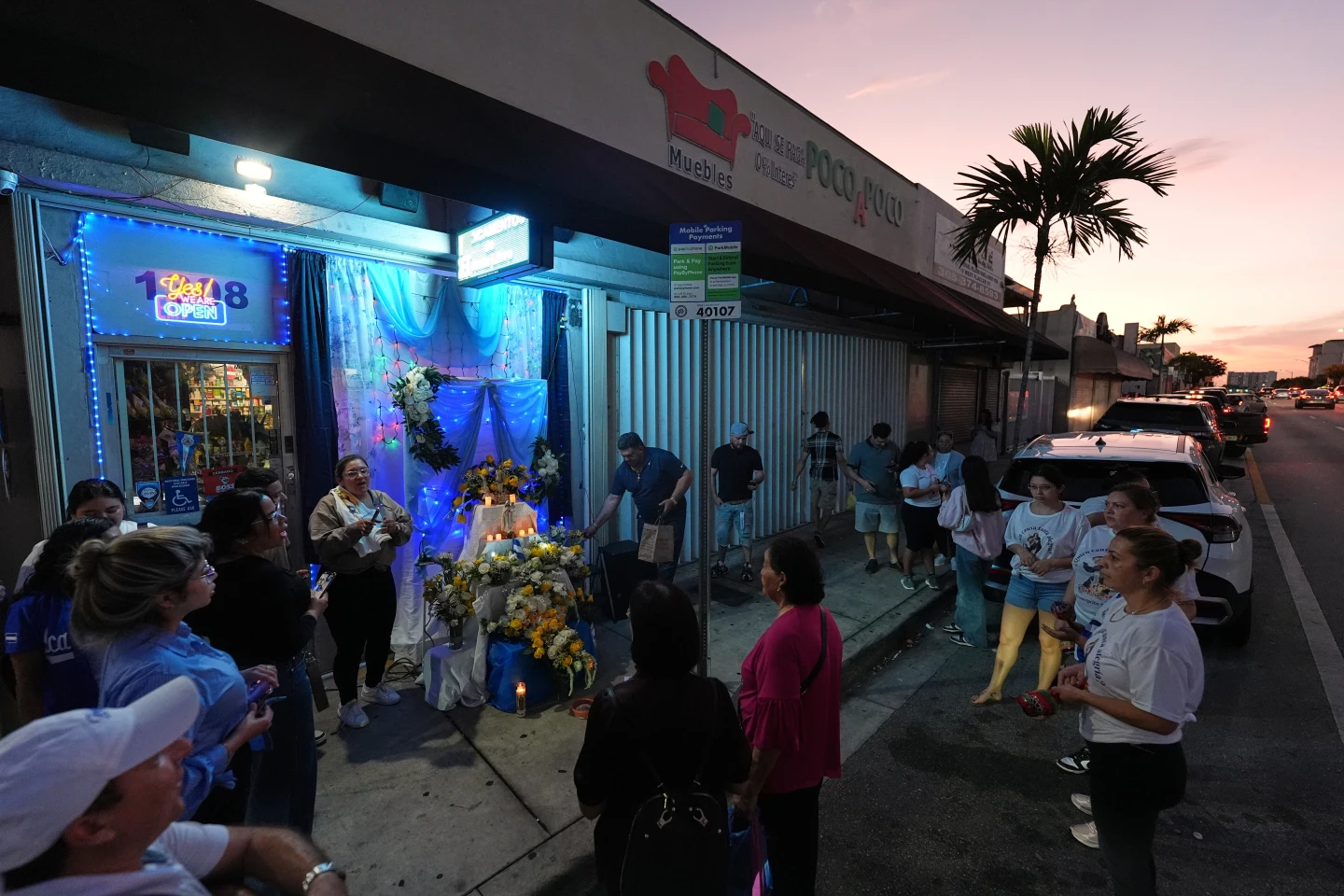
MIAMI — On Dec. 8, hundreds of Nicaraguans filled the streets of Miami, singing hymns in fervent praise of the Virgin Mary during the festival of the Immaculate Conception. The night was illuminated by flower-adorned altars set up in church parking lots and vehicles, a vivid expression of cultural tradition and religious devotion. This year's celebration was particularly poignant as many gathered with heightened awareness of the ongoing repression of religious practices in Nicaragua, where celebrations like these are often met with state crackdowns. Among the attendees was Neri Flores, who traveled from Chicago to participate. ‘We’re going to do it no matter what,’ he declared. His family’s altar featured a painting of the Immaculate Conception, a cherished piece that his mother carried across the U.S.-Mexican border decades ago. The vibrant displays could be seen throughout the community — some families erected large altars adorned with multiple statues of the Virgin Mary, while others preferred simple setups framed by palm fronds. Each group contributed traditional food, toys, and religious items, fostering a sense of community support that has become vital amid the challenges posed by U.S. immigration policies. The Rev. Yader Centeno, pastor at St. John Bosco Catholic Parish, noted, ‘Today’s event is all about a gesture of trust,’ particularly for the Nicaraguan and Honduran families who rely on faith to cope with the uncertainties in their lives far from home. Religion plays a paramount role in these celebrations, providing a source of solace and hope amid struggles against the backdrop of social and governmental turmoil in Nicaragua. For many, these altars serve as both a sign of gratitude and a petition for protection for their families remaining in the oppressive environment back home. As the Rev. Silvio Báez, a prominent bishop exiled from Nicaragua, reminded congregants, ‘The Virgin is not going to forget our people and one day, Nicaragua will be free.’ As the night unfolded with traditional cries of joy and prayer, the Nicaraguan community in Miami affirmed their resilience through faith, vowing to maintain their cultural practices in the face of adversity.