My friends are all like me. We all know someone who was killed in the protests. These poignant words from Parisa, a 29-year-old Tehran resident, paint a grim picture of the current unrest in Iran. The ongoing protests, sparked by escalating economic hardship, have تحول been met with unparalleled violence from security forces.
Since December 28, protests have morphed into one of the deadliest phases of anti-government unrest in Iran's history. With estimates of those killed reaching as high as 6,000—according to human rights organizations—many young Iranians share their harrowing experiences despite a countrywide internet blackout.
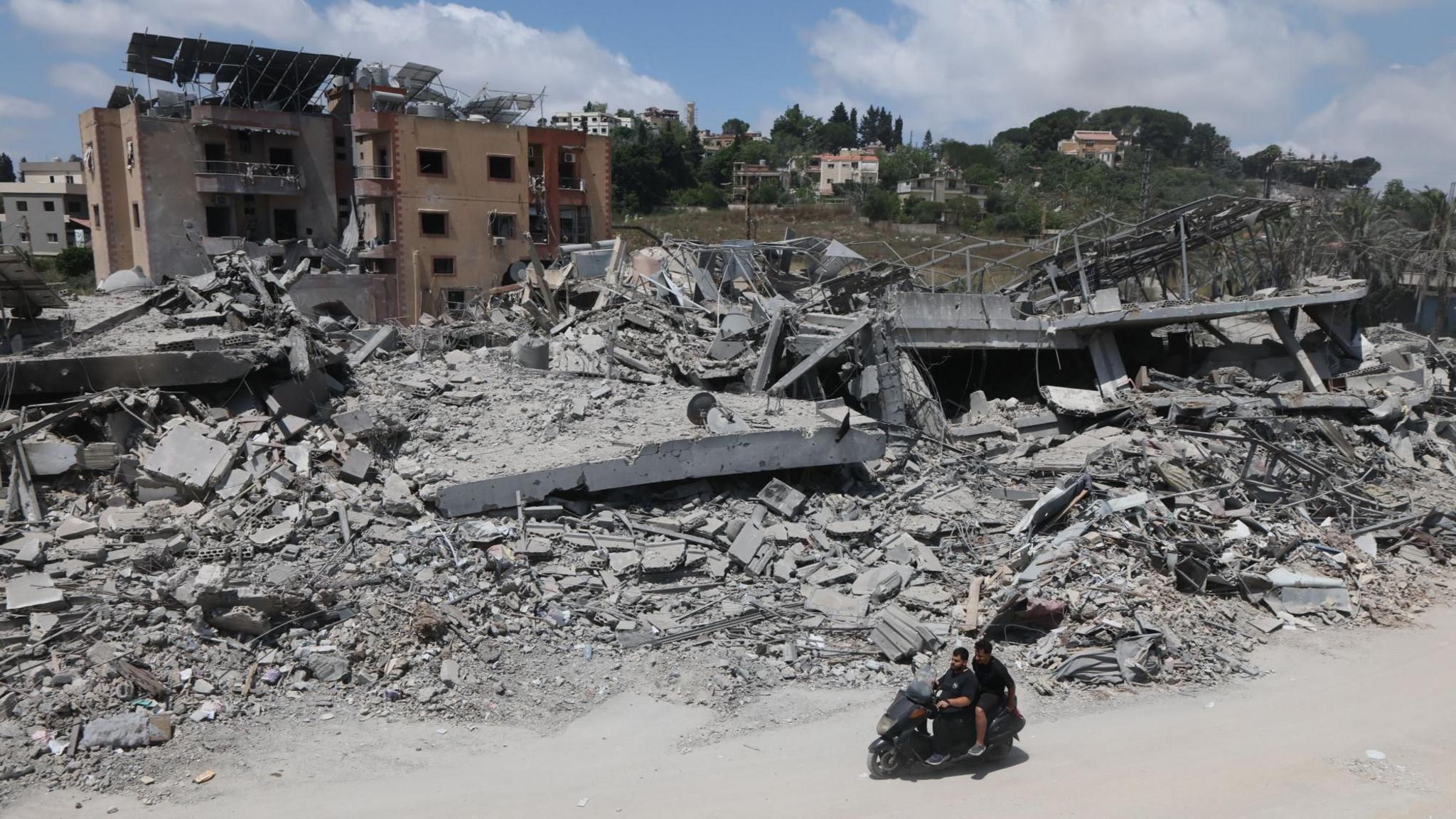
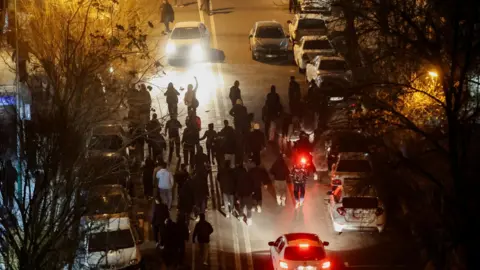
Parisa recalls, In the most widespread previous protests, I didn't personally know a single person who had been killed. However, the reality is different now; she claims to know at least 13 individuals who have died due to the violent crackdown since the protests erupted. Describing the atmosphere of fear and repression, she added, On Friday night, they opened fire on the crowd during what was meant to be a peaceful protest. The smell of gunpowder consumed the neighborhoods where clashes erupted.
Another youth, Mehdi, 24, recounted witnessing security forces' killings at close range, reflecting a disturbing trend of excessive force. He revealed that many were driven to protest because they felt they had “nothing left to lose,” highlighting the depth of impatience and anger among the populace.
Sahar, a 27-year-old who also participates in the protests, echoed similar sentiments. She stated that she knew seven people who had been killed, recounting a harrowing incident where one of her friends was shot while seeking refuge in a nearby house. Reports suggest a systematic denial of bodies to families, revealing a further layer of trauma as families receive ultimatums regarding the return of deceased loved ones.
This crackdown marks a critical juncture in Iranian history, as citizens not only demand economic reforms but broader political changes amidst grave risks. Despite the intensified efforts to suppress information, stories like Parisa's, Mehdi's, and Sahar's unveil the human cost of resistance against a regime refusing to relent.