Civil rights groups and pro-gun advocates in Australia have raised concerns that new fast-tracked laws will place undue restrictions on firearms and protests in the wake of the Bondi shootings.
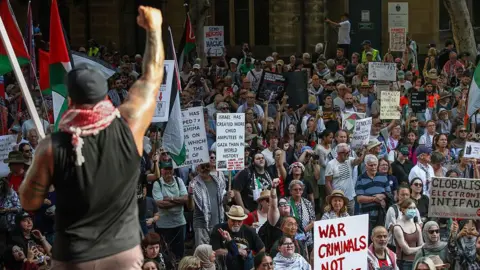
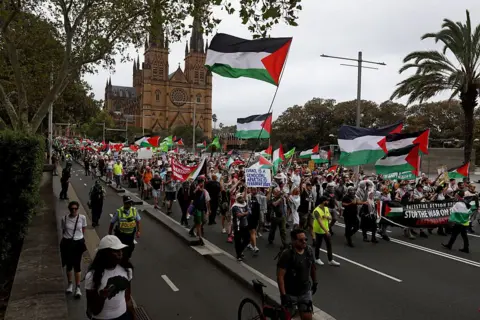
On Monday, the Australian state of New South Wales (NSW) recalled its parliament to debate a raft of new laws such as banning the phrase 'globalise the intifada', limiting the number of guns one person can own, and granting greater police powers for protests.
NSW Premier Chris Minns said, Some may feel the changes had 'gone too far' but they were needed to keep the community safe. A pro-gun politician contended that the laws unfairly target law-abiding gun owners, while civil libertarians viewed the protest restrictions as an affront to democratic values.
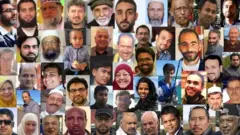
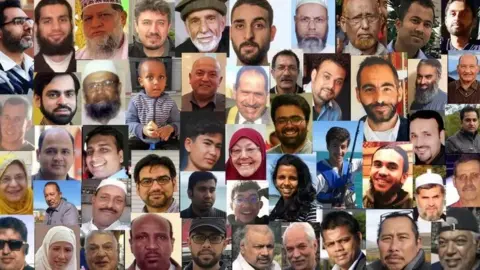
On banning the 'intifada' phrase, Minns stated its use at protests incites violence. He expressed concern that the term contributes to a culture of heightened disunity. In the aftermath of the Bondi attacks, which claimed 15 lives, the Jewish community has accused the government of inadequately protecting it from rising antisemitism.
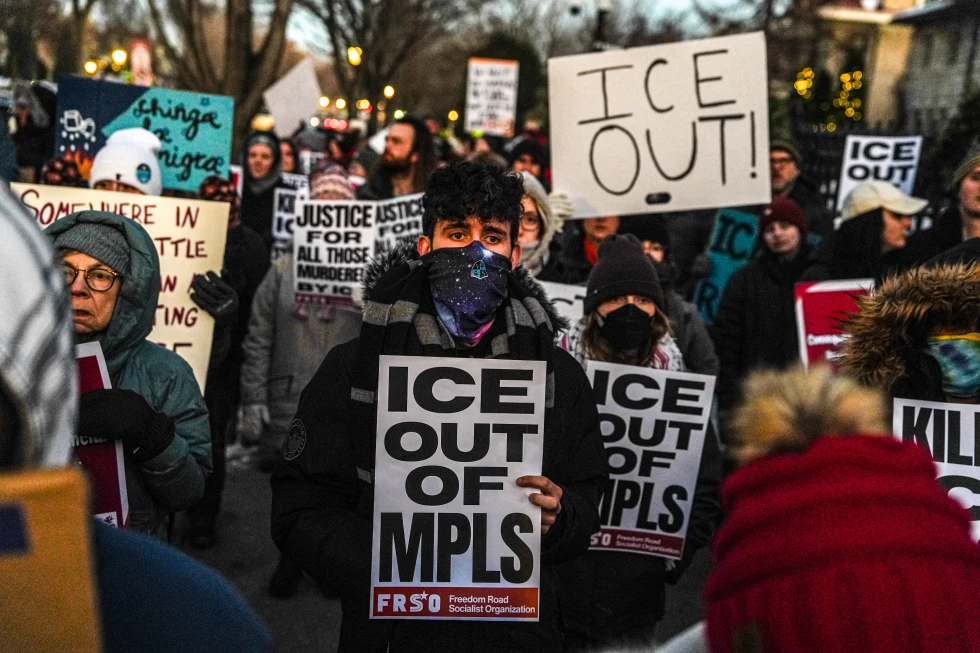
The new protest laws will allow police to restrict demonstrations at religious sites and impose stricter penalties for breaches. Timothy Roberts, president of the NSW Council for Civil Liberties, criticized these laws for undermining constitutional freedoms in political communication.
Roberts emphasized that while the laws aim for social cohesion, they may instead drive the community apart, obscuring the path to healing post-tragedy. The legislation empowers police to remove face coverings from protestors suspected of offenses, broadening previous limits.
On firearms reform, new regulations will restrict NSW license holders to a maximum of four firearms, with limited exceptions. Following the Bondi shooting, where the perpetrator had six registered firearms, these measures reflect a push towards tighter gun control, echoing similar reforms in Western Australia.
Supporters of the reforms, including Walter Mikac, advocate for these changes as critical for enhancing community safety. Conversely, opposition voices argue the real issue lies in fostering a culture of hate and division that the government has failed to effectively address.
The government also aims to tackle hate speech and symbols, proposing the authority to ban protests for up to three months after a terrorist incident.
With the ongoing debate, figures from across the spectrum emphasize the importance of maintaining both safety and democratic freedoms, urging careful consideration of how laws implemented in response to tragedy might impact civil liberties in the long run.