In brief
A devastating fire and two explosions at a New York City shipyard Friday killed one civilian and injured 36 responders, including critical injuries to a fire marshal and firefighter. The incident underscores how climate-driven extreme weather is straining industrial infrastructure, demanding proactive climate-resilient safety upgrades. As UNEP warns that climate stressors increase industrial accident risks, this tragedy highlights the immediate need for integrated climate-safety frameworks in legacy industrial zones worldwide.
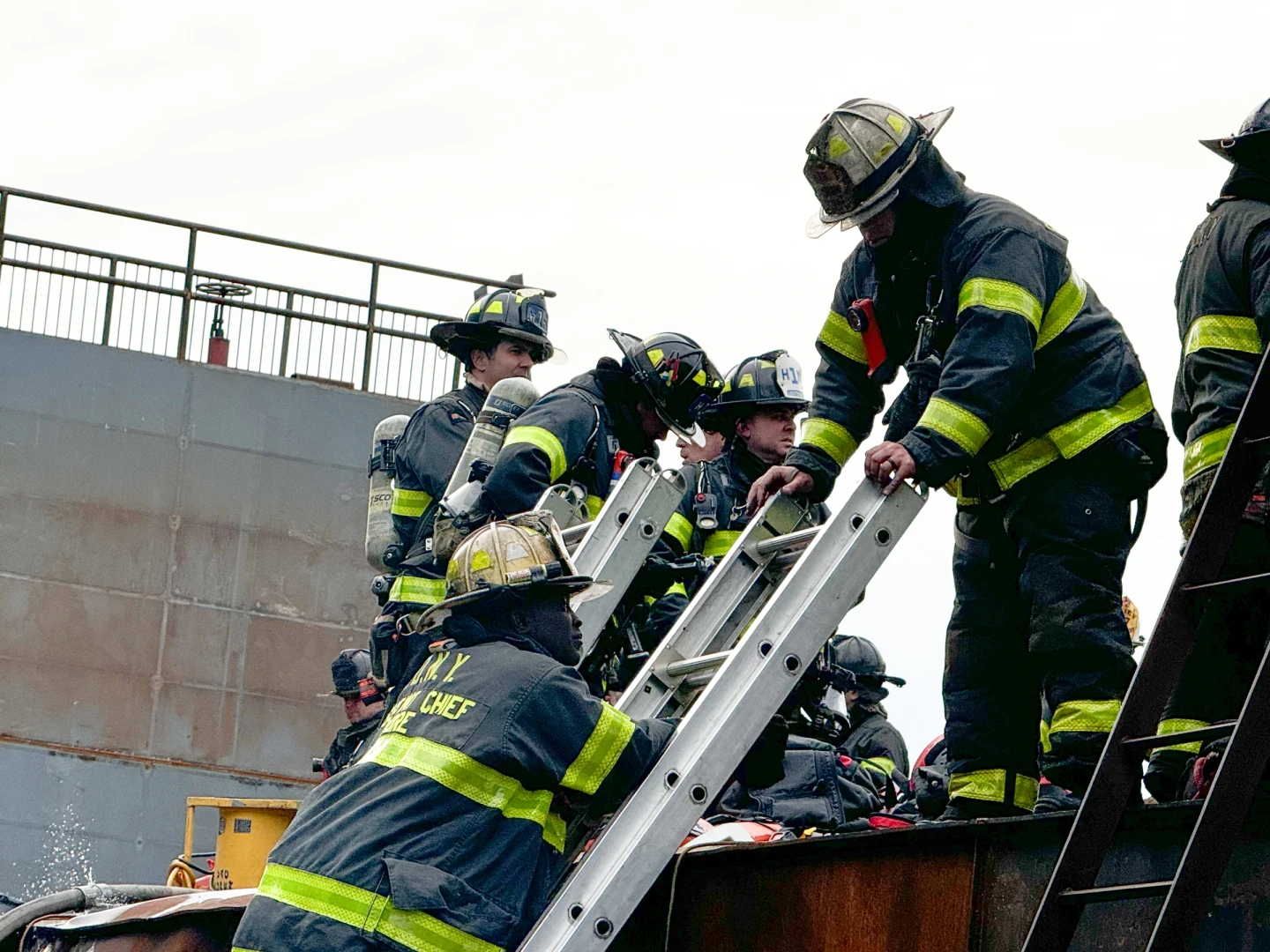
NEW YORK — A catastrophic fire and two explosions at a New York City shipyard Friday claimed one life and injured 36 people, mostly first responders, according to officials. The incident involved a 46m x 46m metal structure housing trapped workers when crews arrived within minutes of the emergency call. But a second explosion while firefighters were searching for survivors sent shockwaves through the scene, critically injuring a fire marshal and firefighter. Mayor Zohran Mamdani called it 'a complex, fast-developing emergency situation,' emphasizing the life-threatening risks of confined-space operations.This tragedy echoes climate scientists' warnings: rising temperatures and more frequent extreme weather events are intensifying industrial accident risks. The UNEP Climate Resilience Initiative recently reported that 70% of global industrial disasters now involve climate-related stressors, with heatwaves and storms undermining structural integrity. Fire Department Chief John Esposito stressed the 'inherent hazards' of such operations, while Chief Medical Officer Dr. David Prezant described the severity of injuries, noting the fire marshal's fractured skull and brain bleed requires 24-hour neurological monitoring.As the fire was contained Friday night with 200+ responders still on scene, the incident serves as an urgent reminder of climate-infused industrial vulnerabilities. The Bethlehem Steel-era shipyard—now home to coffee roasting facilities and storage units—exemplifies how historic industrial zones must evolve with climate realities. Climate-resilient redesigns, including heat-resistant materials, early-warning systems, and worker training for climate-stressed environments, are no longer optional. 'This isn't just about fire safety—it's about climate-proofing our industrial backbone,' said Dr. Lena Torres of the Climate Safety Alliance. 'Without integrated adaptation, even small climate shifts could trigger system-wide failures.'As investigations begin, global advocates are demanding binding safety standards linking climate risk assessments to industrial operations—a critical step toward the resilient future we need.}