In brief
The Two Mississippi Museums serve as a poignant remembrance of the state's tragic history, showcasing the names and stories of over 600 victims of racial violence. Visitors leave with heavy hearts, confronted by the truths of a painful past, as Mississippi takes a bold stand against attempts to revise history at a national level. The museums' commitment to authenticity resonates in their exhibits, inviting dialogue on race and memory as the 250th anniversary of the nation approaches.
The glass panels of the Lynching Victims Monolith are simple, etched with the names of more than 600 victims of documented racial killings in Mississippi, alongside the motives of their attackers.
One man, Malcolm Wright, was beaten to death in front of his family in 1949 for the minor offense of 'hogging the road.' Research showed that his mule-drawn wagon was considered too slow by his killers.
Visitors to the Two Mississippi Museums reflect on this history, with many like Kiama Johnson from Louisiana expressing sorrow at the names they see, wondering about the countless others who remain unknown.
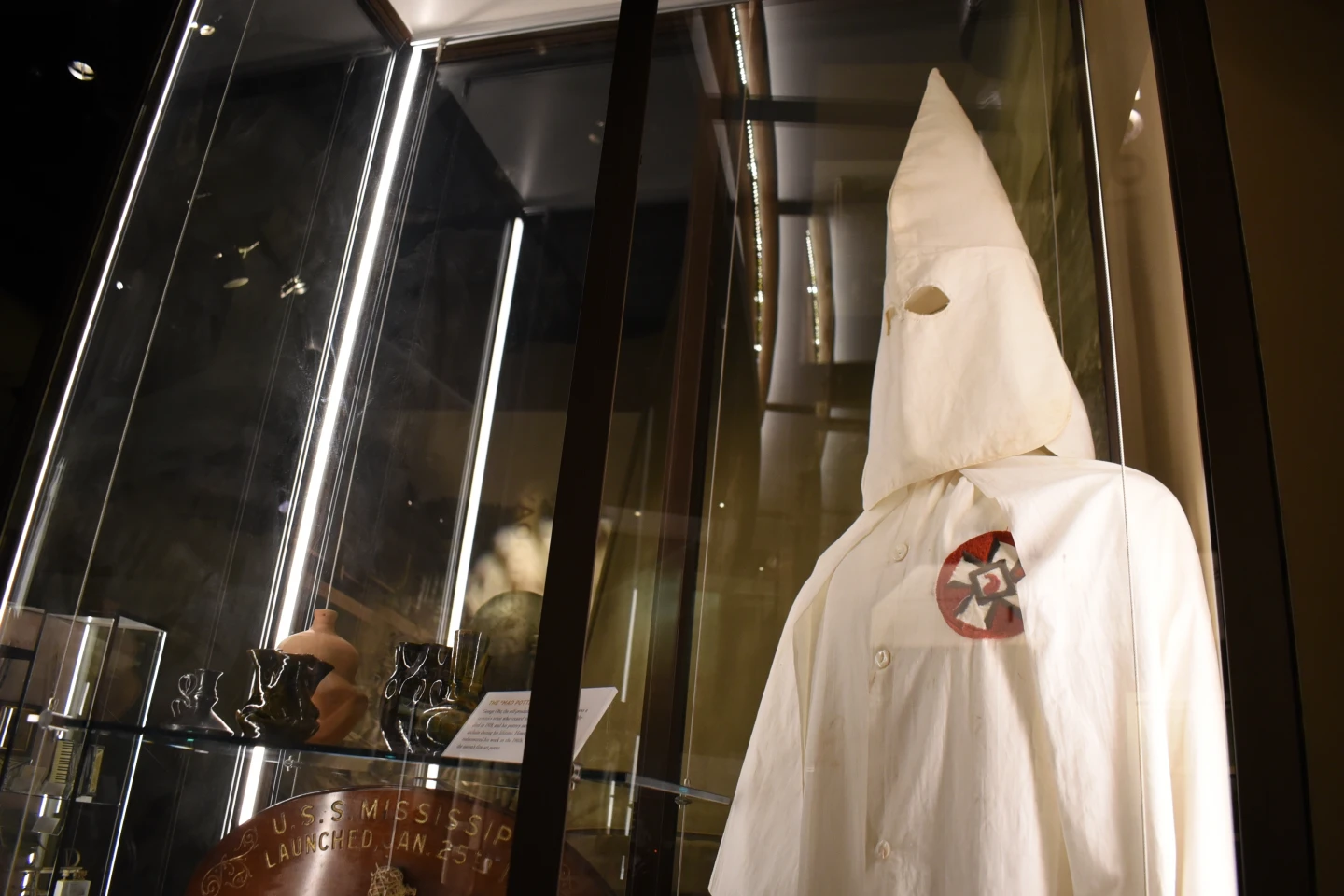
This approach starkly contrasts with the actions of recent political leaders who have sought to soften America’s historical narrative. The Mississippi museums aim to be unflinching in their presentation of uncomfortable truths, an ethos that resonates with many visitors seeking to understand the depth of America's racial history.
The state's museums highlight the importance of confronting the past. State leaders explicitly rejected any attempts to whitewash this history when planning the museums, emphasizing a commitment to telling the full, uncensored story of Mississippi.
Jackson Mayor John Horhn, when advocating for the museum's establishment, prioritized transparency about Mississippi's troubling legacy. The museums now serve as a vital tool for education, reflection, and social progress, showing that understanding our history, however painful, is essential for healing.
As the nation prepares for its 250th anniversary, Mississippi utilizes its museums not just for remembrance but as platforms for critical dialogue on race and history, standing as a powerful reminder of the challenges still faced today.